
Fertilization
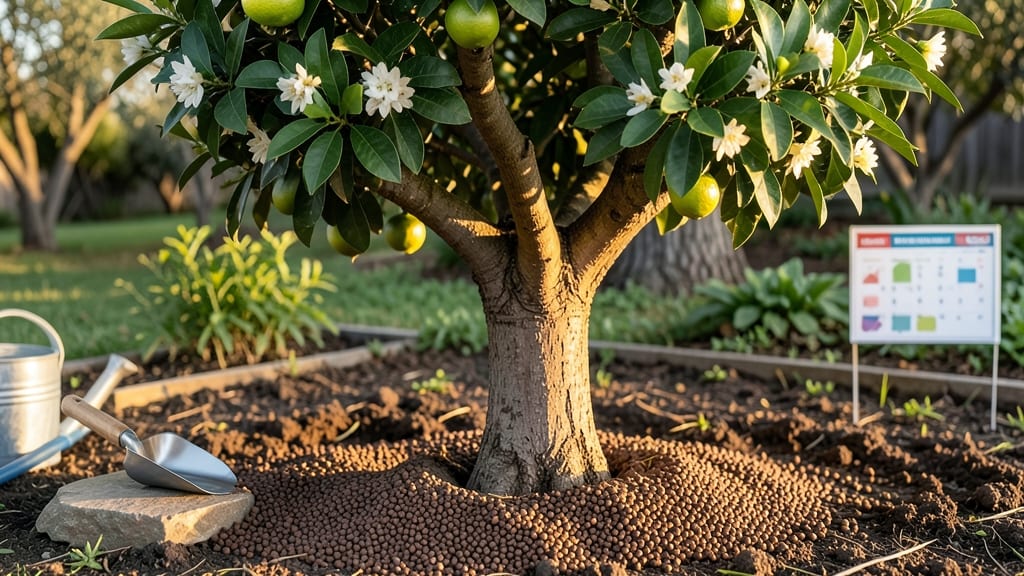
You should fertilize fruit trees in early spring and mid-summer to fuel growth and fruit production, aligning with their natural cycles.
Picture this: your 🌳 thrives in March with vibrant new leaves, only to wilt by summer because you missed the second feeding window. That’s how critical timing is—one misstep can turn a bountiful harvest into a disappointment.
Below, I’ll break down the science behind seasonal fertilization, from soil temperature cues to the best organic and synthetic options for each stage. You’ll learn why fall and winter are off-limits, how to read your tree’s hunger signals, and the one fertilizer type that’s a game-changer for young trees.
Ready to grow fruit trees that bear heavy, healthy harvests? Let’s get into the schedule that works for Zone 6a and beyond.

Best times of year to fertilize fruit trees for maximum growth
Timing your fruit tree fertilization is just as important as choosing the right fertilizer. Applying nutrients at the wrong time can shock your tree, burn roots, or even attract pests.
The key is understanding your tree's natural growth cycles and aligning fertilization with those phases. Early spring, late spring, and fall are the three critical windows where fertilization will do the most good—each serving a different purpose in your tree's development.
Fruit trees go through distinct growth stages each year, and their nutrient needs shift dramatically. For example, a young apple tree in its first year needs different care than a mature peach tree in full production.
The root activity of your tree also plays a huge role—roots are most active when soil temperatures reach 50°F (10°C) or higher, which typically happens in spring and early fall.
Let's break down the science behind each fertilization window so you can give your trees exactly what they need, when they need it.
| Season | Key Growth Phase | Why Fertilize? | Best Fertilizer Type | Soil Temp Requirement |
|---|---|---|---|---|
| Early Spring | Bud Break & New Growth | Boosts root and leaf growth | Balanced NPK (10-10-10) or organic compost | Above 50°F (10°C) |
| Late Spring | Flowering & Fruit Set | Supports blossoms and early fruit | Higher phosphorus (5-10-10) | 55-65°F (13-18°C) |
| Fall | Root Development & Dormancy Prep | Strengthens roots for next year | Slow-release organic (e.g., compost) | Below 60°F (15°C) |
Let's start with the most critical window: early spring fertilization. This is when your fruit tree wakes up from dormancy and begins preparing for the growing season. The goal here is to provide a nutrient boost to support new leaf and root growth.
I recommend applying fertilizer when you see buds starting to swell but before the leaves fully emerge. This timing ensures your tree has the energy it needs to break dormancy smoothly.
For young trees, use a 6-6-6 fertilizer to encourage balanced growth, while mature trees benefit from a 10-10-10 blend.
If you're using organic fertilizers like compost or manure, apply them in early spring as well. Organic matter breaks down slowly, providing a steady release of nutrients.
Spread a 2-3 inch layer of compost around the drip line (the outer edge of the tree's canopy) and lightly mix it into the top 2-3 inches of soil. Avoid piling compost against the trunk, as this can cause rot or pest issues.
Water thoroughly after application to help nutrients penetrate the soil.
Moving into late spring, your focus shifts to supporting flowering and fruit development. This is when your tree needs a slightly different nutrient profile—one with more phosphorus to encourage blossoming and fruit set.
A 5-10-10 fertilizer is ideal here, as the higher phosphorus content promotes root growth and flowering. Apply this fertilizer about 6-8 weeks after the early spring feeding, or when you notice flowers beginning to form.
Avoid over-fertilizing at this stage, as excessive nitrogen can lead to leafy growth at the expense of fruit production.
For organic gardeners, consider using a fish emulsion or bone meal during late spring. These products are rich in phosphorus and will give your tree the extra push it needs for fruit set.
Just be sure to follow the package instructions for application rates, as organic fertilizers can be just as potent as synthetic ones if overused. Mulching with straw or wood chips around this time also helps retain moisture and regulate soil temperature, which is crucial for fruit development.
Now, let's talk about fall fertilization, which is often overlooked but equally important. While many gardeners stop fertilizing in fall, this is actually a great time to prepare your tree for the dormant season.
The goal here is to strengthen root systems so your tree can better withstand winter stresses. Apply a slow-release organic fertilizer or compost in late fall, about 6-8 weeks before your first expected frost. This gives the nutrients time to break down and be absorbed before the ground freezes.
Fall fertilization is particularly beneficial for young trees or those recovering from stress, such as drought or disease. A well-fed tree enters dormancy with more stored energy, which translates to faster growth and higher yields the following spring.
Avoid using high-nitrogen fertilizers in fall, as they can stimulate late-season growth that won't harden off properly before winter. Instead, opt for a balanced or potassium-rich fertilizer to support root health and cold hardiness.
One common question I get is whether to fertilize in summer. The short answer is usually no, unless your tree shows signs of nutrient deficiency. Summer is a time of rapid growth and fruit development, and your tree should have enough stored nutrients from spring and fall feedings.
Over-fertilizing in summer can lead to excessive leaf growth, which diverts energy away from fruit production and makes your tree more susceptible to pests and diseases.
If you do notice yellowing leaves or stunted growth in summer, a light application of nitrogen may help, but it's best to address the underlying issue first.
Finally, remember that soil testing is your best friend when it comes to fertilization timing and type. Conduct a soil test in early spring to determine your soil's pH and nutrient levels. Most fruit trees prefer a slightly acidic soil with
How to choose the right fertilizer type for fruit trees by season
Selecting the right fertilizer for your fruit trees isn't just about throwing down some granules—it's about matching the nutrient needs to each growth stage and seasonal cycle. Young trees crave nitrogen for leafy growth, while fruiting trees need potassium for sweet, robust harvests.
The wrong blend can lead to stunted growth or poor fruit quality, so let's break down what works best when.
Organic fertilizers like compost, manure, or fish emulsion release nutrients slowly, feeding roots over time. Synthetic fertilizers offer precise NPK ratios but can burn roots if overused. For example, a 10-10-10 blend is ideal for young trees, while mature trees benefit from higher potassium (like 5-10-10) during fruiting.
Micronutrients like zinc or boron are also critical for fruit set.
Here’s when to use each type based on your tree’s life stage:
🌱 New Planting (First Year)
✅ Pros
- Slow-release organic (e.g., compost or aged manure)
- High nitrogen (N) for root and leaf growth
- Improves soil structure long-term
❌ Cons
- Avoid synthetic fertilizers—can burn tender roots
- Over-fertilizing causes excessive leafy growth at fruit’s expense
🌸 Flowering Stage (Spring)
✅ Pros
- Balanced NPK (10-10-10) or fish emulsion
- Supports bloom production with phosphorus (P)
- Micronutrients like boron prevent blossom end rot
❌ Cons
- Too much nitrogen delays flowering
- Synthetic high-N fertilizers can cause leaf burn
🍎 Fruiting Stage (Summer)
✅ Pros
- Potassium-rich (5-10-10) or kelp meal
- Enhances fruit sweetness and disease resistance
- Light organic top-dressing (e.g., banana peel tea)
❌ Cons
- Excess nitrogen reduces fruit quality
- Late-season fertilizing encourages late growth (frost risk)
🍂 Dormancy (Fall/Winter)
✅ Pros
- No fertilization—tree stores nutrients
- Apply compost in early fall for spring prep
❌ Cons
- Winter fertilizing promotes tender new growth (frost damage)
- Over-application leads to nutrient runoff into waterways
For container-grown fruit trees, use a slow-release fertilizer every 6-8 weeks during the growing season. Always water deeply after applying fertilizer to help nutrients reach the roots. If your tree shows signs of yellow leaves (nitrogen deficiency) or poor fruit set (phosphorus deficiency), adjust your blend accordingly.
Pro tip: Test your soil in early spring before fertilizing. A simple DIY test (like a vinegar-baking soda pH test) can reveal if your soil is too acidic or alkaline.
Most fruit trees thrive in slightly acidic soil (pH 6.0-7.0). If needed, amend with lime (to raise pH) or sulfur (to lower pH) before applying fertilizer.
Remember, less is more—fruit trees are resilient, and over-fertilizing does more harm than good. Start with a light application, monitor your tree’s response, and adjust as needed. With the right fertilizer at the right time, you’ll be rewarded with bountiful harvests for years to come. 🌳