
How To
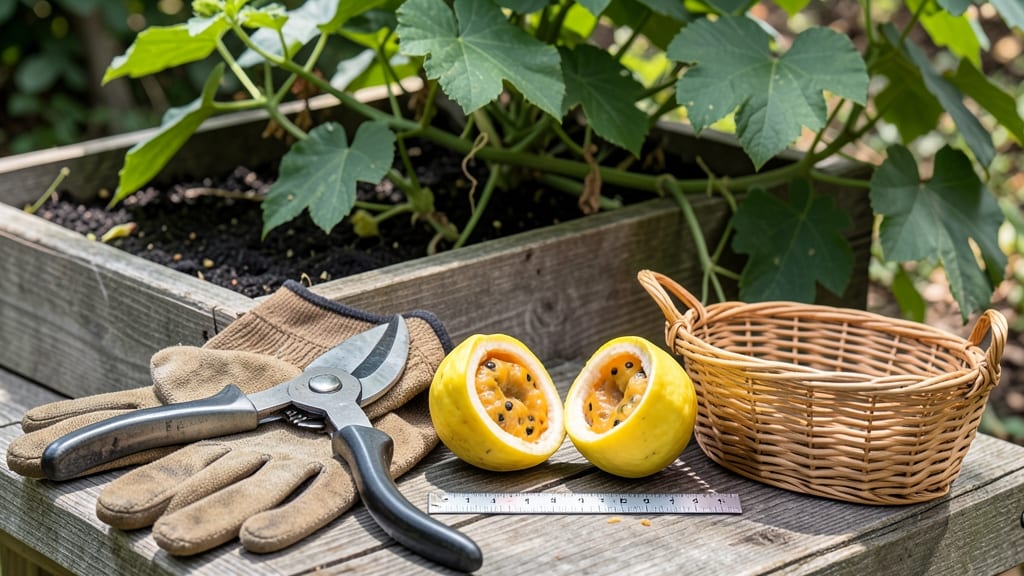
Harvesting passion fruit at the right time means the difference between a burst of tropical sweetness and a bitter, seedy disappointment—so timing is everything.
Picking too early gives you a meal of tough skin and underripe flesh, while waiting too long risks dropping perfectly ripe fruit to the ground. The key? Learning the color, size, and scent cues that signal peak ripeness—whether you're growing purple or yellow varieties in tropical or subtropical climates.
In this guide, I’ll break down the exact visual and tactile tests to use, from checking the fruit’s wrinkled skin to sniffing for that signature sweet perfume.
You’ll also discover how seasonal shifts and vine maturity affect your harvest window—and how to avoid the three biggest mistakes that waste your crop.
Ready to turn your passion fruit vine into a year-round sweetness machine? Let’s dive into the simple, foolproof way to harvest at its juiciest.


How to tell when passion fruit is ripe using color and size
Passion fruit ripeness can be confusing—especially when you’re staring at a vine full of green, purple, or yellow fruits that all look different. The key lies in understanding how color, size, and sunlight exposure work together to signal peak ripeness.
Purple varieties (like Passiflora edulis) and yellow varieties (like Passiflora ligularis) mature at slightly different rates, so knowing their unique cues is critical for a sweet harvest.
For purple passion fruit, ripeness starts when the skin shifts from bright green to deep purple, often with a slight wrinkled texture. Yellow varieties, however, turn from green to a golden-yellow hue with a softer, almost papery feel.
But color alone isn’t enough—you’ll also need to check the fruit’s diameter and stem condition to avoid picking too early or too late.
Sunlight plays a huge role in ripening. Fruits growing in full sun (6+ hours daily) will ripen faster and develop more vibrant colors than those in partial shade.
If your vine is struggling to produce ripe fruit, consider relocating it to a sunnier spot or pruning nearby obstacles blocking light. Even a few extra hours of sunlight can make the difference between a tart, underripe fruit and one bursting with sweetness.
| Variety | Color at Ripeness | Ideal Diameter | Texture | Stem Condition |
|---|---|---|---|---|
| Purple Passion Fruit (Passiflora edulis) | Deep purple | 2–3 inches | Slightly wrinkled, soft to touch | Dries and darkens |
| Yellow Passion Fruit (Passiflora ligularis) | Golden-yellow | 3–4 inches | Soft, papery skin | Dries and detaches easily |
| Granadilla (Passiflora ligularis) | Bright yellow-orange | 4–5 inches | Very soft, almost mushy | Falls off vine easily |
Size matters more than you might think. A purple passion fruit should measure about 2–3 inches in diameter when ripe, while yellow varieties typically reach 3–4 inches. Smaller fruits are usually underripe, while oversized ones may be overripe and prone to splitting.
Always check the fruit’s weight too—a ripe passion fruit feels slightly heavy for its size due to the juicy pulp inside.
One of the easiest (but often overlooked) tricks is the gentle twist test. Grasp the fruit near its stem and give it a quarter-turn. If it detaches easily, it’s ready to pick. If the stem resists, wait a day or two.
This test works best in the morning when fruits are cooler and firmer. Overripe fruits will often fall off the vine on their own, so keep an eye on your plants daily during peak harvest season.
Sunlight intensity also affects ripeness timing. In hot, tropical climates (like Florida or Hawaii), passion fruit ripens faster—sometimes in as little as 6–8 weeks after flowering. In cooler subtropical zones (like parts of California or Australia), the process can take 10–12 weeks.
If your fruits aren’t ripening on schedule, check for adequate sunlight, proper watering, and balanced fertilization to encourage faster maturation.
Pro tip: Avoid harvesting passion fruit in the middle of the day when temperatures are highest. The skin can be too soft and prone to bruising, making it harder to transport.
Early morning or late afternoon is ideal for picking, as the fruits are firmer and less likely to split during handling.
Once you’ve mastered these visual cues, you’ll never miss a peak-ripeness window again. The difference between a tart, seedy mess and a sweet, juicy explosion of flavor comes down to timing. Now grab your pruners and start harvesting like a pro!
The scent and texture test for absolute ripeness (don’t skip this)
Color alone won’t guarantee a sweet, juicy passion fruit. The real magic happens when you engage your sense of smell and touch. A ripe passion fruit releases a distinct floral-fruity aroma—like a mix of citrus and tropical blossoms.
If your fruit smells neutral or sour, it’s not ready yet. This scent test works best in morning sunlight when volatile oils peak.
Don’t overlook the texture test—this is where most gardeners miss the mark. A perfectly ripe passion fruit should feel slightly soft to gentle pressure (like a ripe avocado) but not mushy.
Press your thumb against the fruit: if it gives way slightly and leaves a faint indent, it’s prime. If it springs back like a tennis ball, wait 2–3 more days.
⚠️ callout-warning ⚠️
⚠️ Warning: Overripe = Waste
If your passion fruit feels mushy or leaks pulp when pressed, it’s past its prime. Overripe fruit loses sweetness and develops fermented flavors. Worse, the seeds become too hard to remove for juicing or recipes. Harvest just before full softness for peak flavor.
🍈 Pro Tip: Twist gently at the stem—if it detaches easily, it’s ready. If it resists, wait 1–2 days.
For purple passion fruit varieties, the scent should be intensely floral with honey notes. Yellow varieties (like Passiflora edulis flavicarpa) emit a tangier, more tropical aroma.
If your fruit smells like nothing, it’s underripe. Place it in a paper bag with a banana for 24 hours—ethylene gas from the banana speeds ripening.
The stem test is your final checkpoint. A ripe passion fruit’s stem will dry out and darken where it meets the fruit. Gently tug—if it twists off cleanly with minimal force, you’ve nailed the timing.
If the stem snaps or stays green, the fruit needs more time. This test works best on mature vines (1+ year old).
Never harvest based on size alone. Some passion fruit stay small but perfectly ripe, while others grow large but remain tough and seedy. Combine all three tests: scent, texture, and stem condition—this trio guarantees peak ripeness every time.
Trust your senses over the calendar for the best tropical harvest.
🌱 Bonus: Store harvested passion fruit at room temperature for 2–3 days max. Once cut open, refrigerate seeds and pulp separately to prevent spoilage.