
Trees
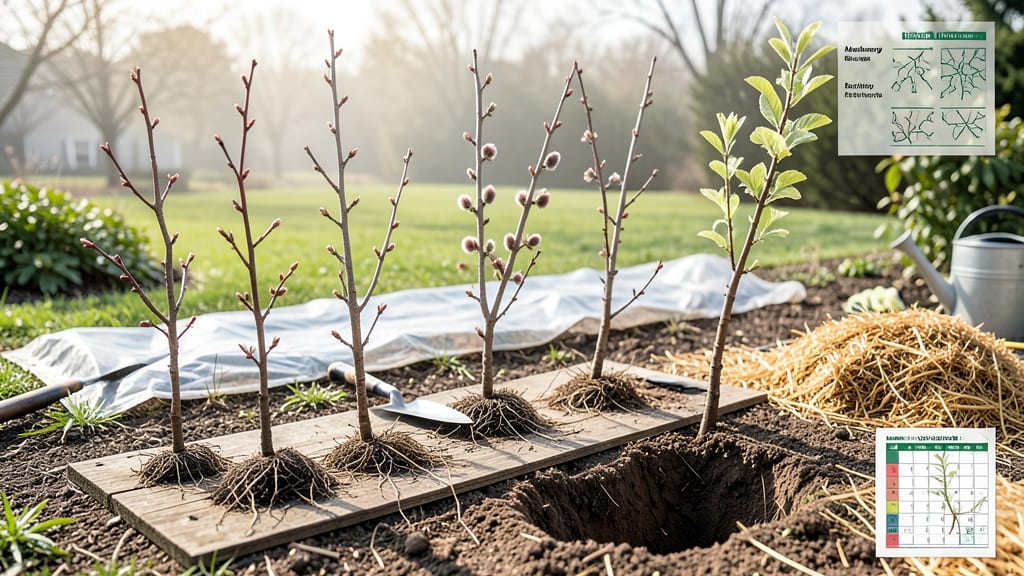
Planting a fruit tree 🍎 in Michigan at the right time means the difference between a thriving orchard and a sad, stunted sapling.
Michigan’s unpredictable climate can make or break your fruit tree success—planting at the wrong time means stunted growth, poor yields, or even death. But timing it right unlocks sweet, abundant harvests for decades.
For most of the state, early spring—between March and April—is the best window to get those roots established before summer heat arrives. Yet fall planting (September-October) works too, especially for container-grown trees.
Below, I break down the exact chill-hour zones, soil prep steps, and how to tell if you’re planting too early or late—so you can avoid the costly mistakes I’ve seen too many gardeners make.
Michigan fruit tree planting timeline by chill-hour Zone (2024 guide)
Michigan’s climate demands precision when planting fruit trees—chill hours (cold winter hours needed to trigger blooming) vary dramatically between Upper Peninsula (USDA Zone 4-5) and Lower Peninsula (Zone 5-6).
A Honeycrisp apple (600+ chill hours) thrives in Zone 5, while a Haralson peach (300-500 hours) struggles there but excels in Zone 6. Timing your planting to match these needs ensures strong root establishment before Michigan’s late spring frosts (mid-April to early May).
For bare-root trees, aim for early spring (March-April) when soil thaws but before buds swell—this gives roots weeks to establish before summer heat. Container-grown trees offer more flexibility, allowing fall planting (September-October) in Zones 5-6, but avoid planting when soil temps drop below 50°F.
Michigan’s short growing season (150 frost-free days) means every week counts—late plantings risk stunted growth or winter dieback.
Key chill-hour ranges for Michigan fruit trees: • Apples/Pears: 500–800 hours (Zones 5-6) • Cherries: 600–900 hours (Zones 4-5) • Peaches/Nectarines: 300–500 hours (Zones 6-7) • Plums: 400–600 hours (Zones 5-6) Check your tree’s tag—planting a high-chill variety in Zone 6 without enough winter cold leads to poor flowering.
| Zone/Region | Best Planting Window | Chill-Hour Match | Soil Temp Threshold | Post-Planting Care |
|---|---|---|---|---|
| Upper Peninsula (Zones 4-5) | Late April–early May | 600+ hours (apples, cherries) | 45–50°F (10–12°C) | Mulch heavily (6" deep), water weekly |
| Northern Lower Peninsula (Zone 5b) | Early April–mid-May | 500–700 hours (apples, pears) | 50–55°F (10–13°C) | Stake young trees, fertilize in June |
| Southern Lower Peninsula (Zone 6a) | March–April OR Sept–Oct | 300–500 hours (peaches, plums) | 55–60°F (13–16°C) | Fall-planted trees need winter protection |
| All Zones (Container Trees) | April–May OR Sept–early Oct | Flexible (check variety) | 50°F+ (10°C+) | Water deeply 2x/week first season |
In Zone 4-5 (Upper Peninsula), prioritize late-April planting—soil warms slower, and frost dates linger.
Test soil with a soil thermometer; wait until it hits 45°F for bare-root trees. Zone 5b gardeners can start in early April, but monitor last frost dates (mid-April in Traverse City vs. early May in Detroit).
For Zone 6a, fall planting (September) works for container trees, but avoid planting after October 1st—roots need 6+ weeks to establish before winter.
Regional microclimates matter: South-facing slopes in Zone 5 warm 2–3 weeks earlier than north-facing yards. Use this to your advantage—plant early bloomers like Honeygold apples on sunny slopes. Conversely, valleys hold frost longer; delay planting peach trees there by 2 weeks.
Always check Michigan State University’s frost maps for your 10-mile radius—local variations can shift planting windows by 10–14 days.
5 Critical signs you’re planting too early or late in Michigan
Michigan’s unpredictable frost dates and soil temperature swings can turn your fruit tree planting into a gamble. If you plant too early, tender roots may freeze back, while late planting delays root establishment, leaving trees vulnerable to winter stress.
The key is watching for these 5 red flags that signal you’ve missed the optimal window.
First, check your soil temperature—it must stay above 50°F (10°C) for at least 7-10 days before planting. Cold soil slows root growth, making trees susceptible to disease. Use a soil thermometer to avoid guessing. If temperatures dip below this threshold, delay planting until conditions stabilize.
Next, monitor bud break on nearby trees. If buds on fruit trees like apples or cherries are already swelling when you plant, you’ve waited too long. Early spring planting should occur before buds swell, ideally when soil is workable but still cool.
For fall planting, aim for 6-8 weeks before frost to allow roots to establish.
- 🌡️ Soil temp below 50°F – Roots won’t establish; risk of frost damage.
- 🌱 Bud break already occurred – Planting too late stunts growth and delays fruiting.
- 🌧️ Frost forecast within 2 weeks – Newly planted trees can’t handle freezing soil.
- 🌾 Weeds sprouting aggressively – Warm soil signals it’s time to plant.
- 🍂 Leaves already falling (fall planting) – Tree won’t harden off before winter.
Another warning sign is aggressive weed growth. Weeds thrive when soil warms up, signaling it’s safe to plant. If your garden is a sea of dandelions or crabgrass, the soil is likely 55°F (13°C) or warmer, perfect for fruit trees.
Conversely, if weeds are dormant, hold off until temperatures rise.
For fall planting, watch for leaf color changes on nearby trees. If maples or oaks are already turning, your fruit trees won’t have enough time to harden off before winter.
Aim to plant 4-6 weeks before your area’s first frost, giving roots time to anchor before cold sets in. Use a frost date calculator for your specific Michigan region.
Finally, trust your local extension office for real-time updates. Michigan State University’s Garden Hotline provides weekly frost and soil temperature advisories. If their recommendations conflict with your gut, err on the side of caution—delay planting.
A well-timed fruit tree can live for decades; rushing the process risks years of disappointment.
When in doubt, plant in layers: Start with a few trees in early spring, then add more as conditions improve. This hedges your bets against Michigan’s volatile weather while ensuring your orchard thrives for seasons to come. 🍎