
Planting
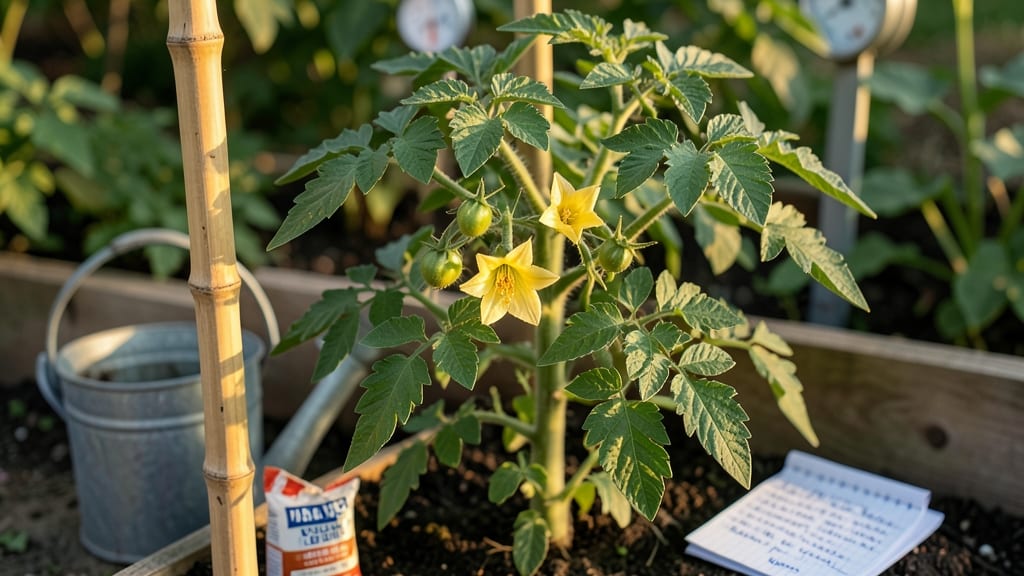
Your tomato plant is growing lush and green but not producing fruit—frustrating, especially after all that care. 🌿 That’s fixable, though. We’ll tackle the top reasons why healthy plants refuse to fruit (hint: it’s usually one of five culprits), plus the quick fixes that work in days, not weeks.
Picture this: your plant is thriving with broad leaves and sturdy stems, but those flowers keep falling off or turning yellow before setting fruit.
The most common culprits are too much nitrogen (all that leafy growth at the expense of fruit), poor pollination (especially in greenhouses or rainy weather), or temperature swings (tomatoes need steady warmth to set fruit). Even overwatering or underwatering can trick the plant into focusing on survival instead of reproduction.
Here’s the game-changer: hand-pollination (just shake the plant gently when flowers open) and balanced fertilizer (switch to a bloom-boosting 5-10-10 formula) can turn things around in 7-10 days.
We’ll walk you through each fix—no guesswork, just results. By the end, you’ll know exactly what your plant needs to start bearing fruit like it should.
Whether you’re dealing with a single plant or a whole greenhouse full, these solutions work for determinate (bush) and indeterminate (vining) varieties. The key is acting fast—once you identify the issue, the fix is usually simpler than you think. Let’s get those tomatoes producing!
Root Causes Behind Empty Blooms
If your tomato plant is thriving with lush green leaves but stubbornly refuses to set fruit, the issue likely stems from one (or more) of these core biological or environmental factors.
Understanding the why behind the problem is the first step to fixing it—because a tomato plant’s decision to produce fruit (or not) is a finely tuned response to its surroundings. Let’s break down the science behind the most common culprits:
Tomatoes are warm-weather plants, and their fruit-setting process is highly sensitive to temperature fluctuations. While they love basking in the sun, extreme heat or cold can disrupt pollination and fruit development:
- Heat Stress (Above 90°F/32°C):
When temperatures soar, tomato flowers may abort before pollination occurs—a phenomenon called blossom drop. High heat also reduces pollen viability, meaning even if bees or wind pollinate the flowers, the pollen may fail to fertilize the ovules.
- Cold Snaps (Below 50°F/10°C):
Cold weather slows metabolic processes, including pollen tube growth. If nights dip too low, the pollen simply can’t reach the ovary to trigger fruit formation. Some varieties (like cherry tomatoes) are slightly more cold-tolerant, but all tomatoes struggle below 55°F (13°C).
Actionable Fix: Use shade cloth during heatwaves or row covers for early-season protection. For indoor growers, maintain temperatures between 65–85°F (18–29°C) during the day and avoid drafts near plants.
Water stress—whether from drought or overwatering—directly impacts fruit set by disrupting hormone balance and pollination. Tomatoes need consistent moisture, but extremes throw their reproductive system into chaos:
- Underwatering:
Drought stress triggers the plant to prioritize survival over reproduction. Flowers may drop, and existing fruit can abort due to a hormone called ethylene, which spikes under stress. Soil moisture below 50% capacity is a red flag.
- Overwatering:
Soggy roots suffocate the plant, preventing it from absorbing essential nutrients like calcium and boron, which are critical for fruit development. Poor drainage also leads to blossom end rot (a calcium deficiency symptom) and root rot, both of which kill potential fruit.
Actionable Fix:
- Water deeply 1–2 times per week (depending on climate), aiming for 1–1.5 inches of water per week.
- Use drip irrigation or soaker hoses to keep soil evenly moist but not waterlogged.
- Mulch with straw or wood chips to retain moisture and regulate soil temperature.
Tomatoes are self-pollinating, but they still rely on external forces—wind, bees, or even a gentle human nudge—to transfer pollen from the anthers (male part) to the stigma (female part). Without successful pollination, flowers wilt and drop without forming fruit. Common roadblocks:
- Lack of Pollinators:
In urban or indoor settings, bees may be scarce. Even in gardens, pesticide use (especially neonicotinoids) can repel or kill pollinators.
- Poor Weather:
Rainy or windless days prevent pollen from dispersing. Humidity can also glue pollen to the anthers, making transfer impossible.
- Genetic Quirks:
Some indeterminate varieties (like ‘Sungold’) produce flowers that open sequentially. If the first flush of blooms isn’t pollinated, the plant may focus energy on leaves instead of fruit.
Actionable Fix:
- Plant bee-friendly flowers (e.g., marigolds, basil) nearby to attract pollinators.
- For indoor or pesticide-treated plants, hand-pollinate by gently shaking the plant or using a soft paintbrush to transfer pollen between flowers.
- On cloudy or rainy days, give flowers a morning shake to boost pollen dispersal.
Tomatoes are heavy feeders, and a deficiency in key nutrients can halt fruit production. The most critical offenders:
| Nutrient | Symptoms of Deficiency | Impact on Fruit |
|---|---|---|
| Nitrogen (N) | Yellowing lower leaves, stunted growth | Excess nitrogen promotes leafy growth over fruit. |
| Phosphorus (P) | Purple stems/leaves, slow growth | Reduces flower and fruit development. |
| Potassium (K) | Weak stems, yellowing leaf edges | Weakens pollination and fruit set. |
| Calcium (Ca) | Blossom end rot, deformed fruit | Prevents cell wall formation in developing fruit. |
| Boron (B) | Cracked stems, small/aborted fruit | Essential for pollination and fruit growth. |
Actionable Fix:
- Use a balanced fertilizer (e.g., 5-10-10 or 10-10-10) at planting, then switch to a low-nitrogen, high-phosphorus formula (e.g., 2-3-1) when flowers appear.
- Add calcium supplements (like crushed eggshells or calcium nitrate) to prevent blossom end rot.
- For boron deficiencies, use borax (1/4 tsp per gallon of water) as a foliar spray.
Tomatoes are resilient, but they will shut down fruit production if they perceive stress. Common triggers:
- Transplant Shock:
Moving seedlings from nursery pots to the ground (or containers) disrupts root systems, causing delayed fruiting. Roots take 2–3 weeks to establish after transplanting.
- Overcrowding:
Competition for sunlight and nutrients forces the plant to prioritize survival over reproduction. Aim for 18–24 inches
How to Revive Your Tomato Plant’s Fruit Production
---
If your tomato plant is thriving with lush green leaves but skipping the fruit-making party, don’t panic! The good news is that most issues are fixable with a few targeted tweaks.
Below, we’ve mapped out practical solutions for each common cause—plus prevention tips to keep your plant in peak fruiting shape. Let’s get your tomatoes from just growing to bursting with flavor!
---
Tomatoes are tropical but need a balanced temperature range to set fruit. If nights dip below 55°F (13°C) or days exceed 90°F (32°C), blooms may drop before fruiting.
#### 🔥 Fix It: - For cold stress: - Move potted plants to a sheltered spot (like near a south-facing wall) or cover them with frost cloth at night. - Use black plastic mulch to warm soil—it absorbs sunlight and radiates heat. - If growing in containers, place them on brick or stone to retain warmth.
- For heat stress: - Provide afternoon shade with a lightweight shade cloth (30–50%) to prevent wilting. - Water deeply in the morning to cool the plant and soil (avoid wetting leaves at night to prevent disease). - Choose heat-tolerant varieties like ‘Solar Fire’ or ‘Heatmaster’ for next season.
#### 💡 Prevention Tips: - Monitor temps with a soil thermometer—ideal range for fruiting is 60–85°F (15–29°C). - Avoid sudden temperature swings (e.g., cold drafts from AC units or open windows).
---
Tomatoes are thirsty but hate soggy roots—both extremes can stall fruit production. Overwatering leads to blossom drop, while underwatering causes stress and poor pollination.
#### 🍳 Fix It: - Check soil moisture by sticking your finger 1–2 inches deep.
If dry, water deeply (1–1.5 inches per week, more in heat). - Water at the base (not leaves) to prevent fungal diseases like blight, which also stress plants. - Use drip irrigation or soaker hoses to deliver consistent moisture without wetting foliage.
#### 🔥 Pro Tip: - Mulch heavily (straw or wood chips) to retain moisture and regulate soil temperature. - Avoid watering in the evening—wet leaves + cool nights = perfect conditions for disease.
---
Too much nitrogen = leafy greens, no tomatoes. Too little phosphorus or potassium = weak blooms and poor fruit development. A quick soil test (or visual clues) can point you in the right direction.
#### 👨🍳 Fix It: | Symptom | Likely Cause | Solution | |---------------------------|---------------------------|------------------------------------------------------------------------------| | All leaves, no flowers | Too much nitrogen | Switch to a balanced fertilizer (10-10-10 or 5-10-10) or compost tea. | | Yellow leaves (lower) | Nitrogen deficiency | Add blood meal or fish emulsion (high in nitrogen). | | Purple stems/leaves | Phosphorus deficiency | Use a bone meal or phosphate-rich fertilizer (e.g., 0-10-10). | | Weak, small fruit | Potassium deficiency | Feed with wood ash or a potassium-rich fertilizer (e.g., 0-0-50). | | Stunted growth | General malnutrition | Side-dress with compost or use a slow-release tomato fertilizer. |
#### ✨ Prevention Tips: - Fertilize in stages: - Early growth (pre-bloom): Higher nitrogen (e.g., 10-5-5). - Blooming/fruiting: Shift to lower nitrogen, higher phosphorus/potassium (e.g., 5-10-10). - Avoid over-fertilizing—more isn’t better! Follow package rates and flush soil every 4–6 weeks.
---
Tomatoes are self-pollinating, but sometimes they need a little nudge—especially in greenhouses, containers, or rainy weather. Wind and bees usually do the job, but if they’re missing, your blooms won’t turn into fruit.
#### 🔪 Fix It: - Gently shake the plant every few days to simulate wind pollination (do this in the morning when blooms are open). - Use a small paintbrush or cotton swab to transfer pollen from male (smaller) flowers to female (with tiny fruit bumps). - Invite pollinators by planting basil, marigolds, or borage nearby.
#### 💡 Prevention Tips: - Avoid over-pruning—leave enough foliage for sunlight and pollinator access. - Keep plants healthy—stressed or diseased plants attract fewer bees.
---
Crowded roots or transplant shock can divert energy away from fruiting. If your tomato is root-bound, diseased, or struggling to establish, it may skip reproduction until it’s stable.
#### 🥘 Fix It: - Check roots: Gently loosen circled or compacted roots in containers.
If severely root-bound, repot into a larger container (at least 5-gallon size for indeterminate varieties). - Prune damaged roots (if diseased) and dust with cinnamon to prevent infection. - Transplant carefully: If moving to the ground, water deeply before and after to reduce shock.
#### 🌡️ Prevention Tips: - Use well-draining soil (mix in perlite or compost). - Avoid overcrowding—space plants 18–24 inches apart (or 12 inches for bush varieties). - Stake or cage plants early to prevent wind damage and improve airflow.
---
Need a fast boost? Try these emergency tactics to encourage fruiting:
- Epsom salt trick: Mix 1 tbsp Epsom salt (magnesium sulfate) in a gallon of water and spray leaves once a month for stronger blooms.
- Coffee grounds: Sprinkle used coffee grounds around the base for a phosphorus kick (but use sparingly—too much acidity can harm soil).
- Honey spray: Mix 1 tsp honey in 1 quart of water and spray blooms to attract pollinators (even indoors!).
---
Remember: Patience is key! Some varieties (like heirlooms) take longer to fruit, while others (like cherry tomatoes) may need warmer temps to set fruit. If you’ve ruled out the big issues, wait a week or two—your plant might just be playing the long game for bigger, tastier tomatoes.
Now go forth and harvest! 🍅🌱
Frequently asked questions about tomato plants not producing fruit
Why do my tomato flowers keep falling off before turning into fruit?
This is called blossom drop and usually happens due to temperature stress (above 90°F or below 55°F) or water fluctuations. Tomatoes need stable conditions—too much heat or cold disrupts pollination, while inconsistent watering causes stress hormones to trigger flower abortion. Check your plant's environment and water it consistently at the base.
How do I know if my tomato plant has too much nitrogen?
Look for all leaves, no flowers—this is the classic sign of nitrogen overload. The plant prioritizes leafy growth over fruit production. If your lower leaves are yellowing while upper leaves stay dark green, switch to a low-nitrogen fertilizer (5-10-10 ratio) and focus on phosphorus and potassium for blooming.
Can I hand-pollinate my tomato flowers if there are no bees?
Tomatoes are self-pollinating, so you can help by gently shaking the plant in the morning when flowers open, or use a soft paintbrush to transfer pollen from male to female flowers. This works especially well for container-grown plants or in greenhouses where pollinators are scarce.
What should I do if my tomato plant has blossom end rot?
Blossom end rot is caused by calcium deficiency due to uneven watering. To fix it, water deeply and consistently (1-1.5 inches per week), add crushed eggshells or calcium nitrate to the soil, and mulch to maintain moisture. Remove affected fruit to redirect the plant's energy to healthy growth.
How long does it take for tomato plants to start producing fruit after fixing issues?
With proper care, you should see new fruit set within 7-14 days after addressing the issue. If you've corrected temperature, watering, and fertilization, hand-pollinated flowers, and ensured good soil conditions, expect to see small tomatoes forming on existing flowers within two weeks. Patience is key—some varieties take longer than others!