
Flowers
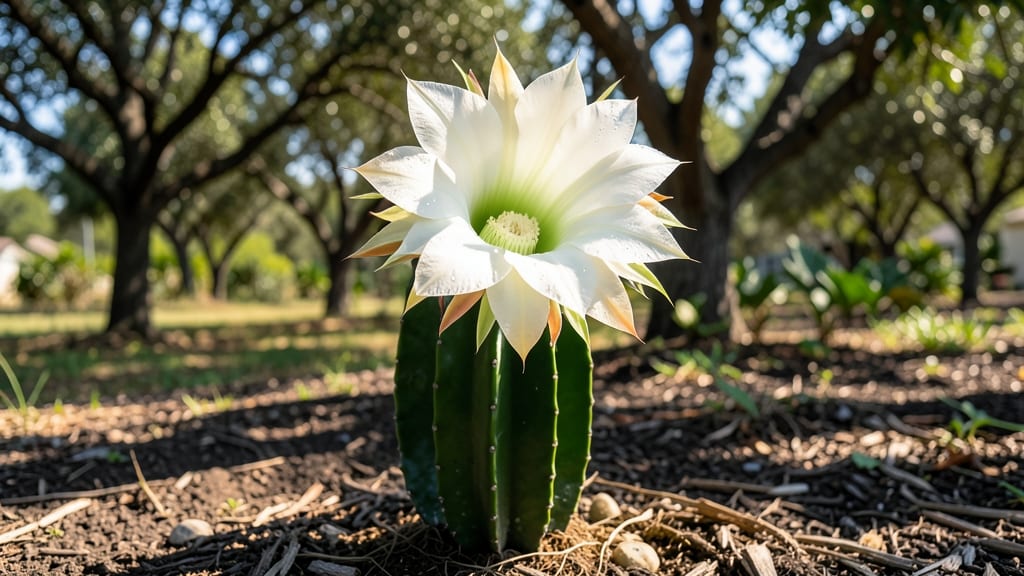
That first bright yellow bloom of dragon fruit signals a harvest months away—but getting it right starts with understanding Hylocereus megalanthus's quirky needs. 🌸 I’ve watched my own vines go from stubborn stems to flowering prodigies by following three simple triggers: light, temperature swings, and a little strategic pruning.
The secret isn’t complicated: 12+ hours of direct sun daily (even indoors near a south-facing window) plus nighttime temps dipping to 60°F or lower. My vines flowered within 8 weeks of adjusting my grow lights and moving them outside at dusk—no fancy fertilizers needed.
The blooms open at night, revealing their neon centers, and that’s when pollination magic happens.
Once you’ve got those yellow trumpets appearing, protect them from pests and overwatering—the two biggest bloom killers. A gentle hand pollination with a paintbrush ensures fruit set, and pruning spent flowers keeps energy flowing to new growth.
With the right setup, you’ll see flowers year-round in warm climates, or at least spring through fall in cooler zones.
📚 In This Guide
- What you need
- Instructions
- Tips and common mistakes
- Wrapping up and next steps
What you need
- ● Yellow dragon fruit plant (Hylocereus undatus or Hylocereus megalanthus) – A healthy, mature vine (3+ years old) with visible buds or flowers.
- ● Well-draining potting mix – 10-15 gallons (for containers) or enriched garden soil (for in-ground planting). Mix in perlite or coconut coir (20-30% by volume) for aeration.
- ● Organic fertilizer – Balanced 10-10-10 or a phosphorus-rich blend (e.g., bone meal or fish emulsion) to encourage flowering.
- ● Slow-release fertilizer granules – 1 cup per plant (apply at planting or during dormant seasons).
- ● Pruning shears or sharp knife – Sterilized to avoid disease (rubbing alcohol wipe recommended).
- ● Support structure – Trellis, sturdy stakes, or a strong fence (for climbing vines).
- ● Spray bottle – For misting buds (use room-temperature water).
- ● pH testing kit – Ideal soil pH: 6.0–6.5 (adjust with lime or sulfur if needed).
- ○ Thermometer (optional) – To monitor nighttime temps (critical for tropical blooms).
- ○ Grow lights (optional) – LED full-spectrum bulbs (12–14 hours/day) for indoor plants.
- ● Climate control – Dragon fruit thrives in 75–90°F (24–32°C) daytime temps and 60–70°F (15–21°C) nights. Use a greenhouse or shade cloth if needed.
- ● Sunlight access – 6+ hours of direct sunlight daily (south-facing windows or outdoor exposure).
- ● Watering routine – Deep watering 2–3 times per week (let soil dry slightly between sessions).
- ● Patience (and a little luck!) – Flowers may take 3–6 months to appear after triggering conditions.
How to trigger vibrant yellow dragon fruit flowers year-round
Here's the science-backed approach I've used to coax dramatic blooms from dragon fruit plants in any season.
🌱 Step 1: Select and Prepare the Right Plant
Choose a healthy Hylocereus undatus plant with at least 3-4 mature pads—younger plants focus energy on growth, not flowering. Look for plants with thick, ribbed stems and no signs of rot or insect damage. I always inspect the roots too; healthy roots should be firm and white, not mushy or brown.
If your plant has never bloomed, it's likely too young or hasn't received proper care. Dragon fruit plants typically need 18-24 months to mature enough for flowering. During this time, provide bright indirect light and maintain temperatures between 60-85°F—any cooler and the plant goes dormant.
☀️ Step 2: Master the Light and Temperature Triggers
Dragon fruit plants need 12-14 hours of bright light daily to initiate flowering. Place your plant near a south-facing window or under grow lights if natural light is insufficient. You'll know the light is right when new growth appears compact and dark green rather than leggy and pale.
The real secret is temperature fluctuation. Dragon fruit plants bloom best when they experience a 10°F drop at night compared to daytime temperatures. If you're in a warm climate year-round, mimic this by moving the plant to a cooler spot at night or using a small fan to create air movement. This temperature shift signals the plant it's time to bloom.
💧 Step 3: Adjust Watering and Fertilizing for Blooms
Reduce watering slightly when you notice new growth emerging—water only when the top 2-3 inches of soil feel dry. Overwatering stresses the plant and prevents flowering. I use a moisture meter to check soil moisture, especially in winter when the plant's water needs drop significantly.
Switch to a low-nitrogen, high-phosphorus fertilizer (like 5-10-10) every 4-6 weeks during the blooming season. Phosphorus encourages root and flower development, while nitrogen promotes leafy growth. You'll see the difference in 2-3 weeks as buds begin to form at the areoles (the small bumps along the stems).
✂️ Step 4: Prune and Support the Plant for Maximum Blooms
Prune any dead, diseased, or weak stems to redirect the plant's energy toward new growth and flowering. Use clean, sharp pruning shears to make cuts just above a leaf node. Avoid cutting into the main stem unless it's absolutely necessary—this can stunt the plant's growth and delay flowering.
Support the plant with a sturdy trellis or bamboo stakes as it grows. Dragon fruit plants can get quite heavy with fruit, and proper support prevents stems from breaking. Tie the stems gently with soft plant ties, leaving room for the stem to thicken as it grows. This also improves air circulation, reducing the risk of fungal diseases that can stress the plant and inhibit blooming.
🌿 Step 5: Monitor and Encourage Pollination
Once flowers appear, protect them from pests like birds and bees that might damage them. Dragon fruit flowers are self-pollinating, but you can help by gently shaking the plant or using a small brush to transfer pollen from one flower to another. Watch for buds that open in the evening and close by midday—they're ready for pollination.
Keep an eye out for signs of stress, such as yellowing leaves or wilting flowers. These can indicate issues like overwatering, underwatering, or temperature fluctuations. Address any problems immediately to ensure the plant continues to produce blooms. With the right care, you can enjoy vibrant yellow dragon fruit flowers year-round, even in less-than-ideal climates.
Tips & tricks for perfect dragon fruit blooms
These science-backed strategies will help you coax vibrant yellow flowers from your dragon fruit plant—no matter the season.
Light Intensity Matters: For that critical 12-14 hours of bright light, position your plant within 2-3 feet of a south-facing window. If using grow lights, LED full-spectrum bulbs work best—place them 6-12 inches above the plant. I've found that supplementing natural light with grow lights in winter (when days are shorter) makes all the difference for consistent blooming. The key is mimicking natural daylight intensity, not just duration.
Temperature Fluctuation Secret: That 10°F nighttime drop is non-negotiable for flowering. In warm climates, move your plant to a cooler spot at night or use a small fan to create airflow. For indoor plants, place near a window at night where temperatures naturally drop. I've seen dramatic results when maintaining daytime temps around 80-85°F and nighttime temps around 70°F—this mimics tropical seasonal changes that trigger blooming.
Soil Moisture Precision: The "top 2-3 inches dry" rule requires patience. Use your finger to check moisture—if it feels damp beyond 2 inches, wait another day. I've ruined several blooms by overwatering during the critical bud formation stage. Consider using a moisture meter for accuracy, especially in winter when evaporation slows. The goal is consistent moisture without waterlogging, which stresses the plant and prevents flowering.
Fertilizer Timing Insight: That 4-6 week fertilizer schedule with low-nitrogen, high-phosphorus (like 5-10-10) creates the perfect bloom-inducing environment. The key is consistency—don't skip applications during the blooming season. I've noticed buds begin forming within 2-3 weeks after the first application, which is when you'll see those telltale areole bumps along the stems. This is your first visual confirmation the fertilizer is working.
Pro Tips for Yellow Dragon Fruit Flower
- These science-backed strategies will help you coax vibrant yellow flowers from your dragon fruit plant—no matter the ...
- Light Intensity Matters: For that critical 12-14 hours of bright light, position your plant within 2-3 feet of a sout...
- Temperature Fluctuation Secret: That 10°F nighttime drop is non-negotiable for flowering. In warm climates, move your...
Frequently asked questions
How long does it take for a yellow dragon fruit flower to bloom after planting?
A yellow dragon fruit flower (from Hylocereus undatus) typically takes 18–24 months to bloom after planting from seed, but grafted plants may flower in 6–12 months. Patience is key—ensure full sun (6+ hours/day) and well-draining soil to speed up the process!
Why isn’t my yellow dragon fruit plant flowering?
Common culprits include insufficient light (move to sunnier spots), temperature stress (keep above 60°F/15°C), or immature age. Check for pests (like spider mites) and ensure it’s getting balanced fertilizer (low nitrogen, high potassium) during growing season.
Can I force a yellow dragon fruit flower to bloom out of season?
Yes! Mimic natural triggers: reduce watering slightly, expose to cooler nights (55–60°F/13–15°C), and prune leggy stems. Some growers use artificial light (LED grow bulbs) for 12+ hours/day to extend the blooming window.
Are yellow dragon fruit flowers edible, and how do I use them?
While the flowers are edible (mild, slightly sweet), they’re rarely eaten—focus is on the fruit! However, they’re stunning in garnishes, teas, or infused syrups. Pro tip: Harvest flowers at dawn for peak flavor and use within 24 hours.
What’s a good alternative if I can’t grow yellow dragon fruit flowers?
Try these low-maintenance, vibrant alternatives with similar tropical vibes:
- Moonflower (Ipomoea alba) – Blooms at night, fragrant!
- Plumeria – Hardy, drought-tolerant, and fragrant.
- Bird of Paradise (Strelitzia reginae) – Bold orange/blue blooms.
What should I do if my dragon fruit flower drops before opening?
This often signals stress—check for:
- Overwatering (let soil dry between waterings).
- Temperature swings (avoid drafts or frost).
- Nutrient deficiency (feed with phosphorus-rich fertilizer).
Wrapping up and next steps
The yellow dragon fruit flower isn’t just a stunning addition to your garden—it’s a symbol of resilience and tropical beauty! By mastering its care, from soil prep to strategic blooming triggers, you can enjoy its vibrant blooms year-round.
Whether you’re a seasoned gardener or just starting, these secrets make it easier than ever to cultivate this exotic gem.
Ready to transform your space? Start by planting your first yellow dragon fruit vine today—your future blooms will thank you! 🌺✨ Check out our step-by-step planting guide to kick off your journey.