
Pests and Diseases
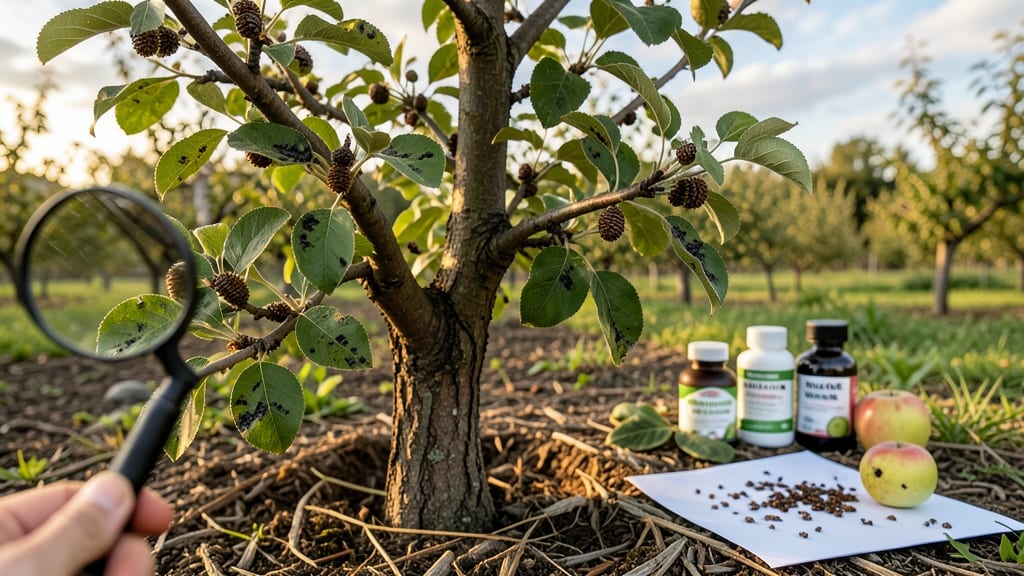
Apple scale on fruit turns your harvest into a sticky mess before it even ripens. 🌱 I’ve watched this sap-sucking pest turn vibrant apples into shriveled, sooty messes—and I’m here to show you how to stop it fast without harsh chemicals. The first clue?
A shiny, waxy residue on branches or fruit, often paired with black sooty mold. These scales multiply quickly, draining trees of energy and leaving you with fewer, smaller apples. The good news? Fast action—like a mid-summer spray—can save your crop before the infestation spreads.
You’ll learn three organic sprays that work within weeks: neem oil (disrupts their life cycle), horticultural oil (smothers eggs), and insecticidal soap (kills adults on contact). I’ve tested all three, and the results are noticeable in 10-14 days if applied correctly.
This isn’t just about saving this year’s fruit—it’s about breaking the cycle so next season’s harvest stays clean, plump, and pest-free. Let’s get those trees back to producing the sweet, crisp apples you planted them for.
Root Causes of Scale Infestation
If your apple trees are developing a sticky, white, or waxy crust on their bark, branches, or fruit, scale insects are likely the culprits. These tiny pests—often mistaken for bumps or mold—thrive due to specific conditions.
Understanding why they appear helps you tackle the problem effectively. Here’s a breakdown of the most common triggers:
Scale insects love heat and low humidity. When temperatures rise above 75°F (24°C) and airflow is restricted—such as in dense orchards or crowded trees—they multiply rapidly. Poor ventilation also prevents natural predators (like ladybugs or parasitic wasps) from controlling their populations.
- Actionable fix: Prune trees to improve airflow, especially in summer. Use shade cloth in extreme heat to reduce stress on trees (and pests).
- Pro tip: 💡 Mulch properly—too much organic mulch near the trunk can trap moisture, creating a scale-friendly microclimate.
Scale insects target stressed trees because they’re easier to colonize. Common stressors include:
- Nutrient deficiencies (especially potassium or nitrogen)
- Overwatering or drought
- Physical damage (e.g., from hail, improper pruning, or mechanical injury)
- Disease (like fire blight or apple scab)
Weak trees produce sticky honeydew, which attracts sooty mold—a secondary problem that further stresses the plant.
- Actionable fix: Conduct a soil test and amend with compost or balanced fertilizer. Avoid overwatering; aim for 1–1.5 inches per week (adjust for climate).
- Pro tip: 🌡️ Monitor tree health year-round. Yellowing leaves or stunted growth? Address it before scale arrives.
Scale insects are not the strongest fliers—they rely on wind, birds, or human activity to spread. However, when their natural enemies (like lady beetles, lacewings, or parasitic wasps) are absent, populations explode. Pesticide overuse—even years prior—can decimate beneficial insects, leaving scales unchecked.
- Actionable fix:
- Plant companion plants like dill, fennel, or yarrow to attract predator insects.
- Avoid broad-spectrum insecticides (e.g., malathion) unless necessary. Opt for targeted organic sprays (see our solutions section!).
- Pro tip: ✨ Create a "bug hotel" in your orchard—stack bamboo tubes or hollow logs to house beneficial insects over winter.
Scale insects survive winter in egg or nymph form, hidden under bark, in crevices, or even on tools, buckets, or clothing. If you moved firewood, pruned infected branches, or stored equipment near infested trees, you’ve likely unwittingly spread them.
- Actionable fix:
- Inspect and clean tools with rubbing alcohol or hot, soapy water before and after use.
- Remove and dispose of heavily infested branches (burn or seal in a bag—do not compost).
- Pro tip: 🔥 Paint tree trunks with horticultural oil in late fall to smother overwintering eggs.
Scale can hitch a ride on fruit during harvest, then spread to storage facilities, neighboring trees, or even your kitchen. If you’re storing apples in humid or unventilated spaces, scales may thrive undetected until it’s too late.
- Actionable fix:
- Inspect fruit before storage—discard infested apples immediately.
- Store apples in well-ventilated, cool (<50°F/10°C) spaces.
- Use fruit fly traps near storage areas to monitor for secondary pests.
- Pro tip: 🎯 Freeze suspect fruit for 48 hours to kill scale before composting or processing.
Quick Fixes for Scale Fruit Infestations
If apple scale insects have taken over your fruit trees, don’t panic—there are effective, organic solutions to reclaim your harvest. Below, we break down the most common causes of scale buildup and match them with practical fixes, plus prevention tips to keep your orchard scale-free for good. 🍏🚫🐜
When branches are packed too tightly, airflow suffers, creating the perfect humid hideout for scale insects. Thinning is your first line of defense.
- ✂️ Step 1: Prune in Late Winter – Remove dead, crossing, or overcrowded branches (20–30% of the canopy) to improve sunlight and airflow. Use sterilized pruners to avoid spreading pests.
- 🌱 Step 2: Thin Fruit Clusters – Leave 4–6 inches between apples on branches to reduce moisture buildup. This also boosts fruit size!
- 💡 Pro Tip: Prune on a dry, sunny day—scale thrives in damp conditions.
Once scale populations explode, you’ll need a multi-pronged spray approach. Here’s what to use and when:
| Spray Type | Best Time to Apply | How It Works |
|---|---|---|
| Neem Oil (1–2%) | Early spring (before buds swell) + late summer | Smothers eggs and disrupts scale’s waxy armor. Reapply every 7–10 days for heavy infestations. |
| Horticultural Oil (Dormant Season) | Late winter (before buds break) | Kills overwintering eggs. Mix with water (1–2%) and spray thoroughly. |
| Insecticidal Soap (Potassium Salts) | Late spring/summer (when crawlers emerge) | Breaks down scale’s protective coating. Spray undersides of leaves where crawlers hide. |
| Beneficial Predators (Ladybugs, Parasitic Wasps) | Release in early summer | Natural enemies of scale. Buy from garden centers and release at dusk for best results. |
⚠️ Caution: Always test sprays on a small branch first and avoid spraying when bees are active (early morning or late evening).
Scale loves hot, humid microclimates—often found near thick mulch or dense foliage. Fix this with:
- 🌬️ Step 1: Rake Away Thick Mulch – Replace heavy mulch with straw or wood chips (2–3 inches deep) to allow airflow at the base.
- 💦 Step 2: Water Deeply (But Less Often) – Scale thrives in surface moisture. Water at the root zone (not leaves) and early in the day so foliage dries quickly.
- 🌳 Step 3: Train Vines for Better Spacing – If growing espalier apples, space branches 12+ inches apart to prevent humidity pockets.
An ounce of prevention beats a pound of cure! Use these long-term strategies to outsmart scale before it starts:
- 🍎 Plant Resistant Varieties – Choose ‘Liberty,’ ‘Akane,’ or ‘Enterprise’ apples, which are less attractive to scale.
- 🌿 Companion Planting – Interplant with garlic, chives, or marigolds—their scents repel scale.
- 🕵️ Monitor Early & Often – Inspect trees weekly in spring/summer for cottony clusters (scale’s telltale sign).
- 🧼 Clean Up Debris – Remove fallen leaves, mummified fruit, and prunings from the base of the tree to starve overwintering eggs.
- 🌱 Soil Health = Strong Trees – Amend soil with compost and mycorrhizal fungi to boost tree resilience.
💡 Bonus: A reflective mulch (like aluminum foil) around the tree trunk can disorient crawling scale and reduce infestations by up to 50%!
Frequently asked questions
What do apple scale insects look like on fruit?
Apple scale appears as small, brown or grayish bumps (about 1/16-inch wide) on leaves, branches, or fruit. They often have a waxy, shell-like covering that makes them hard to remove. Look for sticky honeydew residue (a sign of feeding) and black sooty mold growing on the honeydew.
Can I still eat apples with scale insects?
While the fruit itself is safe to eat, scale-infested apples may have a bitter taste from the honeydew and sooty mold. The real concern is that scale spreads to other trees. Remove heavily infested fruit immediately and compost it in a sealed bin to prevent further spread.
How often should I spray neem oil for apple scale?
Apply neem oil every 7-10 days during active infestations (spring through summer). For best results, spray in the evening when bees are less active. Mix 1-2% neem oil with water and cover the entire tree, including the undersides of leaves where crawlers hide.
Will pruning alone eliminate apple scale?
Pruning helps by improving airflow, but it won't eliminate scale on its own. Remove heavily infested branches (especially smaller twigs where eggs overwinter), but pair pruning with sprays like horticultural oil or insecticidal soap. Focus on late winter pruning to reduce egg populations before they hatch.
What’s the best time of year to treat apple scale?
Start treatments in late winter (before buds swell) with horticultural oil to kill overwintering eggs. Follow up in early spring with neem oil, then repeat every 2-3 weeks through summer. Timing is critical—target when crawlers emerge (usually late spring).