
Trees
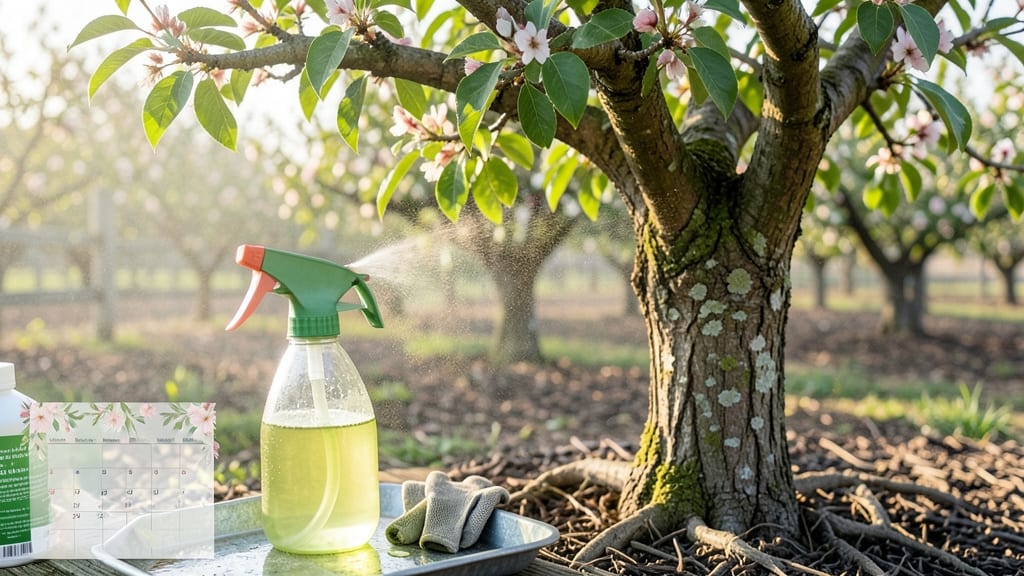
Spraying fruit trees at the wrong time can mean wasted sprays—or worse, inviting pests and diseases that ruin your harvest.
You’ve spent months nurturing your 🍎, only to watch aphids swarm or fungal spots spread because you missed the critical window. But timing isn’t just about "before pests arrive"—it’s about aligning sprays with your tree’s natural cycle, from dormant season oil applications to bloom-time pest control.
Get it wrong, and you might harm bees, stress the tree, or leave gaps in protection.
In this guide, I’ll break down the exact timing for dormant sprays (like copper or horticultural oil), bloom-season treatments (to stop codling moths or fire blight), and post-harvest cleanups—plus how climate zones shift those windows. No more guesswork, just actionable schedules to keep your trees thriving.
Ready to spray smarter? Here’s when to reach for the sprayer—and when to hold off for the best results.
Best spraying schedule by season: pest & disease prevention calendar
Spraying your fruit trees at the right time is like scheduling a doctor's visit—too early or too late, and you miss the critical window for protection. The key is understanding your tree's growth stages and matching sprays to pest/disease cycles.
For example, dormant season sprays target overwintering pests, while bloom-time applications protect against fungal diseases like fire blight.
Your spraying calendar should align with your climate zone and fruit tree variety. In USDA Zone 6a, for instance, early spring sprays (March-April) are crucial for apple and peach trees, while southern regions may start earlier.
Always check the last frost date—spraying too soon can harm emerging buds or beneficial insects.
Here’s your seasonal breakdown for organic and chemical sprays, including when to apply horticultural oils, fungicides, and insecticides for maximum effectiveness while protecting pollinators.
Your dormant season sprays (late fall to early spring) are the foundation of pest control. This is when horticultural oils smother overwintering eggs and fungicides prevent diseases like apple scab.
For example, a dormant oil spray in February (before buds swell) can eliminate 80% of scale insects before they become active.
Critical mistakes to avoid when spraying fruit trees (and how to fix them)
Spraying fruit trees at the wrong time can backfire—literally. Overlapping with bloom periods can kill bees, while skipping dormant season sprays leaves your tree vulnerable to winter pests.
Even overapplying chemicals risks burning foliage or contaminating fruit. These mistakes aren’t just costly; they can ruin your harvest before it even ripens.
I’ve seen fire blight spread rapidly because a grower waited until after bloom to spray, or codling moth infestations explode from missed timing. The key is understanding your tree’s growth stages and matching sprays to those windows. Let’s fix these common errors before they derail your season.
⚠️ Critical Spraying Mistake: Timing Sprays During Bloom
Why it’s deadly: Bees and other pollinators are most active during bloom, and many sprays—even organic ones—can harm them. Fungicides like copper or insecticides like carbaryl are particularly risky. A single application during peak bloom can kill up to 90% of local pollinators in your orchard.
How to fix it: Wait 2–4 weeks after bloom before applying broad-spectrum sprays. For organic growers, use horticultural oils or kaolin clay during bloom instead—they’re bee-safe and effective against pests like aphids.
Another costly error is missing the dormant season spray window. Many growers assume winter means no pests, but scale insects and overwintering fungal spores are still lurking.
If you skip this step, you’ll play catch-up all season long. Dormant oil sprays applied in late winter (just before buds swell) smother these pests before they wake up.
Let’s talk about overapplying chemicals, which is a silent killer of fruit quality. I’ve had clients bring me bitter, deformed fruit because they followed label rates too closely without accounting for tree size or weather conditions.
For example, a 20-foot apple tree doesn’t need the same amount of spray as a 50-foot peach orchard. Always reduce rates by 25–50% for small trees or use a sprayer with adjustable nozzles.
One fix I recommend is split applications. Instead of one heavy dose, break sprays into two lighter applications spaced 7–10 days apart. This reduces residue buildup while maintaining efficacy.
For example, copper fungicide for brown rot works better in two half-strength sprays than one full-strength one. Plus, it’s gentler on the tree’s foliar health.
Finally, ignoring weather forecasts can turn your spray into a waste of time—or worse, a hazard. Wind or rain within 24–48 hours of application can wash away your spray, leaving your tree unprotected. Always check the 5-day forecast before spraying.
If rain is coming, reschedule for a dry, calm day. Pro tip: Early mornings (before 8 AM) are ideal—lower temps reduce drift, and humidity helps sprays stick better.
By avoiding these timing traps, you’ll protect your tree, your pollinators, and your harvest.
Next time you reach for that spray bottle, ask: “Is this the right season, the right stage, and the right dose?” If the answer’s no, wait or adjust—your fruit (and your bees) will thank you. 🌱🐝