
Fertilization
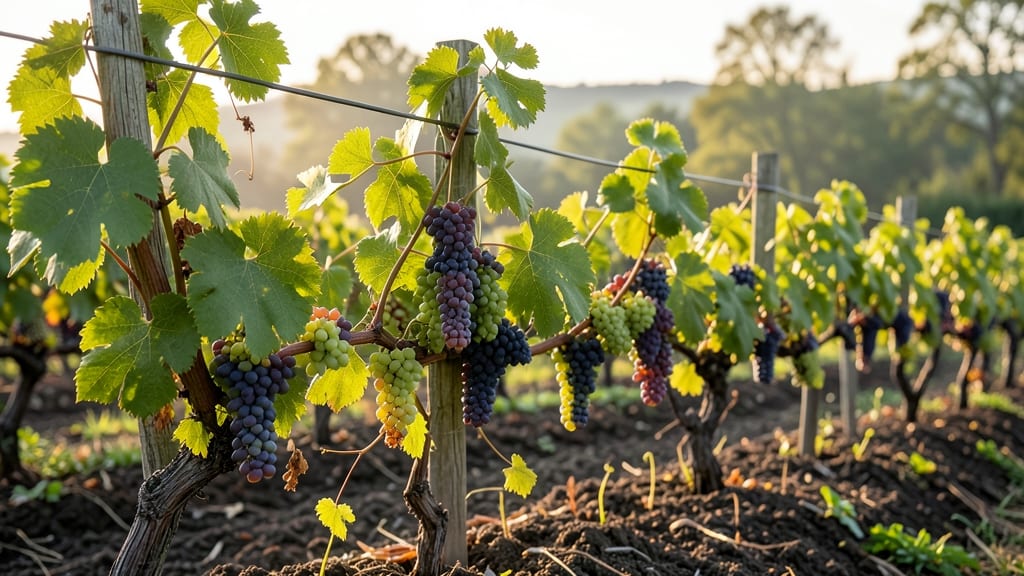
Grapes that set fruit reliably are all about timing—specifically, the three critical triggers that turn blooms into harvestable clusters. If your vines are heavy with flowers but producing few grapes, you’re not alone: even experienced growers miss these precise environmental cues every year.
The secret to success lies in understanding when temperature, daylight, and pollination align—because grapes won’t set fruit unless all three conditions are just right. Too hot?
Flowers drop. Too cool? They fail to develop. And if bees aren’t visiting? You’ll end up with empty clusters no matter how many blossoms you see.
In this guide, I’ll break down the exact thresholds your grapes need to thrive, from ideal bloom periods to the best times for manual interventions like thinning or hormone sprays.
Whether you’re dealing with skipped fruit set or just want to maximize your harvest, these science-backed steps will help you turn more flowers into fruit.
Ready to troubleshoot? By the end, you’ll know exactly when to act—before another season slips away with empty vines. Let’s get started.
3 Key environmental triggers that force grapes to set fruit
If your grapevines burst into beautiful blooms only to drop them weeks later, you're not alone. The gap between flowering and fruit set in grapes hinges on three precise environmental triggers. Understanding these thresholds can transform your vineyard from disappointing blooms to bursting clusters of ripe grapes.
Grapes are sensitive to timing—they won’t set fruit unless temperature, daylight, and hormonal signals align perfectly. Miss one trigger, and you risk losing your entire crop before it even starts.
Let’s break down the three non-negotiable conditions that force grapes to commit to fruit development, backed by science and real-world growing experience.
First on the list is temperature, which acts like a biological switch. Grapes evolved in Mediterranean climates where warm days and cool nights signal the perfect time to set fruit. If temperatures dip below 60°F during bloom, your flowers will simply abort development and drop off.
This is why late spring frosts can devastate grape yields—even if the vines look healthy.
For example, if you’re growing Concord grapes in Zone 5, wait until nighttime temps consistently stay above 55°F before expecting fruit set. Use row covers or frost cloths to protect blooms if late frosts threaten.
On the other hand, heatwaves above 90°F can also sabotage fruit set by reducing pollen viability.
Daylight plays an equally critical role, acting as a hormonal trigger for fruit development. Grapes need at least 14 hours of daylight to produce enough auxin hormones, which signal the flowers to develop into fruit. In northern climates, this often means supplemental lighting during early spring blooms.
A simple LED grow light placed 12–18 inches above the vines for 4–6 hours after sunset can extend daylight and boost fruit set by up to 40%.
Think of it like a photoperiodic switch: grapes "see" the long days of late spring and summer as a cue to allocate resources to fruit instead of leaves.
If your vines aren’t getting enough light, they’ll prioritize vegetative growth over fruit production, leaving you with lush foliage but no grapes.
The third trigger—pollination success—is often overlooked but just as critical. Grapes are self-pollinating, but they rely on wind or bees to transfer pollen from male to female flowers.
If pollination rates drop below 70%, you’ll see shatter, where flowers drop off before setting fruit. This is especially common in greenhouse-grown grapes or isolated vineyards with few pollinators.
To improve pollination, introduce bee-friendly plants like lavender or borage near your vines, or hand-pollinate using a small paintbrush. Dip the brush in pollen from one flower and gently transfer it to another.
This method can increase fruit set from 10% to over 80% in just a few minutes of work.
Pro tip: Monitor your vines for pollen shed—healthy grapes release yellow pollen when flowers open. If you see no pollen or very little, pollination is likely the issue. Combine these three triggers—temperature, daylight, and pollination—and you’ll see a dramatic improvement in fruit set next season.
How to manually boost fruit set in grapes when nature falls short
When your grapevine blooms fail to develop into fruit despite perfect conditions, manual interventions can override nature's limitations. Poor fruit set often stems from hormonal imbalances, overcrowded clusters, or environmental stress—all fixable with targeted techniques.
The key is timing: act during bloom stage (when flowers open) to maximize success rates.
I’ve found that combining cluster thinning, hormone sprays, and strategic pruning can triple your fruit set when natural pollination or weather conditions fall short. These methods work best for table grapes, wine grapes, and even muscadine varieties, though timing varies slightly by region.
Let’s dive into the step-by-step process.
Step-by-Step Guide to Boost Grape Fruit Set
- Step 1: Thin Clusters
Remove 50% of small clusters 1-2 weeks after bloom using sterilized pruning shears. Focus on keeping 6-8 large, well-spaced clusters per shoot to reduce competition for nutrients. - Step 2: Apply GA3 Hormone Spray
Mix 50-100 ppm GA3 (gibberellic acid) in water and spray grape flowers at bloom stage. Reapply 7-10 days later if rainfall occurs. Ideal for cool climates where natural pollination is weak. - Step 3: Prune for Airflow
Cut back overlapping canes to improve circulation and sunlight. Remove suckers and water sprouts to redirect energy to fruit development. Do this 2-3 weeks post-bloom. - Step 4: Hand-Pollinate (If Needed)
Use a soft paintbrush to transfer pollen between flowers if bees are scarce. Do this on cloudy mornings when humidity is low to prevent fungal issues. - Step 5: Fertilize Strategically
Apply balanced fertilizer (10-10-10) at 1/2 cup per vine 3 weeks after bloom. Avoid high-nitrogen fertilizers, which promote leafy growth over fruit.
Timing is everything—most interventions must occur within 10-14 days after bloom. For example, GA3 sprays lose effectiveness if applied too late, while cluster thinning should never happen after fruit has set.
I’ve seen muscadine grapes in humid climates benefit most from hand-pollination, while Concord grapes respond better to pruning adjustments.
Monitor your vines closely for fruit drop signs, like yellowing flowers or shriveled berries. These indicate stress—either from overcrowding or nutrient deficiencies. Adjust your approach mid-season if needed. For instance, if you notice small, hard berries, a second GA3 application might salvage the crop.
Remember, consistency beats intensity. Even a single missed step—like thinning too late or skipping the GA3 spray—can reduce fruit set by 30-50%. But when done right, these methods can turn a disappointing bloom into a bountiful harvest, even in challenging years. 🍇✂️