
Pruning
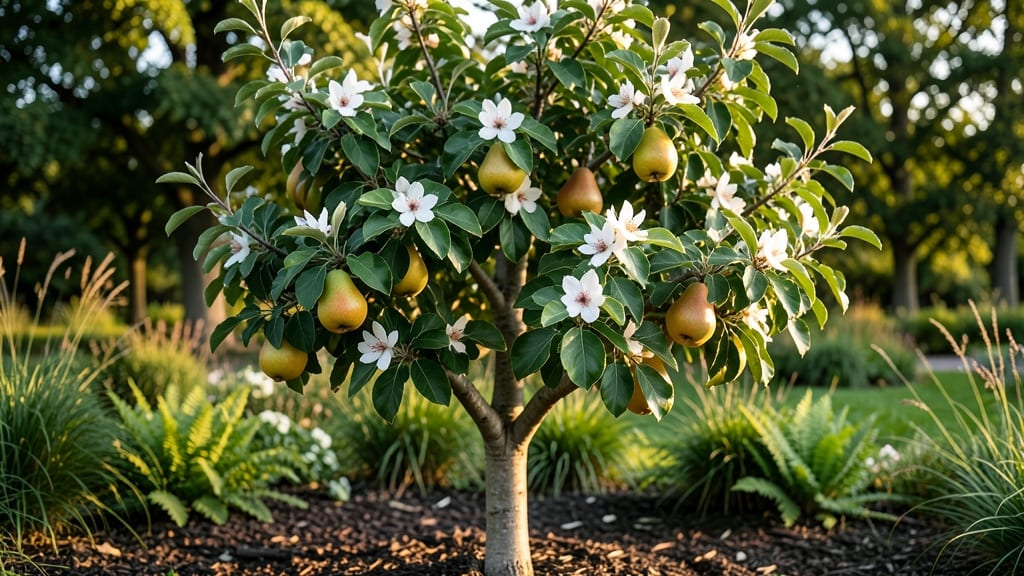
Growing an Asian pear fruit tree means juicy, crisp harvests that taste like summer all year long. 🌿 I’ve nurtured these trees for years, and the secret to their success isn’t just planting—it’s year-round pruning that keeps them productive and healthy.
The right cuts at the right time mean fewer diseases, better airflow, and fruit that’s sweeter than anything you’ll find in stores.
Start with the basics: a sunny spot, well-draining soil, and the right variety for your climate. Asian pears thrive in zones 5-9, but they need consistent care—especially when it comes to pruning.
I’ve learned that three key cuts—winter shaping, summer thinning, and light cleanup in fall—make all the difference. No fancy tools required, just sharp pruners and a little patience.
By the time harvest rolls around, you’ll be picking fruit that’s rich, honey-sweet, and packed with crunch. The trees reward careful pruning with abundant harvests for decades, and the process gets easier each year. Plus, the blossoms in spring are worth the work alone—pink or white, they’re a showstopper.
Whether you’re a beginner or a seasoned grower, this method works. The key is timing: prune too late or too early, and you’ll miss the sweet spot for next year’s fruit. Let’s get those branches trimmed right—your future harvest depends on it.
📚 In This Guide
- What you need
- Instructions
- Tips and common mistakes
- Wrapping up and next steps
What you need
- ● Pruning shears: Bypass pruners (sharp, 5- to 8-inch blades) for clean cuts on small branches.
- ● Loppers: 1 pair (18- to 24-inch handles) for thicker branches (up to 2-inch diameter).
- ● Pruning saw: A folding handsaw for stubborn, larger branches (over 2 inches).
- ● Gloves: Heavy-duty, cut-resistant gloves to protect hands from thorns and sharp tools.
- ● Disinfectant: 70% isopropyl alcohol or a 10% bleach solution to sterilize tools between cuts (prevents disease spread).
- ○ Sealing wax: Pruning sealant (optional but helpful for sealing cuts larger than ½-inch).
- ● Ladder: A stable, extendable ladder (8+ feet) for high branches.
- ● Trash bags: Heavy-duty bags for collecting pruned branches and debris.
- ● Knowledge: Basic understanding of Asian pear tree anatomy (e.g., identifying water sprouts, dead wood, or crossing branches).
- ● Weather check: Prune on a dry, cloudy day (avoid extreme heat or frost).
- ○ Optional: A pruning guide or app (e.g., iTree) for visual reference.
- ● Tree ties (for supporting young or damaged branches).
- ● Organic mulch (e.g., wood chips) to protect the root zone post-pruning.
Step-by-Step pruning guide for your Asian pear tree
Here's how I keep my Asian pear tree thriving with seasonal pruning that boosts fruit production.
✂️ Step 1: Late Winter Dormant Pruning (January-February)
Start by removing any dead, diseased, or crossing branches first—these compete with healthy growth. I always cut just outside the branch collar (that swollen area where the branch meets the trunk) to prevent wounds that invite pests. Use sharp, clean pruners to make clean cuts at a 45-degree angle about ¼ inch above a bud facing the outside of the tree.
Next, thin out about 20% of the oldest wood to improve airflow and sunlight penetration. Look for branches that are larger than your thumb in diameter—these are the ones that need priority attention. Asian pears respond well to open-center shaping, so aim to create a vase-like structure with a strong central leader and evenly spaced scaffold branches.
Here's the thing—don't overdo it. If you remove too much at once, the tree will struggle to produce fruit that season. I limit myself to no more than 30% of the canopy total during this first pruning. Watch for water sprouts (those fast-growing vertical shoots) and remove them completely—they drain energy from fruit production.
☀️ Step 2: Summer Light Pruning (June-July)
After the initial spring flush of growth, focus on shaping the tree and encouraging more fruiting wood. I look for branches that are growing inward or rubbing against others—these need immediate attention to prevent bark damage. Make your cuts just above an outward-facing bud to encourage new growth in the right direction.
This is also when I do my fruit thinning. Leave about 6-8 inches between fruit clusters to prevent overcrowding, which leads to small, poor-quality pears. Remove any misshapen or damaged fruit now while they're still small. You'll see the remaining fruit swell noticeably within 4-6 weeks—that's your signal the tree is directing energy where you want it.
Don't skip this step (I learned the hard way). Overloaded branches often break under the weight of fruit, and the remaining pears will be undersized. Thin aggressively if your tree is young—it rewards you with larger, higher-quality fruit later.
⏰ Step 3: Post-Harvest Cleanup (October-November)
After harvest, focus on removing any remaining fruit clusters and deadheading spent blossoms. This signals the tree to redirect energy into root development and winter hardening. I also remove any suckers growing from the base—these are the tree's attempt to create new trunks and waste valuable resources.
Take this opportunity to evaluate the tree's structure. Look for branches that are growing too upright or downward—these need correction to maintain an open vase shape. Make your cuts just above a bud that will encourage growth in the desired direction. Asian pears grow well with an open center, so aim to keep the lower branches removed to improve access and airflow.
Apply a thin layer of mulch around the base (but not touching the trunk) to protect roots from winter temperature swings. I use about 2-3 inches of organic mulch spread evenly in a donut shape around the drip line. This helps retain moisture and insulates roots during cold snaps.
🌱 Step 4: Winter Protection (December-February)
If you're in a colder climate, wrap the trunk with tree wrap or burlap to protect against sunscald and rodent damage. I also install a protective cage around young trees to prevent deer browsing. For established trees, focus on clearing away any debris from the base—this prevents fungal diseases from overwintering.
This is the time to plan your pruning strategy for next year. Take photos of your tree from multiple angles to evaluate its structure. Look for areas where branches are too dense or where sunlight might be blocked. Mark these spots with flags if needed—you'll want to address them during next winter's dormant pruning.
Real talk: Asian pear trees respond best to gradual pruning changes. Don't try to fix everything at once. Over-pruning stresses the tree and can reduce next year's fruit set. I aim for small, incremental improvements each season—this keeps the tree healthy and productive for decades.
Tips & tricks for year-round Asian pear tree care
These practical insights will help you maintain a healthy, productive Asian pear tree throughout every season.
Tool Preparation: Always disinfect your pruning tools with rubbing alcohol or a 10% bleach solution before each use. I learned this the hard way after spreading fungal diseases between cuts. Sharp tools make cleaner cuts that heal faster, so take 5 minutes to hone your pruners before starting. A clean cut at a 45-degree angle just outside the branch collar prevents pests from entering wounds.
Seasonal Pruning Strategy: In Step 1, when thinning 20% of the oldest wood, prioritize branches that are larger than your thumb in diameter. These thick branches compete for energy with fruit production. For summer pruning in Step 2, focus on creating an open center—this improves airflow and sunlight penetration, which are critical for fruit quality. The 6-8 inch spacing between fruit clusters isn't arbitrary; it allows each pear to reach its full size potential.
Visual Growth Indicators: After fruit thinning in Step 2, watch for fruit swelling within 4-6 weeks—this confirms your tree is directing energy where you want it. If you notice fruit remaining small after this period, you may need to thin more aggressively next season. For winter protection in Step 4, look for signs of rodent activity like gnaw marks on the trunk; these are your warning to install protective measures immediately.
Mulch Application: When adding 2-3 inches of organic mulch in Step 3, create a donut shape around the drip line but keep it away from the trunk. This prevents moisture buildup that can cause rot while still insulating roots. I've found that wood chips work best—they break down slowly and improve soil structure over time. Replenish mulch annually to maintain this protective layer.
Pro Tips for Asian Pear Fruit Tree
- These practical insights will help you maintain a healthy, productive Asian pear tree throughout every season.
- Tool Preparation: Always disinfect your pruning tools with rubbing alcohol or a 10% bleach solution before each use.
- Seasonal Pruning Strategy: In Step 1, when thinning 20% of the oldest wood, prioritize branches that are larger than your thumb in diameter.
Frequently asked questions
When is the best time to prune an Asian pear tree?
The ideal time is late winter or early spring (before buds swell), but you can also do light pruning in summer to shape the tree. Avoid heavy pruning in fall, as it can stimulate new growth that may not harden off before winter. Pro tip: If your tree is young, prioritize structural pruning in its first few years!
How much should I prune my Asian pear tree each year?
Remove about 20-30% of the tree’s total branches annually to maintain health and fruit production. Focus on:
- Dead, diseased, or crossing branches
- Suckers or water sprouts
- Overcrowded growth
Can I prune an Asian pear tree in summer?
Yes! Light summer pruning (after harvest) helps control size and improve airflow. However, avoid heavy cuts—this can stress the tree. If you notice suckers or aggressive new growth, trim them back by ⅓ to ½ to redirect energy to fruit production.
What if my Asian pear tree isn’t fruiting after pruning?
Check these common issues:
- Age: Young trees (under 3-5 years) may need patience.
- Pollination: Asian pears often require cross-pollination—plant a second variety nearby.
- Over-pruning: Too many cuts can reduce flowering. Balance pruning with thinning (removing excess fruit) to boost yield.
Are there alternatives to traditional pruning for Asian pears?
While pruning is essential, consider these complementary methods:
- Thinning fruit: Remove excess pears (when golf-ball sized) to improve size and quality.
- Mulching: Apply organic mulch to retain moisture and reduce stress.
- Dwarf varieties: If space is limited, choose compact cultivars like ‘Korean Giant’ for easier management.
Wrapping up and next steps
Growing an Asian pear fruit tree with year-round pruning isn’t just about technique—it’s about patience, observation, and a little love for your orchard. 🌱 By mastering the art of strategic cuts, you’ll unlock bountiful harvests and healthier trees for seasons to come.
Whether you’re trimming for shape, light, or fruit production, remember: small, consistent efforts yield big rewards.
Ready to take the next step? Start small—pick one pruning session this season to practice your skills, then gradually expand. Before you know it, your Asian pear tree will be thriving, and you’ll be the proud grower of delicious, homegrown fruit! 🍐✨