
Blooming
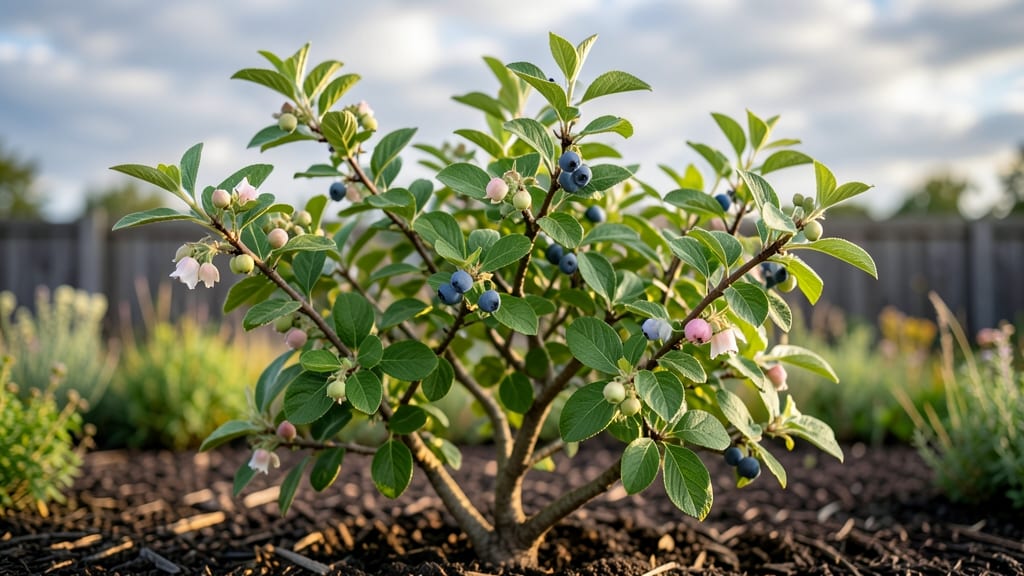
When selecting B-fruits for your garden, blueberries, blackberries, boysenberries, and bananas stand out for their adaptability to different climates—cool-season berries thrive in temperate zones, while bananas flourish in warmer regions—each delivering abundant harvests and rich nutritional benefits.
If you're looking to grow B-fruits, the key is matching each variety to your local climate and soil conditions. 🌱 Blueberries, for example, demand acidic soil (pH 4.5-5.5) and partial shade, making them perfect for northern gardens, while blackberries and boysenberries tolerate a wider range of soils but need strong sunlight.
Bananas, on the other hand, crave tropical warmth and humidity—ideal for USDA zones 10-11 or containers that can be moved indoors during winter. I’ve found that even in cooler regions, dwarf varieties like 'Top Hat' blueberries or 'Cheyenne' blackberries can thrive in containers, offering a compact solution for small spaces.
What sets these B-fruits apart is their versatility—whether you're aiming for a high-yield harvest or a low-maintenance addition to your garden. Blueberries and blackberries reward patient gardeners with years of production, while bananas can produce fruit within a single growing season if given the right conditions.
The trade-off? Berries require regular pruning and pest management, while bananas need consistent moisture and protection from frost. For beginners, starting with a few blueberry bushes or a compact blackberry variety might be the easiest way to dip your toes into B-fruit gardening!
💡 In This Article
- Climate Zones and Growing Conditions for B-Fruits
- Top B-Fruit Varieties for Small vs Large Gardens
Climate zones and growing conditions for B-fruits
Blueberries are the most finicky of the B-fruits when it comes to soil conditions. They absolutely demand acidic soil with a pH between 4.5 and 5.5—think of it as their version of a spa treatment.
The roots release organic acids that help maintain this acidity, but you'll still need to amend your soil with peat moss or sulfur if your local soil tests higher.
In cooler climates (USDA zones 3-6), varieties like 'Bluecrop' thrive with 10-12 hours of sunlight daily and can handle light frosts, while southern varieties need protection from intense summer heat.
Blackberries and boysenberries are more adaptable but still have clear preferences. They prefer well-draining soil with a pH of 5.5-6.5 and 6-8 hours of full sun, making them suitable for zones 5-9. The key difference?
Blackberries can handle drier conditions, while boysenberries (a hybrid of blackberry, raspberry, and loganberry) need consistent moisture. Both benefit from trellising to improve air circulation and reduce disease risk.
In warmer zones (8-10), you'll want to plant them in partial shade during peak afternoon heat to prevent sunburn on the canes.
Bananas take the tropical crown among B-fruits, requiring USDA zones 10-11 or container growing that can be moved indoors during winter. They crave warmth (75-85°F), high humidity (60%+), and 6-8 hours of bright, indirect sunlight daily.
The soil should be rich, well-draining, and slightly acidic (5.5-6.5 pH). What's fascinating is how bananas grow—each pseudostem produces one bunch of fruit, then dies back, making them a seasonal producer in cooler climates.
In containers, you can overwinter them in a garage or basement with just enough light to keep them alive.
Seasonal care makes all the difference with these B-fruits. Blueberries need winter protection in colder zones, like mulching or frost blankets, while blackberries benefit from late-winter pruning to remove old canes. Bananas, however, require regular watering (1-2 inches per week) and monthly feeding with potassium-rich fertilizer to support fruit development.
The trade-off? Berries give you multiple harvests per season, while bananas offer one big payoff if you create the right conditions.
Here's what most gardeners overlook: microclimates matter. A south-facing wall can extend your growing season by 2-4 weeks for berries, while a greenhouse or cold frame lets you grow bananas in zones as cold as 8 with proper insulation.
I've seen container-grown blueberries in zone 4 gardens thrive near heat-retaining brick walls—proof that with the right adjustments, these B-fruits can adapt to nearly any space.
For those in transition zones (like zone 7-8), consider seasonal varieties. Early-season blackberries like 'Triple Crown' produce fruit before summer heat peaks, while late-season varieties handle the humidity better.
Banana lovers in these zones should opt for dwarf varieties like 'Dwarf Brazilian' that can be brought indoors when temperatures drop below 50°F. The secret? Matching your variety to your last frost date and heat tolerance.