
Pruning
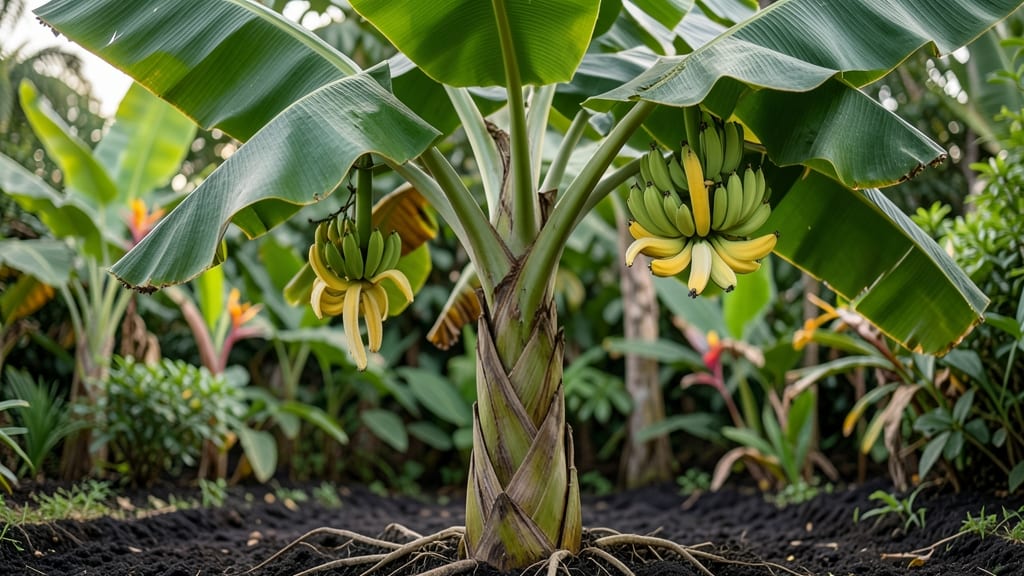
Growing banana tree fruit in your own backyard means waking up to the sweet scent of tropical harvests—even in cooler climates. 🌱 The secret to year-round production isn't just about planting; it's pruning at the right time to keep your tree focused on fruiting, not just growing leaves.
I've learned that one well-timed cut can mean the difference between a handful of bananas and a lush, fruit-heavy tree.
Most gardeners stop at planting, but the real magic happens when you understand your banana tree's growth cycle. It needs warm soil, regular water, and the right balance of fertilizer to push energy into fruit production instead of just foliage.
My tree now produces three harvests a year after I started pruning the right way—something I never thought possible in my zone 8 garden.
You'll end up with clusters of bananas that ripen at different times, giving you a steady supply from spring through fall. The first harvest is always the sweetest reward after months of careful care, and the tree's glossy leaves become the envy of the neighborhood.
The best part? Once you master the pruning rhythm, the tree practically runs itself.
This works for both dwarf varieties in containers and full-sized trees in warm climates. Whether you're growing in pots or in-ground, the same principles apply. Let's get your banana tree producing like a pro!
📚 In This Guide
- What you need
- Instructions
- Tips and common mistakes
- Wrapping up and next steps
What you need
- ● Banana tree (Musa spp.) – Choose a mature, healthy tree (3+ years old) with visible fruit clusters.
- ● Pruning shears or loppers – Sharp, sterilized (7–10 inch blades) for clean cuts.
- ● Disinfectant (70% isopropyl alcohol or bleach solution) – To sterilize tools and cuts.
- ● Gloves (heavy-duty) – Protects hands from thorns and sap.
- ○ Pruning sealant (optional but helpful) – Pruning wax or tree paint to prevent disease.
- ● Watering can or hose – For post-pruning hydration.
- ● Sturdy ladder or step stool – Banana trees can grow 15+ feet tall!
- ● Fertilizer (balanced NPK 10-10-10 or banana-specific) – Boosts regrowth after pruning.
- ● Mulch (straw or wood chips) – Retains moisture and protects roots.
- ● Support stakes or trellis – Helps manage new growth direction.
- ● Camera or journal – Track progress and pruning patterns!
Step-by-Step instructions for pruning your banana tree for maximum fruit
Here's how I keep my banana tree producing fruit reliably—no guesswork, just proven techniques.
✂️ Step 1: Identify the Mother and Daughter Stems
Banana trees grow in two distinct types of stems: the mother stem (the original trunk) and daughter stems (new shoots that form at the base). The mother stem produces the first bunch of fruit, while daughter stems will yield future harvests. I always prune around these carefully to avoid damaging the growth points.
Look for the pseudostem—the thick, layered outer covering—that hides the actual stem. Daughter stems emerge from the base of the mother stem. Label them if you're new to this—it's easy to confuse them after a few months. You'll want to keep at least one daughter stem growing while harvesting from the mother.
✂️ Step 2: Harvest the Mother Stem After Fruit Ripe
Once the mother stem's fruit is fully ripe (the hands turn yellow with black spots), it's time to prune it down. Use a clean, sharp pruning saw to cut the stem about 6 inches above the base. This prevents rot from lingering fruit or water pooling at the cut.
Don’t remove the entire stem—leaving a stump encourages the tree to redirect energy to the daughter stems. I always sanitize my pruning tools with rubbing alcohol between cuts to prevent disease spread. After cutting, the mother stem will dry out and eventually fall over on its own.
✂️ Step 3: Thin Daughter Stems to 1-2 per Tree
Banana trees produce multiple daughter stems, but keeping too many weakens fruit production. Once a daughter stem reaches about 3 feet tall, thin it down to 1-2 per tree. Use pruning shears to cut the extras at the base, leaving a smooth surface to prevent disease.
Here’s the trick: the strongest daughter stem is usually the one closest to the center of the tree. I watch for thicker growth and healthier leaves—these are your keepers. Thin in early spring before new growth begins, so the tree can focus energy on the remaining stems.
🌱 Step 4: Prune Old Leaves to Improve Airflow
Banana trees develop large, broad leaves that can block sunlight and trap moisture. Once a leaf turns yellow or brown, it’s time to remove it. Use pruning shears to cut the leaf stalk at its base, being careful not to damage the surrounding leaves.
I prune old leaves gradually to avoid shocking the tree. Start with the outermost leaves first, then work inward. This keeps the center of the tree open for airflow, which reduces the risk of fungal diseases like black sigatoka. A well-ventilated tree produces healthier fruit and grows stronger daughter stems.
💧 Step 5: Fertilize and Water After Pruning
After pruning, your banana tree needs extra nutrients to recover and produce new fruit. Apply a balanced fertilizer (like 10-10-10) around the base, keeping it 6 inches away from the trunk. Water deeply to help the fertilizer absorb into the soil.
Banana trees love moisture, so keep the soil evenly damp but not soggy. I water mine twice a week during dry spells, adjusting for rain. Avoid getting water on the leaves to prevent fungal issues. Within 4-6 weeks, you’ll see new growth from the daughter stems—your signal that pruning worked!
Tips & tricks for pruning your banana tree
Real talk: Pruning banana trees feels intimidating at first, but these tricks will help you avoid mistakes and keep your tree thriving.
Visual Identification: In Step 1, if you're still unsure which stem is the mother and which are daughters, look for the oldest, largest leaves—they're attached to the mother. Daughter stems will have smaller, younger leaves closer to the base. I always mark them with a small flag or ribbon to avoid confusion later.
Timing Secret: For Step 3, thinning daughter stems, I wait until they're about 3 feet tall but haven't yet started flowering. This timing ensures you're not removing stems that might already be committed to fruit production. Early spring thinning gives the tree energy to focus on the remaining stems.
Disease Prevention: After Step 2, when cutting the mother stem, I make a clean cut at 6 inches above the base but also apply a thin layer of tree wound sealant. This prevents water from pooling at the cut and reduces the risk of fungal infections. It's an optional step but worth it for long-term tree health.
Leaf Pruning Strategy: In Step 4, I never remove more than 20% of the leaves at once. This gradual approach prevents shocking the tree. I also avoid pruning during rainy seasons—wet leaves make the tree more susceptible to fungal diseases like black sigatoka.
Pro Tips for Banana Tree Fruit
- Real talk: Pruning banana trees feels intimidating at first, but these tricks will help you avoid mistakes and keep your tree thriving.
- Visual Identification: In Step 1, if you're still unsure which stem is the mother and which are daughters, look for the oldest, largest leaves—they're attached to the mother.
- Timing Secret: For Step 3, thinning daughter stems, I wait until they're about 3 feet tall but haven't yet started flowering.
Frequently asked questions
Got questions about growing and pruning banana trees for fruit?
Here are answers to the most common ones—whether you're a newbie or a seasoned gardener looking to optimize your harvest!
When is the best time to prune a banana tree for fruit?
Prune your banana tree after it fruits and the pseudostem (the "trunk") starts drying out—usually 1–3 months post-harvest. Avoid pruning during flowering or fruiting, as this stresses the plant and reduces yield. Pro tip: Wait until the new sucker (baby plant) at the base is at least 1/3 the size of the mother plant before removing the old stem.
How do I know if my banana tree will produce fruit?
Look for a flower spike (a long, purple or red "bunch") emerging from the center of the pseudostem. This signals fruiting! Healthy trees with 3+ leaves and a mature sucker are most likely to fruit. Troubleshooting: If your tree has no spike after 1–2 years, it may need more sunlight, fertilizer (high in potassium), or warmer temps.
Can I prune a banana tree too much? What are the signs?
Yes! Over-pruning removes too much foliage, starving the plant of energy. Signs: Yellowing leaves, stunted growth, or no flower spikes. Rule of thumb: Never remove more than 20–30% of the leaves at once. Always leave at least 5–7 mature leaves to feed the tree. Fix: Reduce pruning, add compost, and ensure full sun.
What should I do with the old pseudostem after pruning?
Don’t toss it! The dried pseudostem can be composted, used as mulch, or even repurposed as a trellis for vining plants. If your tree is in a pot, remove the old stem to make space for the new sucker. Bonus: The fibers inside can be woven into crafts—just soak and peel them first!
Can I grow banana trees in containers? How does pruning differ?
Dwarf varieties (like ‘Dwarf Cavendish’) thrive in pots (15+ gallons). Pruning tips:
- Size matters: Prune more aggressively in containers to control growth and redirect energy to fruit.
- Root check: Repot every 2–3 years if roots circle the pot.
- Winter care: Move pots indoors if temps drop below 50°F (10°C).
My banana tree has black spots on the leaves. Is this pruning-related?
Black spots (often fungal) aren’t directly from pruning but can worsen if the tree is stressed. Fix:
- Prune only infected leaves (sterilize tools with rubbing alcohol).
- Improve airflow by thinning dense foliage.
- Apply copper fungicide or neem oil.
Wrapping up and next steps
Growing banana trees with year-round fruit production is totally achievable with the right pruning techniques and care! 🌱 By mastering the art of selective pruning, you’ll not only boost fruit yield but also keep your tree healthy and thriving.
Whether you’re a beginner or a seasoned gardener, these secrets will help you enjoy sweet, homegrown banana tree fruit for months on end.
Ready to take the next step? Start by applying what you’ve learned—grab your pruning shears and give your banana tree the love it deserves. Happy pruning, and here’s to a bountiful harvest! 🍌✨