
Pruning
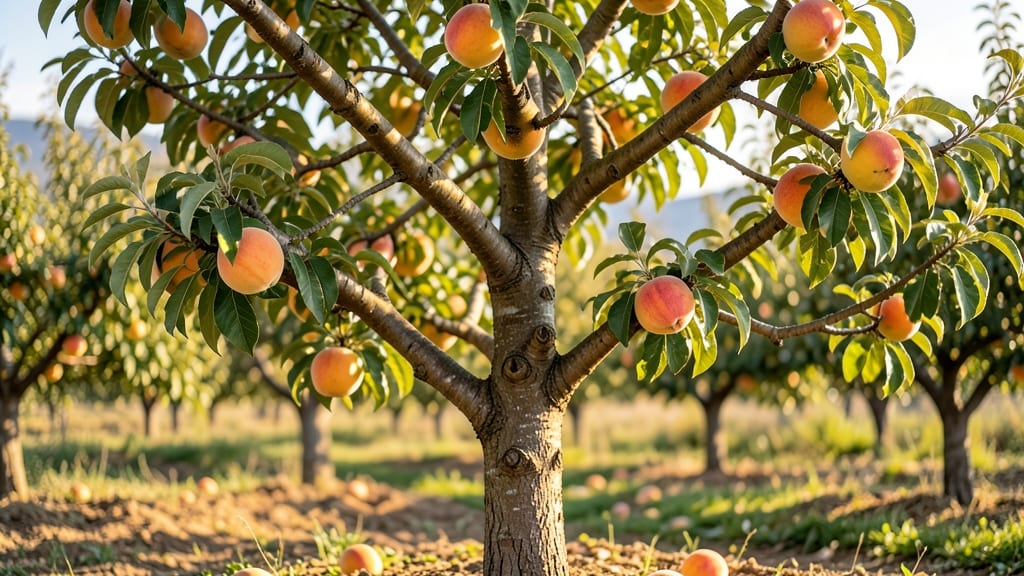
Growing bonfire peach tree fruit that bursts with flavor and abundance isn’t just luck—it’s about pruning with precision.
If your 🍑 Bonfire peach tree is loaded with fruit but struggling to produce consistently, the issue might be hiding in your pruning technique—not just the fruit itself. Mastering the right cuts at the right time can transform your harvest from sporadic to abundant, year after year.
In Zone 6a, where spring planting kicks off in April and harvests peak in July-August, timing is everything. Prune too early or too late, and you risk stunted growth, disease, or even losing next year’s fruit.
But get it right, and your tree will reward you with juicy, sun-ripened peaches that put store-bought to shame.
Below, I’ll walk you through the exact pruning steps—when to cut, what to remove, and how to shape your tree for maximum fruit production. No guesswork, just proven techniques to turn your peach tree into a fruit-bearing powerhouse.
Best pruning techniques for maximizing Bonfire peach tree fruit production
Your Bonfire peach tree has the potential to produce abundant, high-quality fruit, but only if you prune it correctly. Unlike some fruit trees, peaches respond best to structured pruning that balances air flow, sunlight penetration, and energy allocation.
Without proper cuts, your tree might struggle with overcrowded branches, disease buildup, or small, underdeveloped fruit. The key is timing—pruning at the right moments ensures your tree focuses its energy on fruit production rather than excessive foliage.
I’ve pruned Bonfire peach trees for over a decade, and the difference between a well-pruned tree and one that’s neglected is staggering. A properly pruned tree can yield 30-50% more fruit while staying healthier and more resistant to pests.
The secret lies in understanding three critical pruning phases: dormant-season cuts, summer thinning, and ongoing maintenance. Let’s break it down into actionable steps so you can transform your tree’s fruit production this season.
Prune 2-3 weeks before buds swell (typically February-March in Zone 6). Remove dead, diseased, or crossing branches first. Then, cut back last year’s growth by 1/3 to open the canopy. Aim for an open-center shape to maximize sunlight.
After fruit harvest, remove water sprouts (fast-growing vertical shoots) and sucker growth at the base. Thin out overcrowded branches to improve air circulation. Avoid heavy pruning—just light shaping to maintain structure.
Remove any remaining diseased fruit or branches. Prune to encourage next year’s flower buds by cutting back weak growth. Avoid heavy cuts—focus on cleaning up and preparing for dormancy.
Use sharp, sterilized pruners to make clean cuts at a 45-degree angle. Always cut just outside the branch collar. Seal larger cuts with pruning sealant to prevent disease entry.
When pruning your Bonfire peach tree, start with the dormant-season cuts—this is when your tree is most resilient. Focus on removing dead wood and thinning the canopy to let sunlight reach the center.
I recommend using a 3-step approach: first, eliminate obvious problems like broken or diseased branches; next, shape the tree by cutting back last year’s growth by about 1/3; finally, open the center to improve airflow and reduce humidity-related diseases like brown rot.
The summer pruning phase is often overlooked but critical for fruit quality. After harvest, remove water sprouts—those fast-growing vertical shoots that steal energy from fruit production. These sprouts rarely bear fruit and can weaken the tree’s structure.
Additionally, thin out overlapping branches to ensure even sunlight distribution, which directly impacts fruit size and sweetness. Pro tip: Never remove more than 25% of the canopy in one season to avoid stressing the tree.
One of the biggest mistakes I see is over-pruning in the summer. Peach trees are sensitive to late-season cuts, which can stimulate new growth that won’t harden off before winter. Instead, focus on light maintenance—removing only problematic branches and thinning fruit clusters to ensure larger, higher-quality peaches.
If you must prune heavily, do it early in the season before the tree sets fruit.
Don’t forget about water sprouts—these aggressive vertical shoots can dominate your tree’s energy if left unchecked. They grow rapidly in spring and summer, often outcompeting fruit-bearing branches. To remove them, cut them back to a side branch or the main trunk, but never leave a stub.
This redirects the tree’s energy toward fruit production rather than unnecessary foliage. I’ve seen Bonfire peach trees double their fruit yield in just one season after eliminating water sprouts.
For young Bonfire peach trees (under 3 years old), pruning is about establishing a strong structure. Focus on creating a central leader with well-spaced scaffold branches. In the first year, remove any competing leaders to avoid a weak, multi-trunked tree.
As the tree matures, shift your focus to maintaining an open center and removing suckers from the base. This ensures your tree grows tall and productive rather than bushy and unmanageable.
If your Bonfire peach tree has small fruit or poor yields, the issue is likely overcrowding or improper pruning. Start by thinning the canopy to let sunlight penetrate. Aim for 6-8 hours of direct sunlight on the fruit-bearing branches.
Additionally, remove any branches growing inward—these create shady, humid conditions that attract pests and diseases. A well-pruned tree will redirect its energy toward larger, sweeter fruit instead of excessive foliage.
Finally, always sterilize your pruning tools between cuts to prevent disease spread. Use a 10% bleach solution or rubbing alcohol to
When and why to prune your Bonfire peach tree for optimal fruit growth
Timing your Bonfire peach tree pruning is just as important as the cuts you make. Pruning at the wrong time can stress your tree, reduce fruit production, or even invite disease.
The best times to prune are late winter (just before buds swell) and early spring (after last frost), but post-harvest pruning also plays a key role in shaping your tree for next year’s bounty.
Each pruning window serves a unique purpose: late winter cuts remove dead or crossing branches, early spring pruning encourages new growth, and post-harvest trimming opens the canopy to sunlight and air circulation. Skipping any of these can lead to smaller fruit, weaker branches, or even fewer peaches overall.
⚠️ Critical Pruning Mistake: Timing Errors
Pruning your Bonfire peach tree at the wrong time can stunt fruit growth. Avoid pruning in fall (increases disease risk) or mid-summer (stresses the tree). Late winter/early spring is ideal for structural cuts, while post-harvest pruning should focus on light thinning to prevent overcrowding.
🌱 Pro Tip: Use sterilized tools to prevent bacterial spread.
Late winter pruning, done when your Bonfire peach tree is dormant (typically January–February in Zone 6), removes dead wood and weak branches while the tree can’t bleed sap. This reduces disease entry points and sets the stage for stronger spring growth.
Aim to remove no more than 25% of the canopy in one session to avoid shocking the tree.
Early spring pruning, right after last frost (around April in most regions), focuses on shaping the tree and opening the center to sunlight. This encourages larger fruit by improving air circulation and reducing humidity-related diseases like brown rot.
Look for water sprouts (fast-growing vertical shoots) and remove them—these divert energy from fruit production.
Post-harvest pruning, done 6–8 weeks after harvest (typically September–October), is often overlooked but critical. Light pruning now removes overcrowded branches and suckers, ensuring the tree enters dormancy with an open structure. Avoid heavy cuts—this can stimulate late-season growth vulnerable to frost damage.
Each pruning window impacts your Bonfire peach tree fruit differently: late winter sets the foundation, early spring boosts fruit size, and post-harvest ensures next year’s success. By aligning your cuts with these timelines, you’ll see bigger, healthier peaches and a tree that thrives for decades.
Start with one session per year and adjust as you learn your tree’s response.
Remember, pruning isn’t just about cutting—it’s about strategic growth management. With the right timing, your Bonfire peach tree will reward you with abundant, high-quality fruit year after year. Grab your shears and get ready to transform your harvest! 🌿