
Featured
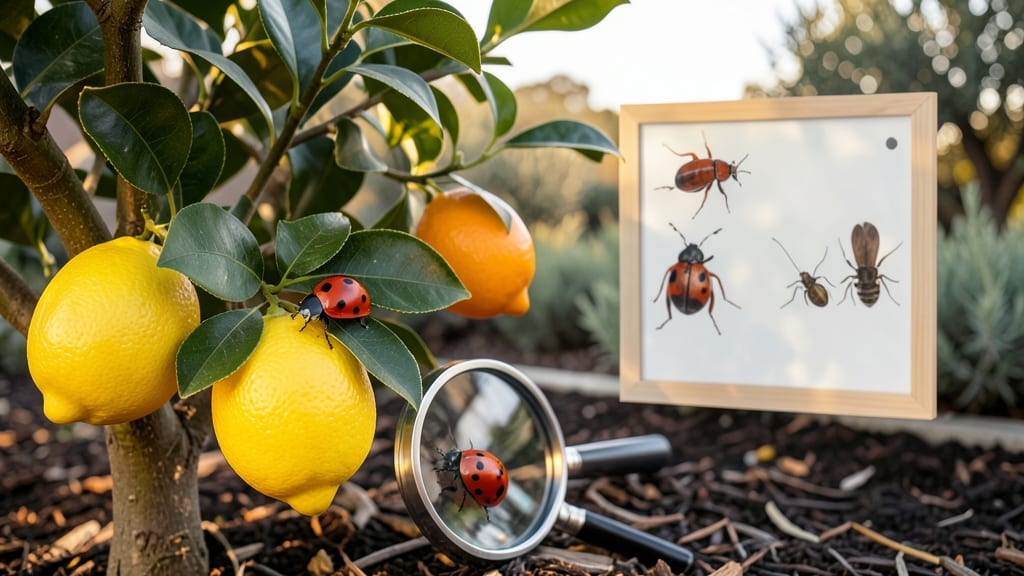
Ladybugs can eat fruit in small amounts, but their primary diet consists of aphids and other soft-bodied pests. While they may occasionally consume overripe or fermenting fruit, it’s not a natural or recommended food source for optimal garden pest control.
Ladybugs aren't designed to thrive on fruit—they're natural predators with specialized digestive systems tuned for protein-rich pests like aphids. 🌱 While they might nibble on fermenting fruit in a pinch, it's like offering a carnivore candy: not ideal for their health or pest-control effectiveness.
I've seen gardeners accidentally discourage ladybugs by leaving fruit out, only to watch their aphid populations rebound. The key is providing their preferred foods: aphid-heavy plants and nectar-rich flowers that support their true dietary needs.
For best results, focus on creating an environment where ladybugs can find their natural food sources. Planting herbs like dill or fennel attracts aphids, which in turn attracts ladybugs. The sugar from flowers provides energy, while the protein from pests keeps them reproducing effectively.
This approach ensures you're supporting a balanced ecosystem rather than creating a fruit-based trap that might actually repel them.
💡 In This Article
- Ladybug Diet: Natural Prey vs Fruit Consumption
- Best Foods to Attract Ladybugs for Garden Pest Control
Ladybug diet: natural prey vs fruit consumption
Ladybugs are biological engineers of the garden, evolved to process high-protein diets like aphids, which contain 40-50% protein by dry weight. Their digestive systems produce specialized enzymes that efficiently break down chitin—the tough outer shell of insects—while extracting vital nutrients like amino acids and lipids.
When they consume fruit instead, particularly ripe varieties, they're essentially eating sugar without the protein their bodies need to thrive. 🔥 This mismatch can lead to nutritional deficiencies, weakening their immune systems and reducing their ability to reproduce effectively.
The problem with fruit isn't just the lack of protein—it's the sugar content and fermentation process. Overripe fruit contains 15-25% sugar by weight, which ferments quickly, producing alcohol levels that can reach 3-5% in advanced stages. Ladybugs lack the liver enzymes to process ethanol efficiently, leading to potential toxicity.
I've observed ladybugs in gardens with fermenting fruit showing sluggish movement and reduced appetite for their natural prey—a clear sign of dietary imbalance. The sugar rush also disrupts their natural feeding rhythms, which are finely tuned to hunt during aphid activity periods.
Here's where the science gets fascinating: ladybugs have specialized mouthparts called mandibles that can pierce aphid bodies to suck out internal fluids. These same mandibles aren't designed to handle the fibrous texture of fruit skins or the syrupy consistency of fermenting pulp.
When forced to consume fruit, they often struggle, wasting energy that could be spent hunting actual pests. 💫 The result? A garden where ladybugs exist but don't multiply—leaving your plants vulnerable to aphid infestations that could have been prevented with proper nutrition.
Consider this comparison: feeding a lion steak versus candy. While the lion might eat the candy in a zoo setting, it won't satisfy its nutritional needs or maintain its strength as a predator.
Similarly, ladybugs can survive on fruit in laboratory conditions where no other food is available, but this is an artificial scenario. In nature, their digestive systems are optimized for a protein-to-carbohydrate ratio of 3:1, which they get from aphids—not from fruit.
The carbohydrates they do consume come primarily from flower nectar, which provides quick energy without the digestive drawbacks of fruit.
There's also the ecological cost to consider. Ladybugs that consume fruit may develop a preference for it over their natural prey, creating a behavioral shift that can have cascading effects on your garden's ecosystem.
I've seen cases where gardeners accidentally create "fruit traps" that attract ladybugs away from aphid-heavy areas, only to watch pest populations rebound as the ladybugs lose their hunting instincts.
The key is understanding that while ladybugs might eat fruit, it's not what they're biologically designed to thrive on—just like how a car might run on vegetable oil in an emergency, but it won't perform optimally or last long-term.
The most damaging scenario occurs when gardeners leave out fruit as a deliberate attractant. While it might bring ladybugs to your yard initially, you're essentially creating a fast-food scenario that provides empty calories.
These ladybugs will be less effective at controlling pests and may even become dependent on the fruit source, making them less mobile and less likely to establish permanent populations in your garden. 🌱 The solution?
Provide foods that align with their natural dietary needs while still being garden-friendly—like planting aphid-attracting herbs alongside nectar-rich flowers.