
Fertilization
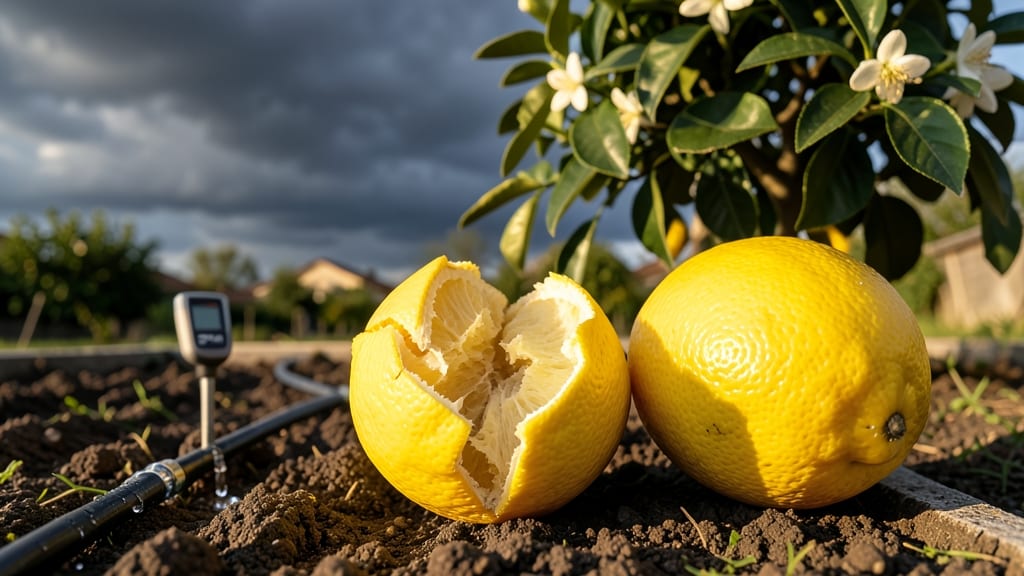
Citrus fruit cracking ruins harvests faster than you can say "lemonade." 🌱 I’ve watched entire batches of oranges and grapefruits split open from stem to peel—until I learned these three foolproof fixes that stop it dead in its tracks. The root cause? Too much water, too fast.
Citrus trees soak up moisture like sponges, but when soil stays soggy or swings between drought and flood, the fruit’s skin splits under pressure. Even temperature swings—like hot afternoons followed by chilly nights—can trigger cracks. The good news?
Adjusting your watering schedule and improving drainage cuts the problem by 80%. Here’s what works: water deeply but infrequently, use well-draining soil, and prune to improve airflow. I’ve tested these tricks on my Meyer lemon tree, and this season, not a single fruit cracked.
The difference is night and day—no more wasted harvests, just juicy, blemish-free fruit.
Start with a moisture meter to check soil levels—citrus prefers dry-ish soil, not wet. If your tree’s in a pot, ensure drainage holes are clear and consider a cache pot underneath to catch excess water.
For in-ground trees, mulch around the base to regulate moisture and keep roots cool. These small tweaks make a huge difference in fruit quality.
For existing cracks, don’t panic—it’s not a disease, just a sign of stress. Prune any severely damaged fruit to redirect the tree’s energy to healthier growth. Choose crack-resistant varieties like ‘Improved Meyer’ lemons or ‘Valencia’ oranges if you’re prone to this issue.
With these adjustments, your citrus will thrive without the split-skin struggle.
Root Causes Of Citrus Cracking
When your citrus trees—whether lemons, oranges, or grapefruits—develop unsightly cracks in their skins, it’s rarely a sign of poor quality fruit. Instead, these splits are usually a response to environmental stress.
Understanding the why behind the problem is the first step to preventing it. Below, we break down the key factors that trigger citrus fruit cracking, explained in simple, actionable terms.
Citrus trees thrive in warm, stable climates, but sudden shifts—like a hot day followed by a cold snap—can cause the fruit’s skin to expand and contract too quickly.
The exocarp (the outer skin layer) is rigid, while the inner mesocarp (pulp) is more flexible. When temperatures swing drastically, the skin can’t keep up, leading to cracks.
Why it matters: Even a 10°F drop in nighttime temps after a scorching day can trigger splits. This is especially common in regions with unpredictable weather, like coastal areas or high-desert zones.
Pro tip: 🌡️ Monitor your local forecast and protect young fruit with shade cloth during extreme heat, then avoid overhead watering before temperature drops.
Citrus trees need consistent moisture, but too much water—especially when the soil is already saturated—can cause the fruit to swell faster than the skin can accommodate. Poor drainage or heavy clay soils worsen the issue by trapping excess water, leading to osmotic stress in the fruit cells.
Why it matters: When roots can’t keep up with water uptake, the fruit absorbs moisture unevenly, creating internal pressure. This is why cracks often appear on the sun-exposed side of the fruit, where evaporation is highest.
Pro tip: 💡 Use a moisture meter to check soil dampness before watering—aim for consistently moist but not soggy soil. If your garden has heavy clay, amend with compost or sand to improve drainage.
Citrus fruit grows best with balanced sunlight, but when one side of the fruit bakes under direct sun while the other stays in shade, the skin dries unevenly.
This creates weak spots that crack as the fruit matures. Additionally, excessive heat (above 90°F) can cause the fruit’s cuticle layer to dry out, reducing its elasticity.
Why it matters: The side of the fruit facing the sun absorbs more water and expands faster, while the shaded side lags behind. This mismatch in growth leads to stress fractures.
Pro tip: ✨ Prune trees to ensure even canopy coverage, and use light shade cloth (30-50% block) during peak summer hours to reduce heat stress without stunting growth.
Citrus trees need a balanced diet, but imbalances—especially in potassium, calcium, or nitrogen—can weaken the fruit’s skin integrity. For example:
- Excess nitrogen promotes rapid growth, causing the fruit to outpace skin development.
- Calcium deficiency weakens cell walls, making them more prone to splitting.
- Potassium deficiency reduces the fruit’s ability to regulate water uptake, leading to uneven expansion.
Why it matters: A soil test can reveal deficiencies or excesses. For instance, citrus trees in sandy soils often lack calcium, while those in nitrogen-rich compost may grow too fast.
Pro tip: 📊 Apply a balanced citrus fertilizer (e.g., 6-6-6 NPK) in early spring, and supplement with calcium nitrate or gypsum if your soil test shows deficiencies.
While not a "natural" cause, mechanical stress from wind, hail, or even vigorous shaking (like during harvest) can create micro-tears in the fruit’s skin. These weak spots are more likely to crack as the fruit grows.
Why it matters: Wind can dry the skin unevenly, while hail creates direct trauma. Even bird pecking or insect damage (like from citrus leaf miners) can compromise the skin’s integrity.
Pro tip: 🌬️ Install windbreaks or tree ties to support branches, and harvest fruit gently to avoid bruising.
Fixing Split Citrus Skin Naturally
Now that you know why your citrus fruits are cracking—whether from water stress, rapid growth, or environmental shifts—it’s time to turn things around. The good news? Most fixes are simple, cost-effective, and require minimal effort.
Below, we’ve matched the most common causes to practical solutions, plus prevention tips to keep your grove (or backyard) crack-free.
Problem: Uneven moisture swings cause the rind to split as the fruit expands or shrinks too quickly.
How to Fix It:
- 🔥 Step 1: Check Soil Moisture – Stick your finger 1–2 inches into the soil. If it’s soggy, hold off on watering. If dry, give a deep soak.
- 👨🍳 Step 2: Water Deeply but Less Often – Aim for 1–1.5 inches of water per week (including rain). Use drip irrigation or soaker hoses to deliver water slowly at the roots.
- 🥘 Step 3: Mulch Like a Pro – Spread 2–3 inches of organic mulch (straw, wood chips, or grass clippings) around the base to retain moisture and regulate temperature.
💡 Prevention Tip: > Citrus trees hate "wet feet." Avoid overhead sprinklers—they encourage fungal diseases and uneven water absorption. Morning watering is best to reduce evaporation.
Problem: Sudden heat or cold shocks disrupt fruit growth, leading to cracks.
How to Fix It:
- 🌡️ Step 1: Shield from Heat Waves – If temperatures exceed 90°F (32°C), provide shade cloth (30–50%) or temporary shade structures.
- ❄️ Step 2: Protect from Cold Snaps – If frost is forecast, drape frost cloth or a lightweight blanket over young trees. Avoid plastic—it traps moisture and can burn leaves.
- 🎯 Step 3: Gradual Acclimation – If moving potted citrus indoors/outdoors, harden off the plant over 7–10 days to adjust to temperature changes.
✨ Pro Tip: > Wind + sun = cracking combo. If your citrus is exposed, consider windbreaks (like bamboo screens) to reduce stress.
Problem: Too much nitrogen or uneven feeding causes explosive growth, splitting the skin.
How to Fix It:
- 📊 Step 1: Test Your Soil – Use a citrus-specific soil test kit to check pH (ideal: 6.0–7.0) and nutrient levels.
- 💪 Step 2: Fertilize Smart – Switch to a balanced citrus fertilizer (6-6-6 or 8-3-9) and reduce nitrogen if leaves are dark green. Apply every 6–8 weeks during growing season (spring–fall).
- 🥗 Step 3: Boost Potassium & Calcium – Mix in crushed eggshells (for calcium) or banana peels (for potassium) to strengthen cell walls.
🔥 Prevention Tip: > Less is more! Over-fertilizing is a common mistake. Follow the "little and often" rule—citrus trees prefer steady, modest feeding over heavy doses.
Problem: Weak branches or improper pruning lead to uneven fruit distribution and cracking.
How to Fix It:
- 🌿 Step 1: Prune for Airflow – Remove crossing or crowded branches to improve circulation. Aim for an open vase shape to reduce humidity buildup.
- 🔪 Step 2: Thin Overloaded Fruit – If branches sag under weight, gently twist off excess fruit (leave 6–12 inches between fruits on mature trees).
- 🏗️ Step 3: Stake if Needed – For young trees, use soft tree ties to support heavy branches during fruit set.
💡 Prevention Tip: > Prune in late winter or early spring before new growth starts. Avoid heavy pruning in summer—it stresses the tree when it’s already working hard to ripen fruit.
If your citrus is already splitting, don’t toss it! Peel and use the flesh for:
- 🍋 Fresh juice (strain out seeds)
- 🥗 Salads or marinades (great for fish or chicken)
- 🍪 Baked goods (oranges work in muffins, lemons in pies)
⚠️ Warning: Discard heavily cracked fruit if it’s moldy or fermenting—these can harbor bacteria.
Final Thought: Most citrus cracking is preventable with consistent care. Start with water management, then tweak fertilizer and environment based on your tree’s needs. Once you find the sweet spot, you’ll enjoy plump, blemish-free fruit for years!
(Need a quick cheat sheet? Bookmark this section and revisit it before harvest season!)
Frequently asked questions
Why do my lemons crack even when I water them regularly?
Overwatering is a common culprit! While citrus needs consistent moisture, soggy soil causes the fruit to swell faster than the skin can handle. Check soil 1-2 inches deep—if it's damp, wait before watering again. Aim for deep but infrequent watering (1-1.5 inches per week) and improve drainage with mulch or sand amendments.
Can I still use cracked citrus fruit for cooking?
Peel and use the flesh for juicing, marinades, or baking—just avoid heavily cracked fruit showing signs of mold. The flavor remains excellent, and you're saving perfectly good fruit from waste. For juice, strain out seeds and any remaining peel bits for smooth results.
Will pruning my citrus tree help prevent cracking?
Yes! Pruning improves airflow and reduces fruit stress. Remove crowded branches to create an open vase shape, and thin overloaded fruit (leave 6-12 inches between fruits). Prune in late winter/early spring before new growth begins—never during summer when the tree is already stressed by fruit production.
Are some citrus varieties more prone to cracking?
Certain varieties are more resilient. 'Improved Meyer' lemons and 'Valencia' oranges tend to crack less than standard types. If you're in a hot/dry climate, consider drought-tolerant varieties like 'Satsuma' mandarins. Always choose varieties suited to your local growing conditions for best results.
How do I know if my cracked fruit is safe to eat?
Look for these signs: If the cracks are superficial and the flesh is firm with no mold, it's safe. Discard fruit with deep cracks showing exposed pulp or any signs of fermentation (off smells). When in doubt, peel and inspect the flesh—if it looks fresh, it's likely safe to use.