
Trees
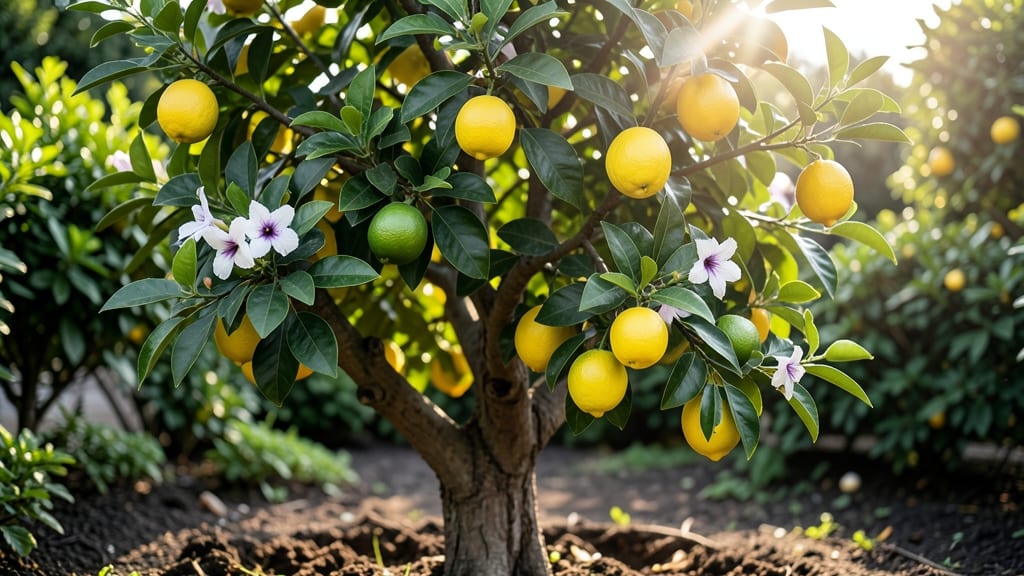
Citrus fruit tree care requires full sun exposure, well-draining soil, and consistent watering while avoiding overwatering. Prune for airflow, fertilize with citrus-specific nutrients, and protect against frost or pests to ensure healthy growth and abundant fruit production year-round.
Growing citrus trees thrives on balance—too much water or shade stresses the plant, while proper sunlight and drainage create ideal conditions for vibrant fruit. 🌞 The key is mimicking their natural Mediterranean habitat: at least 6-8 hours of direct sun daily and soil that drains quickly to prevent root rot.
I’ve seen firsthand how trees in heavy clay struggle, even with regular watering, while those in amended soil with perlite or sand flourish.
Citrus trees also reward attentive care with sweeter, more abundant fruit—the difference between a neglected tree and a thriving one can be striking after just one season of proper maintenance.
Another critical aspect is timing—citrus trees have specific seasonal needs that dictate when to prune, fertilize, or protect against pests.
For example, pruning in late winter promotes new growth for spring blooms, while summer watering should be deep but infrequent to encourage deep root development. 💧 Understanding these rhythms turns citrus care from guesswork into a predictable process that yields delicious results. The payoff?
Trees that not only survive but produce bountiful harvests year after year.
💡 In This Article
- Key Factors for Citrus Tree Soil and Sunlight Needs
- Seasonal Citrus Tree Maintenance Calendar
Key factors for citrus tree soil and sunlight needs
Citrus trees thrive under 6-8 hours of direct sunlight daily because their native Mediterranean climate demands intense light for photosynthesis and fruit development. Without adequate sunlight, leaves turn yellow, growth slows, and fruit becomes small or bitter.
The science behind this is simple: sunlight triggers chlorophyll production, which fuels energy conversion.
A tree in partial shade may produce 30-50% fewer fruits compared to one basking in full sun. 🌞 For example, a lemon tree in a south-facing container will bear fruit twice as abundantly as one placed against a north wall.
The ideal soil pH for citrus ranges between 6.0 and 7.0, slightly acidic to neutral, mimicking their natural habitat.
Soil that's too acidic (pH 5.0 or lower) locks out essential nutrients like phosphorus and calcium, while alkaline soil (> 7.5) restricts iron and zinc uptake, causing yellowing leaves—a condition called chlorosis.
To test your soil, use a simple pH kit or send a sample to a local extension office. Amending clay-heavy soil with compost or sand improves drainage, while adding sulfur lowers pH if needed.
Drainage is non-negotiable for citrus trees, as their roots rot quickly in waterlogged conditions. The root system prefers well-aerated soil that dries out between waterings. A simple test: Dig a hole, fill it with water, and time how long it takes to drain.
If it takes longer than 30-60 minutes, amend the soil with perlite or coconut coir. I’ve seen trees in raised beds with 50% sand mix thrive where in-ground plantings failed—this adjustment can mean the difference between a healthy tree and one struggling with root disease.
Sunlight also influences fruit quality. Trees in full sun develop brighter, sweeter citrus with higher sugar content due to increased photosynthesis. For instance, oranges grown in 8+ hours of sunlight have 15-20% more natural sugars than those in partial shade.
Position your tree where it gets morning sun and afternoon shade in hot climates to prevent leaf scorch. Containers need extra attention—rotate them weekly to ensure even sunlight exposure on all sides.
Another critical factor is temperature. Citrus trees prefer 70-85°F during the day and 55-65°F at night. Below 50°F, growth slows, and below 32°F, frost damage occurs. In colder zones, choose cold-hardy varieties like Satsuma mandarins or grow trees in containers that can be moved indoors during winter.
Mulching with 2-3 inches of organic mulch helps regulate soil temperature and retain moisture, reducing stress on the tree.
Finally, wind plays a role. While citrus trees need airflow to prevent fungal diseases, strong winds can dry out leaves and fruit. If your tree is exposed, consider lightweight shade cloth during peak summer winds or plant it near a windbreak like a fence or hedge.
The goal is to balance sunlight, airflow, and protection to create an environment where your citrus tree can flourish without stress. 🌿