
Pruning
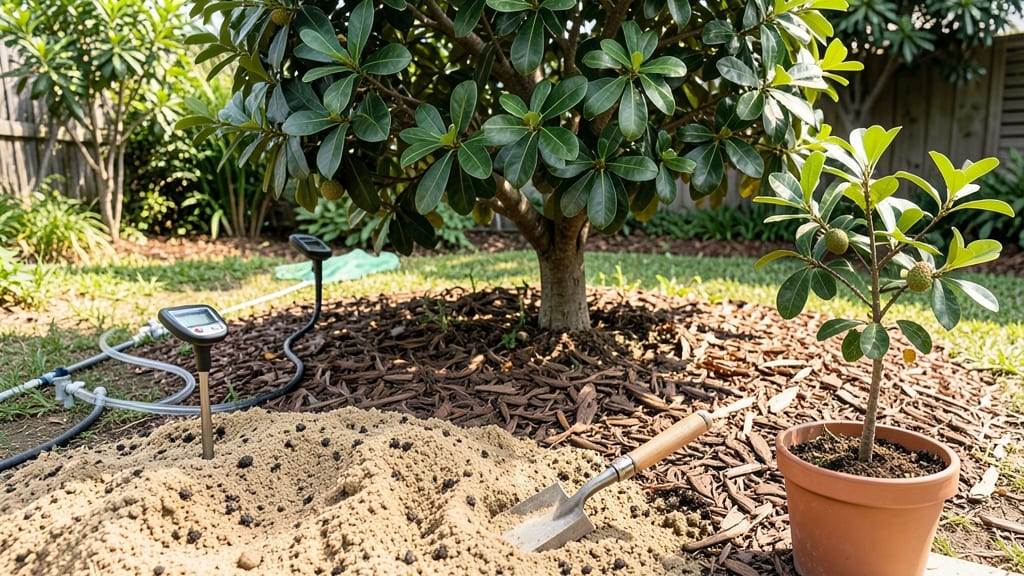
Mastering lychee fruit tree care turns a tangled mess into a structured, high-yielding powerhouse. 🌿 I’ve watched my own lychee tree go from a chaotic mess to a structured, high-yielding tree—all by following a few key pruning rules that work in warm climates.
The secret isn’t cutting everything back, but shaping the tree to maximize sunlight and airflow for those sweet, fragrant fruits.
Lychees thrive in zones 10-12, where they bask in full sun and warm nights. They need well-draining soil (think sandy loam) and regular water—especially during flowering and fruiting—but they hate soggy roots.
Pruning happens twice a year: a light cleanup after harvest and a heavier structural trim in late winter, just before new growth starts. This keeps the tree open enough for fruit to ripen evenly.
What you’ll end up with is a tree that produces hundreds of lychees per season, with fewer pests and better air circulation. The fruit stays sweeter, the branches stay strong, and you avoid the heartbreak of rot or disease from overcrowded growth.
Plus, the tree’s shape becomes easier to manage—no more wrestling with tangled limbs to pick fruit.
Works for both container-grown trees (in large pots) and in-ground plantings, though in-ground gives you more stability for taller varieties. Here’s how to do it right the first time, without sacrificing next year’s harvest.
📚 In This Guide
- What you need
- Instructions
- Tips and common mistakes
- Wrapping up and next steps
What you need
- ● Lychee Tree Sapling: Choose a healthy, disease-free sapling (preferably grafted for better fruit quality). Age: 1-2 years old.
- ● Well-Draining Soil: A mix of sandy loam with a pH of 5.0–6.5. Add organic matter (compost or aged manure) for fertility.
- ● Fertilizers: Balanced fertilizer (10-10-10 or 8-3-9) for general growth.
- ● Citrus or fruit-tree-specific fertilizer (high in zinc and magnesium) for flowering/fruiting.
- ● Slow-release organic fertilizer (e.g., worm castings or bone meal) for long-term nutrition.
- ● Pruning Tools: Bypass pruners (sharp, clean for clean cuts).
- ● Loppers (for thicker branches, 8–12 inches cutting capacity).
- ● Pruning saw (for large branches, bow-shaped blade).
- ● Disinfectant (70% isopropyl alcohol or bleach solution for sterilizing tools).
- ● Mulch: Organic mulch (straw, wood chips, or pine bark) to retain moisture and regulate soil temperature. Thickness: 2–4 inches (keep away from the trunk).
- ● Drip Irrigation or Hose: Lychees need consistent moisture but hate soggy roots. A soaker hose or drip system works best.
- ● Support Stakes: 3–4 bamboo stakes (or metal posts) and soft ties (for young trees to prevent wind damage).
- ● Soil Test Kit: Ensures your soil meets the tree’s pH and nutrient needs.
- ● Pest Control: Neem oil or insecticidal soap for aphids/scale insects.
- ● Fruit Thinning Shears: Helps manage fruit load for larger, healthier lychees.
- ● Shade Cloth: 30–50% shade cloth for young trees in hot climates.
- ● Humidity Tray: A shallow tray with water and pebbles to boost humidity during dry spells.
Step-by-Step guide to strategic lychee fruit tree pruning
Here's how I maintain a productive lychee tree year-round with precise pruning techniques.
✂️ Step 1: Prune for Airflow in Late Winter
Start your lychee tree's pruning cycle in late winter when the tree is still dormant but before new growth begins. Remove any dead, diseased, or crossing branches first—these compete for resources and invite pests. Use clean, sharp pruning shears to make 45-degree cuts just above a bud or lateral branch. Avoid leaving stubs, as they can rot and attract fungal infections.
Focus on thinning the canopy to improve air circulation—lychee trees thrive when sunlight reaches the inner branches. Aim to remove 20-30% of the previous year's growth, targeting branches that grow inward or rub against each other. You'll see a more open structure within weeks, which prevents fungal diseases like anthracnose that plague lychee trees in humid climates.
☀️ Step 2: Encourage Fruit Production in Early Spring
Once the tree breaks dormancy in early spring, shift your focus to fruit-bearing branches. Lychee trees produce fruit on new wood, so prune to stimulate fresh growth. Cut back overly vigorous shoots to redirect energy into flowering and fruiting. Look for water sprouts (thin, vertical shoots) and remove them entirely—they drain energy without contributing to harvests.
Prune lightly during this phase—just enough to shape the tree without stressing it. You'll notice new buds forming along the remaining branches within 2-3 weeks. Avoid heavy pruning now, as it can delay flowering. Instead, focus on balancing the tree's shape so sunlight reaches the center, where most fruit develops.
🌿 Step 3: Maintain Shape and Remove Suckers Mid-Summer
By mid-summer, your lychee tree should be in full growth mode. This is the time to remove suckers—those aggressive shoots sprouting from the base or along the trunk. Suckers steal nutrients from fruit production, so snip them off at the base with clean pruners. Also, trim any branches that are growing too densely, ensuring 6-12 inches of space between major limbs.
Lightly shape the tree to maintain an open vase shape, which maximizes air flow and sunlight penetration. You’ll see fewer leaf diseases and better fruit set if the tree isn’t overcrowded. Avoid pruning too aggressively—lychee trees are sensitive to heavy cuts during fruiting season, so keep adjustments minimal.
⏰ Step 4: Light Post-Harvest Pruning in Fall
After harvest, in early fall, give your lychee tree a final light pruning to prepare for dormancy. Remove any damaged or weak branches that didn’t produce well, as well as overly long shoots that may have grown during the summer. Prune just enough to clean up the tree without stimulating new growth before winter.
This is also the time to sterilize your pruning tools with rubbing alcohol to prevent disease spread. You’ll notice fewer pests and healthier buds the following spring if you keep the tree tidy. Avoid heavy pruning now—lychee trees need time to harden off before cold weather, so keep cuts minimal and focused on removing only the weakest growth.
Tips & tricks for perfect lychee tree maintenance
These practical insights will help you keep your lychee tree thriving year after year.
Timing is Everything: Late winter pruning (Step 1) should happen when your tree is still dormant but just before buds begin to swell. This precise window—typically February to early March in most growing zones—ensures you remove last year's growth while preserving the tree's energy reserves for spring flowering. I've seen trees stressed by early pruning when buds were already forming, so mark your calendar based on your local frost dates rather than fixed calendar months.
Tool Precision Matters: The 45-degree cut mentioned in Step 1 isn't just a suggestion—it's critical for proper healing. Use bypass pruners (not anvil types) for clean cuts that won't crush the branch. I always sterilize my tools between cuts with rubbing alcohol, especially when dealing with diseased branches. This prevents cross-contamination that could spread fungal spores throughout your tree. For larger branches, consider a pruning saw with a fine-tooth blade to make clean cuts without tearing the bark.
Visual Growth Assessment: When evaluating which branches to remove in Step 2, look for these visual cues: water sprouts appear as thin, vertical shoots with fewer leaves than normal branches, while crossing branches will show rubbing points where bark is damaged. I've found that removing 20-30% of last year's growth creates that perfect balance—enough to open the canopy without shocking the tree. If you're unsure, err on the side of removing less rather than more, as lychee trees recover slowly from heavy pruning.
Seasonal Disease Prevention: The open vase shape you create in Step 3 isn't just about aesthetics—it's your first line of defense against fungal diseases like anthracnose. In humid climates, I recommend applying a copper fungicide spray after mid-summer pruning to protect fresh cuts. Also, avoid pruning when leaves are wet, as moisture on fresh cuts creates perfect conditions for bacterial infections. The 6-12 inch spacing between branches you maintain ensures air circulates freely, which dramatically reduces disease pressure.
Pro Tips for Lychee Fruit Tree Care
- These practical insights will help you keep your lychee tree thriving year after year.
- Timing is Everything: Late winter pruning (Step 1) should happen when your tree is still dormant but just before buds...
- Tool Precision Matters: The 45-degree cut mentioned in Step 1 isn't just a suggestion—it's critical for proper healin...
Frequently asked questions
Got questions about growing and maintaining your lychee fruit tree?
Here are some of the most common ones—and their straightforward answers—to help you keep your tree thriving and productive!
How often should I prune my lychee tree?
Prune your lychee tree twice a year: once in late winter or early spring (before new growth starts) to shape the tree, and again in summer (after harvest) to remove dead or overcrowded branches. Light pruning can also be done after storms or heavy fruit production to encourage airflow and sunlight penetration.
When is the best time to plant a lychee tree?
The ideal time to plant a lychee tree is in early spring, when the soil is warm and frost is no longer a threat. If you’re in a tropical or subtropical climate, you can plant year-round, but avoid extreme heat or cold spells. Choose a spot with full sun exposure and well-draining soil for the best results.
Can I grow a lychee tree in a container?
Yes, but with limitations! Lychee trees thrive in large containers (at least 20+ gallons) for a few years, but they’ll need regular repotting as they grow. Use a high-quality potting mix with good drainage, and place the container in a sunny spot. Expect slower growth and smaller fruit compared to in-ground trees.
What are the most common pests or diseases affecting lychee trees?
Watch for lychee borers (larvae that tunnel into branches), scale insects, and anthracnose fungus (a common disease in humid climates). Prune infected branches immediately, and apply neem oil or copper-based fungicides as needed. Regularly inspect leaves and bark to catch issues early!
Why isn’t my lychee tree producing fruit?
Lack of fruit can stem from young age (lychee trees take 3–5 years to bear fruit), poor pollination, or nutrient deficiencies. Ensure your tree gets full sun, balanced fertilizer (rich in potassium and phosphorus), and cross-pollination if growing multiple trees. If the issue persists, check for pests or root stress.
Wrapping up and next steps
Caring for your lychee fruit tree is all about patience, precision, and a little love—and with the right pruning strategies, you’ll soon be rewarded with sweet, fragrant fruit year after year! 🌿✨ Remember, timing, tool selection, and technique are your best allies, whether you’re shaping young saplings or maintaining mature trees.
Now that you’re armed with expert tips, why not roll up your sleeves and give your tree the attention it deserves?
Ready to take the next step? Start small—prune a single branch this week, observe how your tree responds, and build confidence as you go. Happy pruning, and here’s to a fruitful harvest ahead!