
Companion Plants
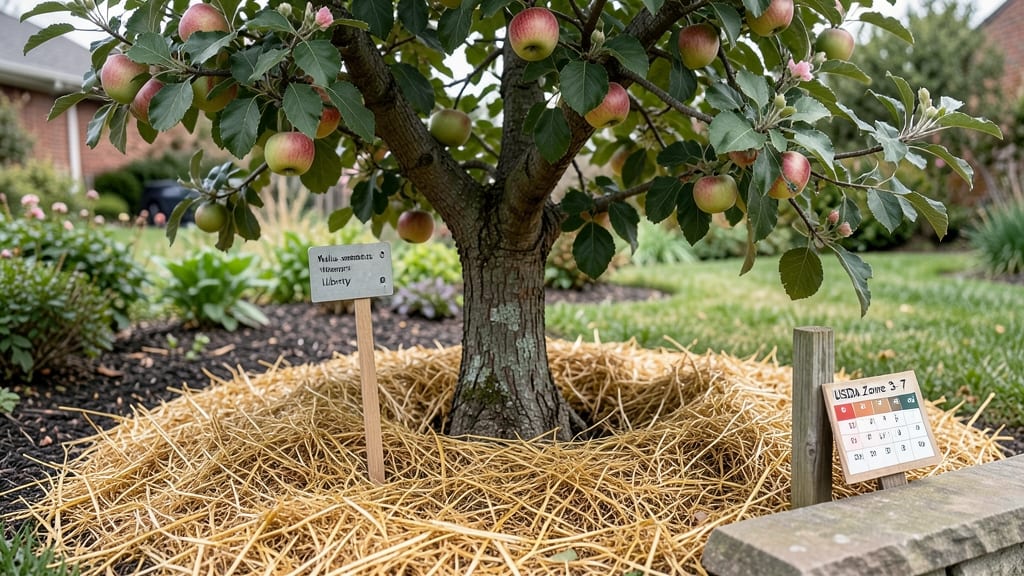
Growing cold-hardy fruit plants in containers means berries and apples even in Zone 3 winters. ✨ I’ve successfully grown hardy varieties like Siberian peashrubs (Zone 3) and Arctic Kiwi (Zone 4) on my Michigan balcony—proof that cold climates don’t have to mean sacrificing harvests.
The secret lies in choosing the right plants and protecting them from harsh conditions.
Start with dwarf or columnar varieties designed for containers, like columnar apple trees or patio-friendly blueberries. These thrive in 5-gallon pots or larger, with well-draining soil mixed with compost.
Place them in full sun (6+ hours daily) and group containers close together to create a microclimate that retains warmth. Mulch heavily in fall to insulate roots, and use frost blankets for extra protection during sudden freezes.
With proper care, you’ll harvest juicy berries in July and crisp apples in September—right from your porch. These plants need regular watering (especially in containers) and balanced fertilizer every 4-6 weeks during growing season.
Prune in late winter to encourage strong growth, and watch pests like aphids or spider mites, which love tender new shoots.
This method works for Zones 3-7, adapting to your climate by adjusting mulch thickness, container size, and winter protection. Whether you’re in Minnesota or Maine, you can enjoy homegrown fruit year after year—without sacrificing space or yield.
📚 In This Guide
- What you need
- Instructions
- Tips and common mistakes
- Wrapping up and next steps
What you need
- ● Containers: 5-gallon or larger pots (at least 12–18 inches deep) with drainage holes. Materials: plastic, ceramic, or fabric grow bags (3–5 plants per container for vining varieties like grapes).
- ● Cold-hardy fruit plants: Choose from: Hardy apple varieties (e.g., Liberty, Arctic Sweet)
- ● Cold-resistant berries (e.g., Arctic Brite gooseberries, Patriot blueberries)
- ● Dwarf stone fruits (e.g., Lapins cherries, Honeybrier peaches)
- ● Potting mix: High-quality, well-draining mix (e.g., 50% peat moss/compost, 30% perlite, 20% sand). Avoid garden soil—it compacts and drains poorly.
- ● Fertilizer: Slow-release granular fertilizer (e.g., 10-10-10 or 5-10-10) for planting.
- ● Organic options: Fish emulsion or compost tea for ongoing feeding.
- ● Mulch: Straw, shredded bark, or pine needles (2–3 inches thick) to insulate roots in winter.
- ● Support structures: Trellises or cages (for vining plants like grapes or kiwi).
- ● Stakes or tomato cages (for heavier fruits like apples or peaches).
- ● Tools: Pruners (bypass pruners for clean cuts).
- ● Trowel or small shovel for planting.
- ● Gloves (to protect from thorns or sap).
- ● Heating mats: For early spring/summer to extend the growing season in very cold zones.
- ● Frost cloth: Lightweight fabric to protect young plants from late frosts (30–50°F tolerance).
- ● Drip irrigation system: Automated watering to maintain moisture without over-saturation.
- ● Pollination aids: A small paintbrush or hand pollination for self-unfruitful varieties (e.g., some apples).
- ● Soil test kit: To check pH (especially important for blueberries—aim for 4.5–5.5).
Step-by-step guide to growing cold hardy fruit plants in containers
Here's how to cultivate resilient, frost-tolerant fruit plants that thrive in containers year-round.
🌱 Step 1: Select the Right Cold-Hardy Varieties
Cold-hardy fruit plants like hardy kiwi, alpine strawberries, and Arctic kiwi are perfect for container growing. These varieties tolerate temperatures down to 10°F without protection, making them ideal for northern climates or early spring/fall harvests. Choose dwarf or bush varieties—they stay compact and don’t outgrow containers quickly.
I always check the USDA hardiness zone ratings on seed packets or plant tags. For example, 'Issai' kiwi thrives in zones 4-8, while 'Alpine' strawberries handle zones 3-9. Match your zone to the plant’s tolerance to avoid winter damage. Buy established plants from reputable nurseries—they’re more resilient than seedlings.
🪴 Step 2: Choose and Prepare Large, Insulated Containers
Use 5-gallon or larger containers with drainage holes to accommodate root growth and prevent waterlogging. I prefer fabric grow bags or heavy ceramic pots—they insulate roots better than plastic and protect against extreme temperature swings. Add a 2-inch layer of gravel at the bottom for drainage, then fill the rest with a well-draining potting mix blended with 10% perlite or vermiculite.
Cold-hardy plants need deep root zones, so avoid shallow planters. If your containers lack insulation, wrap them in burlap or bubble wrap during winter to shield roots from freezing. Place pots on elevated stands to improve drainage and airflow—this prevents root rot in wet climates.
☀️ Step 3: Plant and Position for Maximum Sun Exposure
Plant your cold-hardy fruit plants in early spring, after the last frost date, or in late summer for fall harvests. Dig a hole twice as wide as the root ball but no deeper, then place the plant so the top of the root ball sits 1 inch below the container rim. Backfill with soil, firm gently, and water deeply until it drains from the bottom.
Position containers in a south-facing spot where they get 6-8 hours of sunlight daily. Cold-hardy plants still need plenty of light to fruit well. If your space is shady, supplement with a grow light for 12-14 hours per day during short winter days. Rotate pots quarter-turn weekly to ensure even growth and prevent leaning toward the light.
💧 Step 4: Water and Fertilize for Cold-Resistant Growth
Water containers deeply every 2-3 days in summer, but reduce to once a week in winter when growth slows. Check soil moisture by sticking your finger 1 inch deep—water when it feels dry. Overwatering in cold weather can lead to root rot, so always ensure excess water drains away. Mulch with 2 inches of straw or shredded leaves to retain moisture and insulate roots.
Fertilize with a balanced, slow-release fertilizer (10-10-10) at planting, then again in early summer. Switch to a low-nitrogen, high-phosphorus formula (5-10-10) in late summer to encourage fruiting. Avoid high-nitrogen feeds—they promote leafy growth at the expense of fruit production. In fall, reduce fertilizing as the plant prepares for dormancy.
✂️ Step 5: Protect and Prune for Winter Hardiness
As temperatures drop below 32°F, move containers to a sheltered location like a garage or under an eave. Wrap pots in burlap or frost cloth and cover with straw or leaves for extra insulation. Prune back dead or diseased branches in late winter (just before new growth starts) to encourage healthy spring regrowth. Avoid heavy pruning—cold-hardy plants need their foliage to photosynthesize and store energy for next year.
Watch for winter burn—brown, crispy edges on leaves—caused by rapid temperature changes. This is normal and not fatal. In early spring, remove any remaining winter protection once temperatures consistently stay above 40°F. Resume regular care, and you’ll see new growth within 2-3 weeks. Cold-hardy fruit plants reward patience with early spring harvests and longer fruiting seasons than tender varieties.
Tips & tricks for thriving cold-hardy fruit plants
Here's what I've learned after years of growing resilient fruit plants in containers—these tricks make all the difference for year-round success.
Variety Selection: When choosing between hardy kiwi, alpine strawberries, or Arctic kiwi, consider their specific needs. Alpine strawberries, for example, thrive in zones 3-9 and produce fruit even in cooler climates, while 'Issai' kiwi needs slightly warmer zones 4-8. I always verify hardiness zones on the plant tags—this prevents winter disappointment. For compact growth, select dwarf varieties that won't outgrow your containers quickly, especially important when you're limited to 5-gallon or larger pots.
Container Insulation: The 2-inch gravel layer at the bottom isn't just for drainage—it's your first line of defense against temperature swings. For extra protection during winter, wrap your fabric grow bags or ceramic pots in burlap (not plastic, which traps moisture). I've found that elevated stands with built-in saucers prevent waterlogging while keeping roots insulated from cold ground temperatures. This simple setup helps maintain root zones above freezing even when outdoor temps drop to 10°F.
Light Optimization: Those critical 6-8 hours of sunlight become even more important in winter when days are short. If your space gets less than 6 hours of direct sun, supplement with a grow light positioned 6-12 inches above the plants for 12-14 hours daily. I rotate my containers quarter-turn weekly to prevent leaning—this ensures even growth and maximizes light exposure to all sides of the plants. In winter months, I extend the grow light use to compensate for the shorter daylight hours.
Winter Protection Strategy: When temperatures consistently drop below 32°F, move containers to sheltered locations like garages or under eaves. I cover pots with frost cloth and add a thick layer of straw or leaves for insulation. The key is to protect the entire container, not just the plant—this prevents the pot itself from freezing solid. Remove winter protection only when temperatures stay above 40°F consistently, typically in early spring when you'll see new growth within 2-3 weeks.
Pro Tips for Cold Hardy Fruit Plants
- Here's what I've learned after years of growing resilient fruit plants in containers—these tricks make all the difference for year-round success.
- Variety Selection: When choosing between hardy kiwi, alpine strawberries, or Arctic kiwi, consider their specific needs.
- Container Insulation: The 2-inch gravel layer at the bottom isn't just for drainage—it's your first line of defense against temperature swings.
Frequently asked questions
Got questions about growing cold-hardy fruit plants in containers? You’re not alone! Here are answers to the most common queries to help you grow like a pro—even in chilly climates.
Can cold-hardy fruit plants survive winter in containers?
Yes! Many varieties like hardy kiwi, arctic kiwi, and cold-resistant apples thrive in containers with proper winter care. Move pots to a sheltered spot (like a garage or against a south-facing wall), wrap them in burlap, and use mulch to insulate roots. Just avoid freezing soil—drain excess water before temps drop.
When is the best time to plant cold-hardy fruit trees in containers?
For bare-root plants, late fall or early spring (when soil isn’t frozen) is ideal. Container-grown plants can go in anytime, but spring (after last frost) gives them time to establish roots before winter. If planting in fall, use extra mulch to protect roots from early cold snaps.
What are the easiest cold-hardy fruits to grow in pots?
Start with low-maintenance stars like:
- Arctic kiwi (hardy to -30°F)
- Dwarf apple trees (e.g., ‘Liberty’ or ‘Honeycrisp’)
- Hardy figs (e.g., ‘Chicago Hardy’)
- Blueberries (acidic soil lovers)
- Rhubarb (perennial and shockingly tough!)
Why are my cold-hardy fruit plants not fruiting?
Common culprits include:
- Insufficient sunlight (most need 6+ hours daily)
- Poor pollination (plant two compatible varieties or hand-pollinate)
- Young age (fruit trees often take 2–5 years to bear)
- Nutrient deficiencies (use balanced fertilizer in early spring)
Can I grow grapes in containers in cold climates?
Choose cold-hardy varieties like ‘Concord’ or ‘Valiant’ (tolerate down to -20°F). Use a large pot (15+ gallons), well-draining soil, and a sturdy trellis. Prune aggressively in late winter to encourage growth. Overwinter by wrapping the pot and burying it in mulch or moving it to a protected spot.
Wrapping up and next steps
Growing cold-hardy fruit plants in containers isn’t just possible—it’s a rewarding way to enjoy fresh, homegrown harvests even in chilly climates! 🌱 Whether you’re cultivating apples, blueberries, or hardy berries, the key lies in choosing the right varieties, providing proper care, and embracing a little creativity with containers and companion plants.
With the right setup, you’ll be savoring homegrown goodness well beyond the typical growing season.
Ready to take the next step? Start small—pick one or two cold-hardy favorites and experiment with containers or raised beds. Monitor their progress, adjust your approach as needed, and soon, you’ll be sharing your bountiful harvests with friends and family. Happy gardening! 🍓✨