
Featured
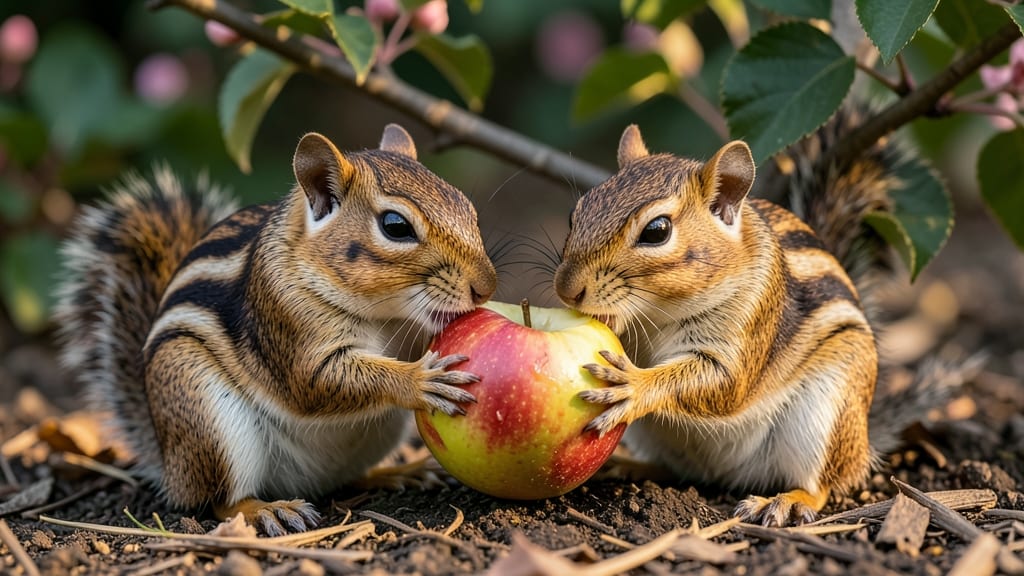
Chipmunks do eat fruit as part of their omnivorous diet, favoring berries, apples, and grapes when available, though seeds and nuts remain their primary food sources in nature and gardens.
Chipmunks aren't picky eaters—they'll happily snack on fruit when it's around, especially during late summer and early fall when fresh berries and soft fruits like apples and grapes are abundant. 🌿 Their small size means they need quick energy, and fruit provides that sugar boost without the heavy calories of seeds.
However, their true diet staples are seeds and nuts, which offer long-lasting fat reserves for winter hibernation. This explains why you might spot them nibbling on fallen fruit in your yard but never see them completely abandon their seed stash.
What's fascinating is how their digestive system handles both plant and animal matter. Chipmunks have a specialized gut that can process tough seeds while also breaking down softer fruits efficiently. This adaptability helps them thrive in varied environments, from forests to suburban backyards.
If you're trying to attract them to your garden, offering small pieces of fruit can be a great way to encourage visits—but remember, they'll always prioritize seeds for their survival needs.
💡 In This Article
- Chipmunk Diet: Why Fruit Appears in Their Natural Menu
- Feeding Chipmunks Fruit: Safe Garden Practices
Chipmunk diet: why fruit appears in their natural menu
Chipmunks incorporate fruit into their diet primarily during late summer and early fall when natural sugar sources peak. This seasonal shift aligns with when berries like blackberries and raspberries ripen, offering quick energy through natural fructose.
Their preference for soft, easily digestible fruits stems from their high metabolic rate—small bodies require frequent, nutrient-dense meals. 🌿 The sugar content in fruits provides an immediate energy boost that's harder to extract from seeds, which require more chewing and digestion.
Scientific studies show chipmunks have a specialized gut microbiome that efficiently processes both plant and animal matter. Their cecum—a pouch-like organ—ferments fibrous materials while their stomachs handle softer fruits.
This dual capability explains why they'll happily eat fallen apples or grapes when available, yet still prioritize seeds for long-term fat storage. The key difference lies in energy density: fruits provide fast calories, while seeds offer sustained nutrition for hibernation.
What's often overlooked is how fruit consumption changes their behavior. Chipmunks become more visible during daylight hours when fruits are abundant, unlike their nocturnal tendencies when seeds are scarce.
This behavioral shift helps explain why gardeners suddenly notice chipmunks during berry season—it's not just about food availability, but also about their metabolic needs. 🐿️ The sugar rush from fruits actually makes them more active and social during these periods.
Interestingly, chipmunks exhibit food caching behavior even with fruits. While they won't bury whole apples, they'll carry pieces back to their burrows to eat later. This selective caching demonstrates their ability to balance immediate energy needs with future food security.
The fruit serves as a temporary supplement rather than a primary food source, which is why their diet remains 70-80% seeds and nuts year-round.
One fascinating adaptation is their ability to detect ripeness through scent and color. Chipmunks have excellent color vision that helps them identify ripe fruits among green foliage, while their keen sense of smell locates hidden berries.
This sensory combination explains why they're so effective at finding fruit in dense vegetation—something many predators struggle with. 🍓 The ability to quickly locate and consume ripe fruits gives them a competitive advantage in mixed habitats.
For gardeners, understanding this fruit preference explains why chipmunks might suddenly appear when your tomato plants ripen. The high sugar content in tomatoes makes them particularly appealing, though the seeds within also provide valuable nutrition.
This dual benefit explains why chipmunks often target garden fruits over wild berries when given the choice. The lesson here is that fruit consumption isn't random—it's a strategic part of their seasonal survival strategy.