
Container Gardens
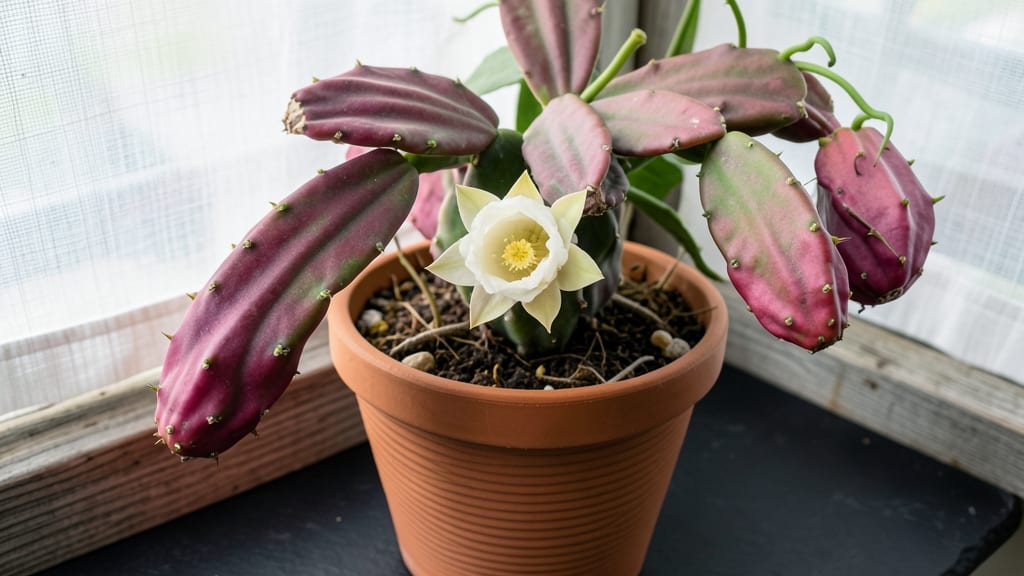
Growing dragon fruit in pots lets you enjoy this exotic beauty even in apartments. 🌱 The secret isn't complicated—it's matching the right container, soil, and sunlight to what these vines naturally crave.
My first dragon fruit plant produced fruit in just 18 months, proving how rewarding container growing can be when you get the basics right.
You'll need a 5-gallon pot minimum (bigger is better for mature plants), well-draining cactus/succulent mix, and a sturdy trellis or cage. Dragon fruit thrives in full sun (6+ hours daily) but tolerates partial shade if you live in hot climates.
Watering is the trickiest part—keep soil slightly moist but never soggy, as rot is their biggest enemy.
By summer's end, you'll see those signature pink or yellow blooms followed by sweet, kiwi-like fruit. The vines grow fast, so prune regularly to control size and encourage more blooms. Even in winter, with proper care, your plant stays green and productive.
Works indoors near sunny windows or outdoors on patios—just move pots inside before frost. The key is consistency: same watering schedule, same sunlight exposure, and occasional fertilizer. Once established, these plants reward patience with years of tropical beauty and delicious harvests.
📚 In This Guide
- What you need
- Instructions
- Tips and common mistakes
- Wrapping up and next steps
What you need
- ● Dragon fruit plant (pitaya) – Choose a healthy, mature cutting (6+ inches long) or a young potted plant from a nursery. Pro tip: Look for plants with at least 2-3 nodes!
- ○ Container – A 5-gallon pot or larger (minimum 12-18 inches deep) with drainage holes. Optional: Self-watering pots for convenience.
- ● Well-draining potting mix – A blend of cactus/succulent mix (60%) + perlite/pumice (30%) + coconut coir (10%). Avoid heavy garden soil!
- ● Support structure – A trellis, bamboo stake, or sturdy wire cage (4-6 feet tall) to train the vining plant.
- ● Fertilizer – Balanced liquid fertilizer (10-10-10 or 20-20-20) or a slow-release granular fertilizer for tropical plants.
- ● Pruning shears – Sharp, clean shears for trimming vines and dead leaves.
- ● Spray bottle – For misting leaves (especially in dry climates).
- ● Grow lights – If indoors, a full-spectrum LED grow light (12-14 hours/day) mimics sunlight.
- ● Mulch (gravel or bark) – Helps retain moisture and regulate soil temperature.
- ● Humidity tray – A pebble tray with water to boost humidity for indoor plants.
- ● Soil moisture meter – Ensures you’re watering at the right depth without overdoing it.
- ● Epsom salt – A monthly magnesium boost (1 tsp per gallon of water) keeps leaves lush.
Step-by-Step guide to growing dragon fruit in containers
Here's how to cultivate vibrant dragon fruit plants in pots—ideal for patios and small spaces.
🌱 Step 1: Select the Right Container and Prepare the Soil
Choose a 5-gallon pot or larger with drainage holes—dragon fruit plants need room to spread their roots. I recommend using a well-draining cactus/succulent mix blended with 20% perlite to prevent waterlogging. This tropical plant hates soggy roots, so aeration is key.
Fill the pot halfway with your mix, then add a 2-inch layer of coarse gravel at the bottom. This ensures excess water drains quickly while keeping roots stable. Tap the pot gently to settle the soil before planting. The right soil mix prevents root rot, which is the #1 killer of potted dragon fruit.
🌿 Step 2: Plant the Dragon Fruit Cuttings or Seeds
If using seedlings or cuttings, bury them 1-2 inches deep in the soil, leaving the top third of the stem exposed. Dragon fruit grows from aerial roots, so partial exposure encourages stronger growth. Gently firm the soil around the base to eliminate air pockets.
For seeds, plant them ¼ inch deep and keep the soil consistently moist until germination (usually 2-4 weeks). I like to place a humidity dome over the pot until sprouts appear. Watch for the first true leaves—this is your signal to remove the dome and let the plant acclimate.
☀️ Step 3: Position for Maximum Sunlight and Warmth
Dragon fruit thrives in full sun (6+ hours daily) and warmth (70-90°F). Place your pot in the brightest spot you have—south-facing windows or balconies work best. If indoors, supplement with a grow light for 12-14 hours daily to prevent leggy growth.
Rotate the pot quarter-turn weekly so the plant grows evenly toward the light. You’ll notice leaves stretching toward the window? That’s a sign your light source isn’t strong enough. Move the pot closer or add a grow light immediately—leggy stems weaken the plant and reduce fruit production.
💧 Step 4: Water and Fertilize for Optimal Growth
Water deeply once a week, allowing the top 2-3 inches of soil to dry out between waterings. Dragon fruit is drought-tolerant but needs consistent moisture during flowering and fruiting. I check soil moisture by sticking my finger in—if it feels dry, it’s time to water.
Feed your plant monthly with a balanced liquid fertilizer (10-10-10) during spring and summer. Reduce to every 6 weeks in fall/winter when growth slows. Over-fertilizing burns roots, so always dilute fertilizer to half-strength. You’ll see new growth within weeks—this means your plant is thriving!
✂️ Step 5: Prune and Support for Fruit Production
Prune dead or yellowing leaves regularly to encourage airflow and prevent disease. Dragon fruit plants produce climbing canes, so install a trellis or sturdy stake as they grow. Gently tie the main stem to the support to prevent breakage—strong structure = more fruit.
When canes reach 6-8 feet, trim back one-third of the oldest growth to redirect energy to new shoots. This pruning trick boosts flowering and fruiting. Watch for red or pink buds—these signal your plant is ready to produce fruit within 6-8 months of planting.
Tips & tricks for thriving potted dragon fruit
These insider strategies will help you nurture a healthy, fruit-bearing dragon fruit plant in containers—without the common pitfalls.
Soil Aeration is Non-Negotiable: After adding your 2-inch gravel layer in Step 1, mix in a handful of orchid bark (optional but highly effective) to further improve drainage. I’ve seen root rot develop in pots where the soil mix was too dense—even with perlite. The goal is to mimic the plant’s natural rocky, well-drained habitat in tropical climates.
Germination Hack for Seeds: If starting from seeds in Step 2, place the pot inside a clear plastic bag (not just a dome) to create a greenhouse effect. This maintains consistent humidity and speeds germination to just 10-14 days instead of the usual 2-4 weeks. Remove the bag once true leaves appear—this prevents fungal issues that often plague slow-germinating seeds.
Light Source Troubleshooting: For indoor growers in Step 3, position your grow light 6-8 inches above the plant and use a timer for that 12-14 hour daily requirement. I’ve found LED grow lights (not cheap bulb types) provide the full spectrum needed for flowering. Watch for purple-tinged leaves—this is your plant’s cry for more blue light spectrum, which is critical for bud formation.
Fertilizer Timing Secret: In Step 4, switch to a low-nitrogen, high-phosphorus fertilizer (5-10-10 ratio) once you spot those red/pink buds. This redirects energy toward fruit production instead of leaf growth. I make the switch around month 4-5, and my plants consistently produce larger, more vibrant fruit within 6-8 months as promised in Step 5.
Pro Tips for Dragon Fruit In Pots
- These insider strategies will help you nurture a healthy, fruit-bearing dragon fruit plant in containers—without the common pitfalls.
- Soil Aeration is Non-Negotiable: After adding your 2-inch gravel layer in Step 1, mix in a handful of orchid bark (optional but highly effective) to further improve drainage.
- Germination Hack for Seeds: If starting from seeds in Step 2, place the pot inside a clear plastic bag (not just a dome) to create a greenhouse effect.
Frequently asked questions
Got questions about growing dragon fruit in pots? You’re not alone—this tropical beauty needs a little extra care to thrive! Here are some of the most common queries (and answers) to help you succeed.
What’s the best pot size for dragon fruit?
Start with a 5-gallon pot for young plants, but dragon fruit vines grow aggressively! Aim for at least 15–20 gallons once mature. Use pots with drainage holes to prevent root rot, and opt for fabric grow bags for better airflow if possible. Pro tip: Add a trellis or cage early—they’ll need support fast!
How long does it take for dragon fruit to bear fruit in pots?
Patience is key! Dragon fruit plants grown in containers typically take 2–3 years to flower and fruit, though some may take up to 4 years. Female and male plants must be present (or you’ll need a pollinator like bees or a small brush). Bonus: If your plant flowers but no fruit forms, it might need more sunlight or a boost of phosphorus-rich fertilizer.
Can dragon fruit survive winter in pots?
Dragon fruit is tender and not frost-hardy, so if temps drop below 30°F (-1°C), you’ll need to bring pots indoors or protect them with frost cloth. In mild winters, move them to a sunny, sheltered spot (like a greenhouse or garage). Warning: Sudden cold snaps can kill the plant—monitor forecasts and act fast!
What can I do if my dragon fruit plant’s leaves turn yellow?
Yellow leaves usually signal overwatering, poor drainage, or nutrient deficiency. First, check the soil—it should be dry 1–2 inches down before watering. If the pot lacks drainage, repot with cactus/succulent mix + perlite. Yellowing can also mean too much shade or underwatering. Adjust care and watch for improvement in 2–3 weeks!
Are there dwarf or compact dragon fruit varieties for small spaces?
Most dragon fruit varieties are vining, but some dwarf or columnar types (like ‘Weiki’ or ‘Baby Dragon’) stay smaller and are better for tight spaces. Even these may need pruning and support, but they’re ideal for balconies or patios. Alternative: Try pitaya (Hylocereus) hybrids—they’re more compact and still produce sweet fruit!
How often should I fertilize dragon fruit in pots?
Feed your dragon fruit every 4–6 weeks during spring and summer with a balanced fertilizer (10-10-10 or 20-20-20), diluted to half-strength. In fall/winter, reduce to every 8–12 weeks or stop if growth slows. Pro tip: Use a time-release fertilizer in spring to simplify feeding!
Wrapping up and next steps
Growing dragon fruit in pots is a rewarding way to bring tropical vibes to your balcony, patio, or windowsill—no sprawling yard required! 🌿 With the right container, soil, and care, you’ll enjoy vibrant blooms and sweet, exotic fruit year after year.
Whether you’re a beginner or a seasoned gardener, this low-maintenance plant proves that big rewards come in small spaces.
Ready to dive in? Start by gathering your supplies, then choose a sunny spot and follow the steps to nurture your dragon fruit plant. Your future harvest (and Instagram-worthy greenery) awaits!