
Pruning
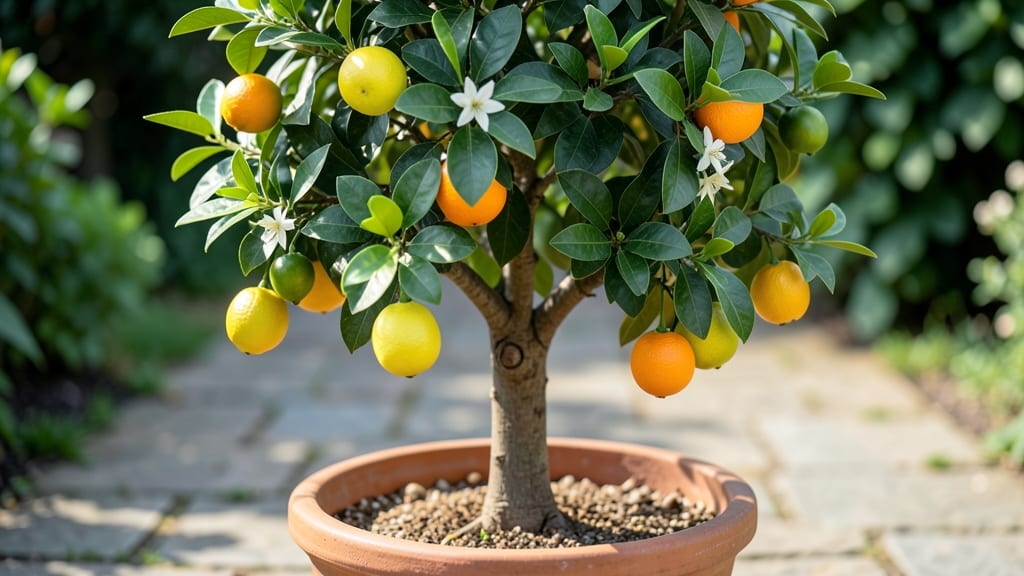
Growing a dwarf fruit cocktail tree on your balcony means fresh fruit without the space. 🌿 I planted mine in a 20-gallon container last spring, and now it’s loaded with tiny oranges, lemons, and limes—perfect for homemade cocktails or garnishes.
The key? Choosing the right variety and giving it the same care as a full-sized tree, just in miniature form.
Start with a well-draining potting mix and a container at least 18 inches deep. These trees thrive in full sun, so a south- or west-facing spot is ideal. Water when the top inch of soil feels dry, but avoid soggy roots—they’re just as sensitive as their larger cousins.
A balanced fertilizer in spring and summer keeps them producing fruit consistently.
Pruning is where the magic happens. Trim back leggy growth in late winter to encourage bushier shape and more fruit. You’ll harvest tiny, intensely flavorful fruits starting in their second year—imagine sipping a margarita with limes you grew yourself! The best part? No beeswax needed for your cocktails.
Watch for spider mites or scale insects, which love dry conditions. A simple spray of neem oil keeps pests at bay. With proper care, your tree will reward you for years—no orchard required. Here’s how to keep it thriving through every season.
📚 In This Guide
- What you need
- Instructions
- Tips and common mistakes
- Wrapping up and next steps
What you need
- ● Dwarf fruit cocktail tree: 1 healthy sapling (3–6 ft tall) or 5–10 seeds (if growing from scratch)
- ● Recommended varieties: Dwarf citrus (e.g., Calamondin, Meyer lemon), dwarf fig, or dwarf apple (e.g., ‘Columnar’ or ‘Dwarf Fuji’)
- ● Container: 1–2 large pots (15–20 gallons each) with drainage holes or a raised garden bed (if outdoor)
- ● Potting mix: 1 bag (1–2 cu. ft.) of well-draining, organic soil blend (e.g., cactus/succulent mix + perlite)
- ● Fertilizer: 1 slow-release granular fertilizer (10-10-10 or citrus-specific)
- ● OR 1 liquid fertilizer (balanced NPK, diluted to half-strength)
- ● Pruning tools: 1 pair of clean, sharp bypass pruners
- ● 1 small hand saw (for thicker branches, if needed)
- ○ Support (optional but helpful): 1–2 bamboo stakes or a small trellis (for dwarf varieties that need structure)
- ● 1–2 soft plant ties (if staking)
- ● Watering can or hose with gentle spray nozzle (dwarf trees need consistent moisture but hate soggy roots)
- ● Gloves (to protect hands during pruning or soil handling)
- ● pH testing kit (to ensure soil is slightly acidic, pH 6.0–7.0 for most dwarf fruit trees)
- ○ Mulch (optional): 1–2 inches of organic mulch (e.g., straw or bark chips) to retain moisture
- ● Grow lights (indoor setups): 1–2 full-spectrum LED grow lights (12–14 hours/day for optimal growth)
How to grow a thriving dwarf fruit cocktail tree on your balcony
Here's how to turn your small space into a tropical harvest with minimal fuss.
🌱 Step 1: Choose the Right Variety and Container
For a true "fruit cocktail" experience, select dwarf varieties like the Citrus Cocktail Tree (a hybrid of orange, grapefruit, and tangerine) or Mini Mango varieties. These stay compact—3-5 feet tall—perfect for balconies. I always opt for 5-gallon fabric grow bags because they're lightweight, drain well, and let roots breathe.
Skip the decorative pots without drainage. Roots need to dry between waterings, and soggy soil will kill your tree faster than you can say "citrus drop." If your balcony gets full sun, position the container where it gets 6-8 hours daily. Partial shade works for mango varieties, but citrus needs that bright light to sweeten fruit.
🪴 Step 2: Plant With Proper Drainage and Soil Mix
Fill your container with a well-draining potting mix—never garden soil. I blend 50% premium citrus mix (for citrus varieties) or 50% cactus/succulent mix (for tropical fruits like mango) with 50% perlite or pumice. This prevents compaction and mimics the airy soil these trees love in their native climates.
Dig a hole twice as wide as the root ball but no deeper. Gently remove the tree from its nursery pot and tease the roots if they're circling. Place it in the hole, then backfill with your mix, pressing lightly to eliminate air pockets. Water deeply until it drains from the bottom—this settles the soil and removes air gaps.
☀️ Step 3: Water and Fertilize for Balcony Success
Water deeply every 5-7 days until 6 inches of soil feels dry at the touch. Overwatering is the #1 killer of dwarf fruit trees—yellowing leaves mean you're drowning the roots. I use a moisture meter to check; if it reads dry below 2 inches, it's time to water again.
Feed with a balanced citrus fertilizer (for citrus varieties) or tropical fruit fertilizer (for mango/guava) every 4-6 weeks during growing season. Cut back to monthly in winter. I swear by slow-release granules mixed into the top 2 inches of soil—they feed roots steadily without burning them like liquid fertilizers can.
✂️ Step 4: Prune and Train for Compact Growth
Prune new growth back by 1/3 in early spring to encourage bushier growth. Remove any dead, crossing, or inward-growing branches with clean sterilized pruners. I always prune just above a leaf node where new growth will sprout—this keeps the tree full and productive.
For citrus varieties, pinch off flower buds the first year unless you're prepared for tiny, underdeveloped fruit. The tree needs 2-3 years to mature before it can handle a full harvest. Train branches to grow outward by gently tying them to soft plant ties—this prevents weak, leggy growth that flops over the balcony railing.
🍊 Step 5: Harvest and Overwinter for Next Year
Fruit ripens 6-12 months after flowering, depending on variety. Citrus will turn bright orange/yellow when ripe, while mangoes soften slightly and develop their signature aroma. Twist gently to harvest—if the fruit resists, it's not ready. I always leave 1-2 fruits on the tree to ripen fully for seed-saving.
Before winter, move containers to a cool but bright spot (50-60°F). Reduce watering to every 10-14 days and stop fertilizing entirely. Wrap the pot in bubble wrap if temperatures drop below 40°F—this protects roots from freezing. Prune lightly in late winter to remove any dead wood before new growth starts.
Tips & tricks for perfect dwarf fruit cocktail trees
Here's what nobody tells you about keeping your balcony harvest thriving through every season.
Sunlight Strategy: The 6-8 hours of daily sunlight mentioned isn't just about quantity—it's about quality. Position your container where morning sun hits it first, as citrus varieties need that gentle morning warmth to develop sweetness. I've seen trees in south-facing balconies produce fruit twice as fast because they get consistent afternoon light too. If your balcony only gets partial sun, rotate the container weekly so all sides get equal exposure.
Soil Science: That 50/50 mix of premium potting blend and perlite isn't just about drainage—it's about aeration. I learned this the hard way after my first tree developed root rot from compacted soil. The perlite creates tiny air pockets that prevent waterlogging while still holding moisture for roots. For extra insurance, I add a handful of worm castings to the mix—it gives a gentle nutrient boost without burning tender roots.
Watering Wisdom: The 5-7 day watering schedule works perfectly when your soil mix is right, but here's the secret: water in the morning. This gives roots all day to absorb moisture before evening evaporation. I check soil moisture by sticking my finger 2 inches down—if it feels dry, that's your cue. For containers, I always water until liquid runs freely from the drainage holes to ensure complete saturation without leaving pockets of dry soil.
Seasonal Transition: When you move your tree to that cool 50-60°F spot for winter, don't just change locations—adjust your care routine. Reduce watering to every 10-14 days because cool air holds more moisture, slowing evaporation. I've found that wrapping containers in bubble wrap at 40°F or below isn't just about protecting roots—it also creates a microclimate that prevents temperature fluctuations that can shock the tree.
Pro Tips for Dwarf Fruit Cocktail Tree
- Here's what nobody tells you about keeping your balcony harvest thriving through every season.
- Sunlight Strategy: The 6-8 hours of daily sunlight mentioned isn't just about quantity—it's about quality.
- Soil Science: That 50/50 mix of premium potting blend and perlite isn't just about drainage—it's about aeration.
Frequently asked questions
How often should I prune my dwarf fruit cocktail tree?
Prune your tree 2-3 times a year: once in late winter (before new growth), again after fruiting, and lightly after heavy harvests. Focus on removing dead wood, crossing branches, and shaping to encourage airflow. Use clean, sharp shears to avoid disease. Pro tip: Prune just outside the branch collar for faster healing!
When can I expect fruit from my dwarf cocktail tree?
Patience is key! Most dwarf varieties (like Citrus × fortunella or Poncirus trifoliata) take 2-5 years to bear fruit, depending on care and climate. Young trees may produce tiny, tart fruits first—give them time! Ensure they get full sun (6+ hours/day) and well-draining soil to speed up fruiting.
Can I grow multiple dwarf fruit trees in one pot?
Yes, but plan carefully! Choose compatible varieties (e.g., citrus + dwarf fig) with similar water/sun needs. Use a large pot (15+ gallons) and ensure it has drainage holes. Monitor for root competition—prune aggressively if one tree dominates. Warning: Avoid grafting incompatible species (like avocado + citrus).
Why are my dwarf fruit cocktail tree’s leaves turning yellow?
Yellow leaves usually signal overwatering, nutrient deficiency, or pests. Check the soil—it should be slightly dry before watering. Lack of iron (chlorosis) is common in alkaline soils; use chelated iron or Epsom salt (1 tbsp/gallon). Inspect for aphids or spider mites on undersides of leaves. Fix it fast: Trim affected leaves and adjust care!
How do I harvest and store the fruit?
Harvest when fruit is fully colored, slightly soft, and fragrant (varies by type—citrus when firm, berries when plump). Use clean scissors to avoid damaging branches. Store unwashed fruit in the fridge (1-2 weeks) or freeze for cocktails. Pro tip: Mix dwarf citrus + berries for a homemade fruit cocktail—no tree required!
Wrapping up and next steps
Growing a dwarf fruit cocktail tree on your balcony isn’t just a dream—it’s a delicious, space-saving reality! 🌱 With the right pruning techniques, you’ll enjoy a year-round harvest of vibrant flavors in a compact package.
Whether you’re a beginner or a green thumb, these tips ensure your tree stays healthy, productive, and full of potential.
Ready to dive in? Start by observing your tree weekly and pruning with confidence.
Grab your tools, follow the steps, and watch your little orchard thrive! 🌟 Next up: Experiment with different fruit varieties or share your progress with fellow plant lovers—your balcony harvest could inspire others to grow too!