
Picking
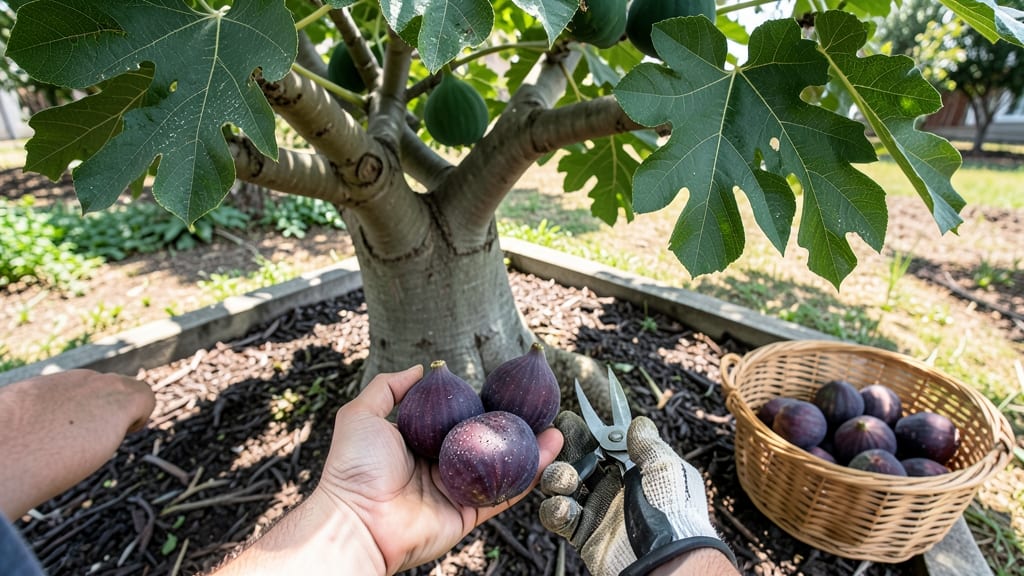
Harvesting fig fruit at the right time means the difference between a burst of sweet, honeyed flavor and a mealy, flavorless disappointment.
Figs ripen in a matter of days, and picking them at the wrong time means sacrificing sweetness, texture, and even flavor—so knowing exactly when to harvest is key to a perfect crop. 🍈 One day too early, and you’re left with tart, underripe fruit; one day too late, and they turn to mush.
In USDA Zone 6a, where spring planting sets the stage for summer’s bounty, your harvest window opens in late August and stretches into October. But timing isn’t just about the calendar—it’s about color, texture, and that telltale give when you gently twist a fig from the branch.
Below, I’ll walk you through the visual cues to spot, the best practices for different varieties, and how to handle your harvest once it’s in your hands—so you can enjoy figs at their peak for as long as possible.


How to identify the perfect ripeness for fig harvesting
Figs ripen faster than you might think—sometimes just 24 to 48 hours can turn a firm fruit into a mushy one. The key to harvesting at peak ripeness lies in watching for three critical visual and tactile cues: color consistency, texture changes, and stem separation.
Ignoring these signs often leads to either underripe figs (tart and seedy) or overripe figs (soft, mealy, and prone to spoilage).
Start by examining the skin color—ripe figs develop a deep, uniform hue, whether purple, brown, or green, depending on the variety. A patchy green or uneven coloring means the fruit needs more time on the tree.
Next, give the fig a gentle squeeze: it should yield slightly, like a ripe peach, but not feel mushy. Finally, check the stem—if it separates cleanly with a slight twist, that’s your green light to harvest.
One common mistake I see is harvesting figs based solely on calendar dates. While most figs ripen between late summer and fall (August to October in most climates), heat waves or early frosts can shift this window. Always prioritize the fruit’s physical cues over assumptions about timing.
Another pitfall is waiting too long for figs to ripen on the tree, especially in cooler climates. Figs ripened off the tree (like Brown Turkey or Celeste varieties) will continue softening indoors, but they’ll never reach their full sweetness.
For these types, harvest when the skin is 70-80% colored and let them ripen at room temperature.
| Ripeness Stage | Color Cues | Texture Test | Stem Test | Flavor Profile |
|---|---|---|---|---|
| Underripe | Green patches, dull hue | Hard, firm, no give | Stem tears or resists | Tart, seedy, bland |
| Perfectly Ripe | Deep, uniform color | Slightly soft, yields to pressure | Stem detaches cleanly | Sweet, honey-like, juicy |
| Overripe | Dull, wrinkled skin | Mushy, mealy interior | Stem falls off easily | Fermented, mushy, bitter |
| Tree-Ripened (Off-Tree) | 70-80% colored | Firm but yielding | Stem detaches with twist | Sweetens indoors (1-3 days) |
For tree-ripened figs (like Black Mission or Desert King), timing is everything. These varieties must ripen on the tree to develop their full flavor.
If you’re in a cooler climate, like USDA Zone 6 or 7, harvest these figs as soon as they’re 70% colored and move them indoors to a warm spot (70-75°F). They’ll ripen in 2-3 days, but never refrigerate them—cold temperatures destroy their texture and sweetness.
If you’re growing smyrna-type figs (like Celeste or Panache), they require a second pollination from wasps to ripen.
These figs won’t soften on the tree without this step, so harvest them when they’re fully colored but still firm, then place them in a paper bag with a ripe banana or apple to speed up ripening with natural ethylene gas.
One trick I’ve learned is to harvest figs in the morning when temperatures are cooler. This reduces stress on the tree and helps preserve the fruit’s moisture content. Avoid harvesting after rain, as wet figs bruise easily and spoil faster.
Always use clean pruning shears or your hands—never pull figs off the tree, as this can damage the branches.
To test for ripeness, I recommend the "thumb press" method: gently press a fig with your thumb. If it leaves a slight indentation but doesn’t feel mushy, it’s ready. For green figs (like Brunswick or Violette de Bordeaux), wait until the skin turns a deep purple or burgundy.
These varieties are often harvested underripe for shipping, so give them extra time on the tree.
Finally, keep an eye out for bird activity—if birds are pecking at your figs, they’re likely ripe! While this might feel frustrating, it’s a natural sign that your fruit is ready.
To protect your harvest, cover trees with bird netting once figs reach 50% ripeness. This also prevents fruit from splitting or falling prematurely.
Remember, every fig variety has its own ripening quirks. For example, Chicago Hardy figs ripen earlier in the season and tolerate cooler temperatures, while Black Mission figs need full sun and heat to sweeten properly.
When in doubt, harvest a few figs early and let them ripen indoors—you’ll quickly learn what works best for your climate and variety.
Best practices for harvesting figs by variety and climate
Harvesting figs at the right moment transforms a good crop into a flavorful feast. Each variety has its own peak ripening window, and climate shifts like heat waves or early frosts can drastically alter timing.
For example, Brown Turkey figs often ripen earlier than Black Mission varieties, while Chicago Hardy figs may extend their harvest into late fall. Understanding these nuances ensures you never miss the perfect sweetness or texture.
Your local climate plays a crucial role—cooler regions may need to harvest earlier in the season, while hotter zones might see a prolonged harvest. Heat waves can accelerate ripening, while unexpected early frosts can force you to act quickly.
Always monitor your figs daily during peak season, as they can go from perfectly ripe to overripe in just 24 hours.
| Variety | Peak Harvest Months | Climate Adaptations | Key Ripeness Cues |
|---|---|---|---|
| Brown Turkey | Late August - Early September | Early in cooler zones; extend to October in heat | Deep purple-red skin, soft to touch, fragrant |
| Black Mission | September - October | Late harvest in frost-prone areas; heat speeds ripening | Dark purple-black, jelly-like texture, stem detaches easily |
| Chicago Hardy | September - November | Cold-hardy; harvest before first frost | Greenish-brown, firm but yielding, sweet aroma |
| Celeste | Late September - October | Heat-sensitive; ripens faster in drought | Striped pink-white, soft skin, honey scent |
For Brown Turkey figs, aim to harvest in late August to early September when their skin turns a deep purple-red hue. These varieties are more heat-tolerant, but prolonged drought can cause them to ripen prematurely.
In cooler climates, you might need to harvest earlier, while hotter regions can extend the window into mid-October. Always check for softness and a fragrant aroma—these are your best indicators.
If you're growing Black Mission figs, plan for a September to October harvest. These figs are late-season ripeners and thrive in warmer climates, but they’re also sensitive to early frosts.
In areas with unpredictable weather, monitor your trees closely and harvest as soon as the fruit turns deep purple-black and feels jelly-like when squeezed. The stem should also detach cleanly—a sign of peak ripeness.
For gardeners in USDA Zones 5-7, Chicago Hardy figs are a game-changer. These cold-hardy varieties can produce fruit well into November, but you’ll need to act fast if early frosts are forecasted. Look for greenish-brown skin that’s slightly firm yet yielding, and a sweet, honey-like scent.
Unlike other varieties, Chicago Hardy figs can often be left on the tree longer, but don’t wait too long—they’ll shrink and lose sweetness quickly.
Heat waves can accelerate ripening across all varieties, so keep an eye out for unexpected softening or color changes. If a late-season frost is in the forecast, harvest any remaining figs immediately, even if they’re not fully ripe.
Overripe figs can still be used in jams or baking, but their texture and flavor won’t be as vibrant. Always prioritize timely harvesting over perfection—your efforts will pay off with a sweeter, more rewarding crop.