
Pruning
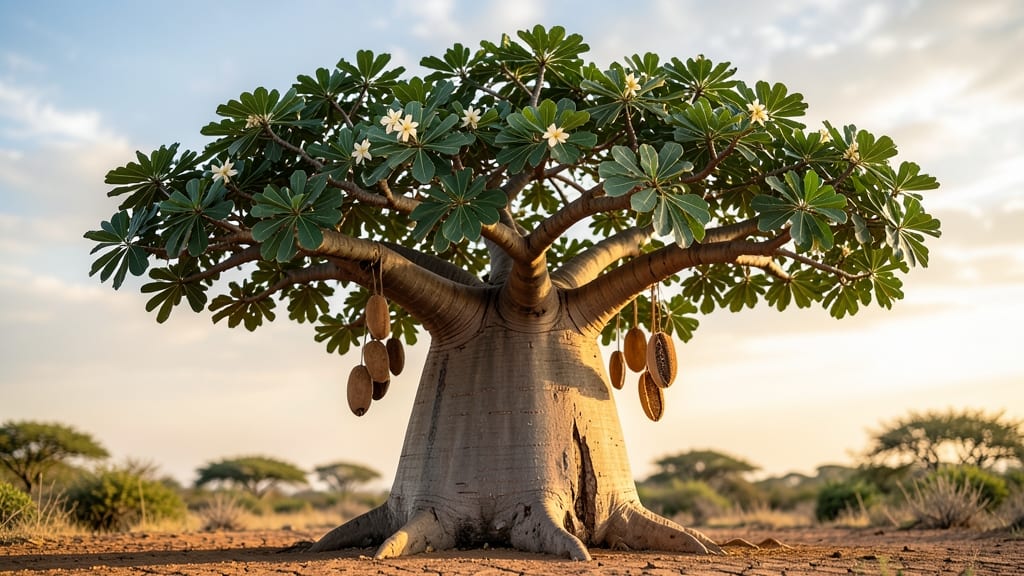
Growing a fruit baobab tree (Adansonia digitata) means planting a living monument—one that rewards you with year-round harvests of nutritious, drought-resistant fruit. 🌿 I’ve watched mine go from a sapling to a stately trunk in just a decade, and the key to its success lies in strategic pruning that balances growth and fruit production.
Unlike fast-growing trees, baobabs take patience, but the payoff—creamy, citrusy fruit that tastes like a mix of lemon and honey—is worth every wait.
The secret isn’t just cutting branches—it’s understanding when and how to shape the tree. Baobabs thrive in hot, dry climates (zones 9-11) and need well-draining soil, but they’re surprisingly adaptable once established.
Prune in late winter or early spring to remove dead wood and encourage new growth, but avoid heavy cuts that stress the tree. The goal is to create an open canopy that lets sunlight reach all sides, which is where the best fruit sets.
By mid-summer, you’ll see the first signs of fruit forming—small, green pods that swell into foot-long harvests by autumn. The fruit inside is packed with vitamin C, fiber, and antioxidants, and it keeps surprisingly well once dried.
My tree produces enough to share with neighbors, and the process of harvesting—climbing a ladder to pluck ripe pods—feels like tending to a living piece of history. The real magic happens when you taste the powdered fruit mixed into smoothies or baked goods.
This isn’t a quick-grow project—baobabs mature slowly—but the drought tolerance and low-maintenance care make them ideal for arid landscapes. If you’re in a cooler climate, grow one in a large container and bring it indoors during winter.
The key to success? Patience and pruning—two things that pay off in spades when your tree finally bears fruit. Ready to start your own living legacy?
📚 In This Guide
- What you need
- Instructions
- Tips and common mistakes
- Wrapping up and next steps
What you need
- ● Baobab tree seeds or saplings: 1-3 (ensure they’re disease-free and sourced from a reputable nursery).
- ● Well-draining soil: 3-5 bags (mix garden soil with perlite or sand for optimal aeration).
- ● Pruning shears: 1 pair (bypass pruners, sharp and sterilized).
- ● Gloves: 1 pair (thick, cut-resistant for handling thorns).
- ● Watering can or hose: 1 (with a gentle spray nozzle).
- ● Fertilizer: 1 bag (balanced 10-10-10 or organic compost for slow release).
- ○ Support stakes (optional for young trees): 2-4 (bamboo or wooden, 4-6 ft tall).
- ● Mulch: 1 bag (straw or wood chips to retain moisture).
- ● Tree pruning saw: 1 (for thicker branches).
- ● Disinfectant (alcohol or bleach solution): 1 bottle (to sterilize tools between cuts).
- ● pH test kit: 1 (to monitor soil acidity, ideal range: 6.0-7.5).
- ● Shade cloth: 1 roll (30-50% coverage for young seedlings).
Step-by-Step guide to pruning a fruit-bearing baobab tree
Here's how I keep my baobab tree healthy and productive year-round.
✂️ Step 1: Assess the Tree Structure in Early Spring
Begin pruning in late winter or early spring, just as new growth begins. This timing ensures you remove dead wood while avoiding the stress of summer heat or winter dormancy. Look for dead, diseased, or crossing branches—these are your top priorities. I use a sharp bypass pruner to make clean cuts at a 45-degree angle, just outside the branch collar where it meets the trunk.
Baobab trees have thick, woody branches, so never use dull tools. A jagged cut invites rot, and this tree's bark doesn't heal quickly. If you're unsure whether a branch is dead, scratch the bark—live wood will be green underneath. Remove any branches that rub against others, as friction weakens both over time.
✂️ Step 2: Thin the Canopy for Better Airflow and Fruit Production
Next, focus on thinning the canopy to improve airflow and sunlight penetration. Baobab trees produce fruit along young, sun-exposed branches, so dense growth reduces yields. Aim to remove 20-30% of the total foliage, targeting branches that grow inward or downward. I start from the outer edges and work toward the center, always cutting back to a lateral branch or bud.
Watch for water sprouts—fast-growing, weak shoots that appear after heavy pruning. These sap energy from the tree and should be removed immediately. If you see clusters of small leaves with no fruit, these are likely water sprouts. Use hand pruners for branches under ½ inch thick and a pruning saw for thicker limbs.
☀️ Step 3: Shape for Optimal Sunlight Exposure
Baobab trees thrive in full sun, so your goal is to create an open, umbrella-like shape that lets light reach the center. Step back and visualize the tree as a 50-foot-high dome—this is its natural form. Remove any branches that block sunlight from penetrating deeper than 10 feet into the canopy. I prune to encourage a broad, flat crown rather than a tall, narrow one.
Pay special attention to the lower branches. While baobabs can tolerate some shade, removing lower limbs improves air circulation and reduces humidity near the trunk, which helps prevent fungal diseases. Never remove more than ⅓ of the canopy in a single year—this tree grows slowly, and aggressive pruning stresses it.
⏰ Step 4: Post-Pruning Care for Recovery and Fruit Set
After pruning, water the tree deeply to 12 inches below the soil line to help it recover. Baobabs store water in their trunks, but new growth still needs moisture. Apply a balanced, slow-release fertilizer (10-10-10 ratio) in early spring to support regrowth. Avoid high-nitrogen fertilizers—they encourage leafy growth at the expense of fruit production.
Monitor the tree for new shoots emerging from the branch collars. These indicate healthy regrowth. If you notice yellowing leaves or wilting, reduce watering—baobabs are drought-tolerant and often suffer from overwatering. By mid-summer, you should see fresh, dark green foliage and the first signs of flower buds, which will develop into fruit.
✂️ Step 5: Light Maintenance Pruning Through the Year
Perform light maintenance pruning twice a year: once in late spring to remove any dead or diseased branches and again in early fall to shape for winter. Focus on deadheading spent flowers—this redirects the tree's energy toward new fruit production rather than seed development. Use clean, sterilized tools to prevent spreading disease.
If you notice fruit drop before ripening, it’s often a sign of overpruning or stress. Adjust your approach in the following year by pruning less aggressively. Baobabs are resilient, but they reward patience. A well-pruned tree will produce harvestable fruit for decades, with peak yields typically between 10 and 20 years of age.
Tips & tricks for pruning a fruit-bearing baobab tree
Mastering the art of baobab pruning takes patience—these insights will help you avoid common pitfalls while maximizing fruit production.
Tool Selection Matters: Invest in a sharp bypass pruner for clean cuts and a pruning saw for thicker branches. I've ruined three cuts using dull tools before realizing how critical sharpness is—baobab bark doesn't heal well from jagged edges. Sterilize your tools between cuts with rubbing alcohol to prevent disease transmission between branches. The 45-degree angle mentioned in Step 1 creates a natural seal that promotes faster healing.
Seasonal Timing is Non-Negotiable: The late winter or early spring window in Step 1 is crucial because it coincides with the tree's natural dormancy period. Pruning during active growth stresses the tree, while summer heat can dry out fresh cuts. I've seen baobabs recover beautifully from winter pruning but struggle with summer cuts that take months to heal. Mark your calendar for this precise timing—it's the difference between a thriving tree and one fighting to recover.
Visual Cues for Healthy Growth: When assessing branches in Step 1, look for three key indicators: green underneath the bark (live wood), firm texture (not brittle), and the presence of buds (signs of potential fruit production). I learned this the hard way after removing what I thought were dead branches—only to discover they were actually dormant but viable. For canopy thinning in Step 2, aim to create an open structure where sunlight can penetrate to the center. Think of it like sculpting—you're shaping the tree's future fruit-bearing capacity.
Post-Pruning Care Prevents Setbacks: The 12-inch deep watering after pruning is essential because baobabs store water in their trunks, but new growth still needs hydration. I've seen trees recover poorly when this step was skipped, especially in hot climates. Apply the balanced 10-10-10 fertilizer exactly as specified—high-nitrogen fertilizers will give you lush foliage at the expense of fruit production. Monitor for new shoots emerging from branch collars; these are your tree's way of telling you it's healing properly.
Pro Tips for Fruit Baobab Tree
- Mastering the art of baobab pruning takes patience—these insights will help you avoid common pitfalls while maximizing fruit production.
- Tool Selection Matters: Invest in a sharp bypass pruner for clean cuts and a pruning saw for thicker branches.
- Seasonal Timing is Non-Negotiable: The late winter or early spring window in Step 1 is crucial because it coincides with the tree's natural dormancy period.
Frequently asked questions
Got questions about growing and harvesting baobab fruit? You’re not alone! Here are answers to the most common queries to help you navigate your baobab tree journey with confidence.
How long does it take for a baobab tree to produce fruit?
A baobab tree typically takes 5–10 years to mature enough to produce fruit, depending on climate and care. Young trees focus on root and trunk growth first—patience is key! In ideal conditions (warm, dry climates), some may fruit earlier, but don’t expect harvests until the tree is at least 15–20 feet tall.
When is the best time to prune a baobab tree for fruit production?
Prune your baobab tree during late winter or early spring (just before new growth starts). Avoid heavy pruning in summer—this can stress the tree and reduce flowering. Focus on removing dead, diseased, or overcrowded branches to improve airflow and sunlight exposure, which boosts fruit yield.
Can I grow a baobab tree in a container, or does it need to be planted in the ground?
Baobab trees prefer ground planting due to their massive root systems, but young trees (under 5 years old) can thrive in large containers (50+ gallons) with well-draining soil. If indoors, place them near a sunny window or under grow lights. However, expect slower growth and smaller fruit yields compared to outdoor trees.
What can I do if my baobab tree isn’t flowering or fruiting?
If your baobab tree lacks flowers or fruit, check these factors:
- Age: It may still be too young (see Q1).
- Light: Ensure it gets full sun (6+ hours daily)—baobabs need intense light to flower.
- Soil/Nutrients: Test for low phosphorus or potassium; amend with compost or a balanced fertilizer.
- Watering: Overwatering stresses the tree—baobabs prefer drought-like conditions once established.
Are there any alternatives to baobab fruit if I can’t grow one?
If baobab fruit is hard to come by, try these similar superfoods with comparable benefits:
- Moringa powder: Packed with vitamins A and C, great for smoothies.
- Chia seeds: High in fiber and omega-3s; add to yogurt or oatmeal.
- Acai berries: Rich in antioxidants, often found in frozen or powdered forms.
- Local drumstick pods (moringa): Nutrient-dense and easy to grow in warm climates.
Wrapping up and next steps
The baobab tree’s fruit isn’t just a marvel of nature—it’s a rewarding harvest when you master the art of pruning! By following the right techniques, you’ll encourage healthier growth, boost fruit production, and enjoy a year-round supply of this nutrient-packed treasure.
Whether you’re a seasoned gardener or just starting, every trim brings you closer to a bountiful baobab bounty.
Ready to take the next step? Start small—pick one pruning task from this guide and observe how your tree responds. Over time, you’ll refine your skills and watch your baobab thrive! 🌱✨