
Succulent
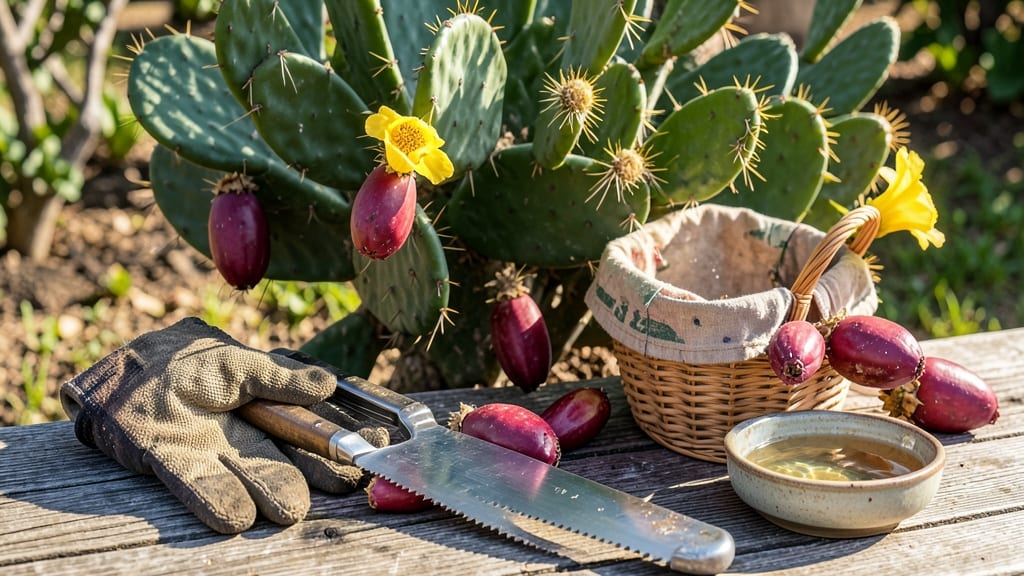
Fruits that grow on cactus plants include prickly pear (tuna) and dragon fruit (pitaya), both prized for their sweet, nutritious flesh and vibrant colors. Prickly pear has a mild, tangy flavor, while dragon fruit offers a kiwi-like texture with tropical undertones. Always harvest ripe, firm fruit and remove spines or peel carefully before eating.
Cactus fruits aren't just visually stunning—they're packed with nutrients and unique flavors that set them apart from conventional produce. 🌵 Prickly pear, often called the "peach of the desert," thrives in arid climates and comes in shades of red, yellow, or purple, while dragon fruit's vibrant magenta or yellow skin hides a speckled interior.
Both fruits are rich in antioxidants, fiber, and vitamin C, making them a superfood choice for health-conscious eaters. The key to enjoying them safely is knowing how to properly handle their protective spines or tough outer skins.
Identifying these fruits in the wild or at markets requires attention to detail. Prickly pears grow on paddles or globes with distinctive clusters of spines, while dragon fruit emerges from tall, columnar cacti with bright, scaly skin.
Always check for firmness and vibrant color—ripe specimens will yield slightly when gently pressed. 💫 Harvesting at the right time ensures maximum flavor and nutritional benefits, whether you're growing them in your backyard or sourcing them from specialty stores.
💡 In This Article
- Identifying Edible Cactus Fruits: Key Visual and Texture Clues
- Growing and Harvesting Cactus Fruits: Best Practices for Gardeners
Identifying edible cactus fruits: key visual and texture clues
Prickly pear fruits grow directly from the pads of Opuntia cacti, recognizable by their oval shape and vibrant colors ranging from deep magenta to golden yellow.
The skin is covered in clusters of glochids—tiny, hair-like spines that detach easily—while the flesh inside is jelly-like with tiny edible seeds. 🌵 Dragon fruit, or pitaya, emerges from Hylocereus cacti and features a scaly, leathery skin in magenta or yellow hues, with a bright pink or white interior speckled with black seeds.
Both fruits ripen in late summer to fall, with prickly pears often turning softer and slightly wrinkled when fully ripe.
The key difference between edible and toxic cactus fruits lies in their botanical families. Prickly pears and dragon fruits belong to the Cactaceae family, while dangerous lookalikes like Cereus species (such as night-blooming cereus) produce fruits with a bitter taste and thick, leathery skins.
Always examine the cactus itself: edible varieties have flat, paddle-like pads (prickly pear) or tall, columnar stems (dragon fruit), whereas toxic cacti often have ribbed, cylindrical shapes. 💫 Texture is another clue—ripe prickly pears yield slightly when pressed, while unripe ones feel rock-hard.
Seasonal cues matter too. In the Sonoran Desert, prickly pears ripen from July to September, while dragon fruit thrives in tropical climates like Southeast Asia and Central America, peaking from May to November.
Harvesting at the right time ensures peak flavor: prickly pears should detach easily from the pad, and dragon fruit should feel heavy for its size. 🌱 Never eat cactus fruits straight from the plant—always wash thoroughly to remove glochids or spines, then peel or deseed carefully using a knife or spoon.
Color variations can indicate ripeness or variety. Red prickly pears are sweeter than yellow, while white-fleshed dragon fruit tends to be milder than pink. Some dragon fruit varieties, like the Hylocereus undatus, have a kiwi-like tartness, while others lean toward a tropical mango flavor.
Always cross-reference with trusted sources, as some cacti (like the Saguaro) produce inedible fruits that resemble edible varieties. 🔍 When in doubt, consult a local botanist or cactus expert before consuming wild-harvested specimens.
Storage tips preserve freshness: prickly pears last 5-7 days in the fridge, while dragon fruit stays fresh for 3-5 days when refrigerated. Freezing is also an option—peeled and cubed, they retain texture well for smoothies or baked goods.
The key to safe consumption is patience: edible cactus fruits require careful handling, but their rewards—vibrant colors, unique textures, and nutrient density—make the effort worthwhile. 💫