
Fertilization
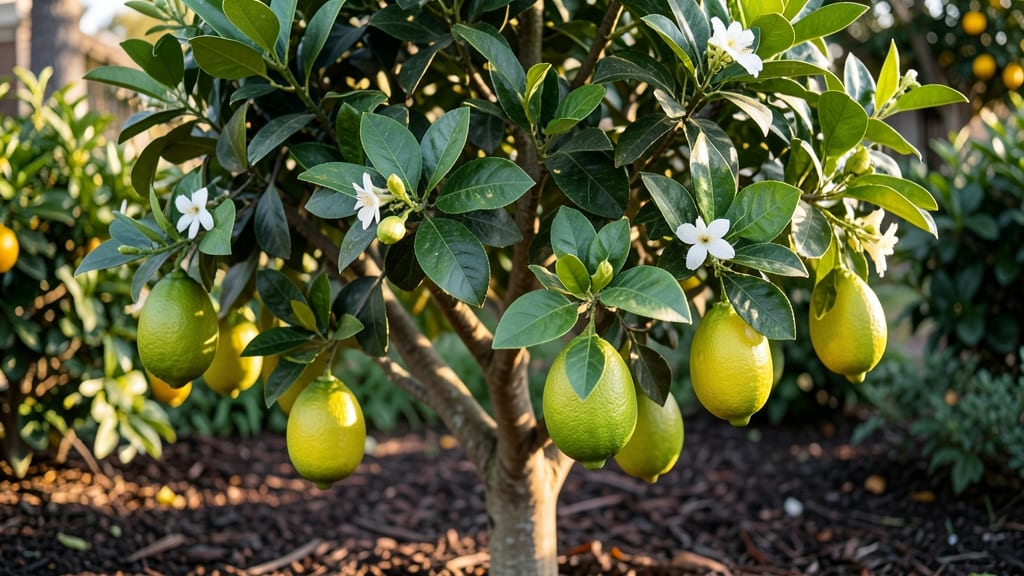
Growing giant lime trees means your kitchen could soon be stocked with 6-inch fruits that taste like sunshine and ocean breeze. 🌿 These aren't your grocery-store limes—they're the real deal, with thick skins and juicy, tangy-sweet flesh perfect for cocktails or marinades.
The best part? They thrive in containers, so even small spaces can grow them year-round.
Start with a dwarf variety like 'Mexican' or 'Bearss' lime, which stay manageable in 5-gallon pots or larger. These trees need full sun (6+ hours daily) and well-draining soil—think sandy loam mixed with compost.
Water when the top inch of soil feels dry, but avoid soggy roots, which can invite root rot. A balanced citrus fertilizer every 4-6 weeks in growing season keeps them producing like crazy.
By year two, you'll be harvesting dozens of limes per tree, their bright green skins turning yellow when ripe. The flavor? A bold, complex mix of tart and sweet that puts store-bought limes to shame.
Prune lightly after harvest to shape the tree and encourage air flow—just avoid heavy cuts, which can stress the plant.
Container-grown limes love warmth but hate frost. Bring pots indoors (or to a garage) when temperatures dip below 35°F, and watch them keep producing through winter. With the right care, your giant lime tree could outlive you—and that's a promise worth growing for.
📚 In This Guide
- What you need
- Instructions
- Tips and common mistakes
- Wrapping up and next steps
What you need
- ● Container: A large, durable pot (at least 15-20 gallons) with drainage holes. Terracotta or fabric pots work best for airflow.
- ● Well-draining potting mix: A blend of 60% citrus-specific soil, 20% perlite or pumice, and 20% compost (avoid garden soil—it compacts!).
- ● Giant lime tree: A dwarf or semi-dwarf variety (like ‘Meyer’ or ‘Bearss’ limes) for container growth. Buy a 1-3 year old tree from a nursery.
- ● Slow-release fertilizer: A balanced citrus fertilizer (e.g., 6-6-6 or 8-3-9) with micronutrients like iron and zinc.
- ● Organic matter: Worm castings or aged manure (½ cup per repotting) for extra nutrients.
- ● Mulch: Pine bark fines or straw (1-2 inches) to retain moisture and regulate temperature.
- ● Gloves & long sleeves: Protect yourself from thorns and sap.
- ● Trowel or small shovel: For repotting or mixing soil.
- ● Watering can with a rose attachment: Ensures gentle, deep watering.
- ● pH test kit: Limes thrive in slightly acidic soil (pH 6.0–7.0).
- ● Pruning shears: For shaping and removing dead branches.
- ● Citrus food supplements: Liquid fertilizers like fish emulsion or seaweed extract for a nutrient boost.
- ● Self-watering system: A drip irrigation kit to automate watering.
- ● Grow lights: If indoors, use full-spectrum LED lights (12–14 hours/day) for winter.
- ● Thorn-proof container liner: For extra protection if your tree gets spiky!
Step-by-step guide to growing giant lime trees in containers
Here's how to cultivate these striking, large-fruited citrus trees—perfect for patios or small yards.
🪴 Step 1: Select the Right Container and Soil Mix
Choose a 5-gallon or larger container with drainage holes—giant lime trees need room to develop their extensive root systems. I prefer unglazed ceramic pots because they wick away excess moisture while retaining warmth. Add a 3-inch layer of coarse gravel at the bottom to prevent compaction and improve drainage.
Use a well-draining citrus potting mix (equal parts peat moss, perlite, and coarse sand). Avoid garden soil—it compacts and suffocates roots. Mix in a slow-release citrus fertilizer (10-10-10 ratio) at planting time for an initial nutrient boost. The soil should feel like a damp sponge when squeezed—neither soggy nor bone-dry.
🌱 Step 2: Plant Your Giant Lime Tree Properly
Remove the tree from its nursery pot and gently loosen the roots if they're circling. Place it in the container so the root flare (where roots meet trunk) sits 1 inch below the soil line—this prevents stem rot while allowing roots to spread. Fill around the roots with your prepared mix, pressing lightly to eliminate air pockets.
Water deeply until it drains freely from the bottom holes. Giant limes hate soggy roots but need consistent moisture. I like to water until 20% of the mix runs out the drainage holes—this ensures the entire root ball gets hydrated. Avoid overhead watering, which can promote fungal diseases on the glossy leaves.
☀️ Step 3: Position for Maximum Sunlight and Protection
Giant lime trees thrive in full sun (6-8 hours daily) but tolerate partial shade in hot climates. Place your container in a south-facing spot where it gets morning sun and afternoon shade during summer. If growing indoors, position near a south-facing window or under grow lights for 12-14 hours daily—these trees need intense light to fruit.
Protect young trees from strong winds—their large leaves can tear easily. I place mine near a sheltered wall or use burlap windbreaks if needed. Watch for leaf scorch (brown edges) in summer—this signals too much direct heat. Move the tree to a shadier spot if you notice this, but never in full shade.
💧 Step 4: Water and Fertilize for Optimal Growth
Water when the top 2 inches of soil feel dry—giant limes need 1-2 gallons weekly in summer, less in winter. I check moisture by sticking my finger in the soil; if it's dry at 1 inch deep, it's time to water. Always water at the base, not the leaves, to prevent fungal issues.
Feed every 4-6 weeks during growing season (spring-fall) with a citrus-specific fertilizer. I use a half-strength liquid feed to avoid burning roots. In winter, reduce watering to every 2-3 weeks and stop fertilizing—this mimics their natural dormant period. Yellowing leaves often mean overwatering or nutrient deficiency—adjust accordingly.
✂️ Step 5: Prune and Support for Healthy Fruit Production
Prune in late winter or early spring before new growth begins. Remove dead, crossing, or inward-growing branches first—this improves air circulation and sunlight penetration. Thin out overly dense foliage to encourage larger fruit development. I aim to keep the tree open and airy, with light filtering through the center.
Giant limes produce heavy fruit, so support the tree with a sturdy stake or tree tie system if needed. Harvest fruit when it turns bright green and slightly soft—they won't ripen further off the tree. I use pruning shears to cut stems, leaving a small stub to prevent disease entry. Store harvested limes at room temperature for up to 2 weeks.
Tips & tricks for growing giant lime trees in containers
Real talk: These tropical beauties need special attention to thrive in containers. Here's what nobody tells you about keeping them happy and productive.
Container Size Matters: While the instructions call for a 5-gallon minimum, I've found that 7-10 gallon containers make a world of difference for mature trees. The extra space prevents root binding, which is the #1 reason container-grown citrus trees decline after 2-3 years. If you're starting with a young tree, upgrade containers every 1-2 years to match its growth—this mimics natural root expansion.
Soil Science Secret: The peat moss/perlite/sand mix is perfect, but here's the pro move: Add 1 cup of worm castings to every 5 gallons of mix at planting. The castings improve microbial activity in the soil, which helps your tree absorb nutrients more efficiently. I also recommend adding ½ cup of biochar—it increases water retention while preventing compaction, giving you the best of both worlds for container growing.
Light Optimization: Those 6-8 hours of sun are non-negotiable, but I've learned that supplemental grow lights can extend the growing season by 2-3 months in cooler climates. Use full-spectrum LED grow lights for 12-14 hours daily during winter months when natural light is limited. Position them 12-18 inches above the tree to prevent heat stress on the leaves.
Winter Care Strategy: When temperatures drop below 40°F, move your container indoors to a bright location. If you can't bring it inside, wrap the container (and tree) with bubble wrap and place it against a south-facing wall for protection. The key is to reduce watering to every 2-3 weeks and stop fertilizing entirely—this mimics their natural dormancy period and prevents root rot from excess moisture in cold soil.
Pro Tips for Giant Lime Fruit
- Real talk: These tropical beauties need special attention to thrive in containers.
- Container Size Matters: While the instructions call for a 5-gallon minimum, I've found that 7-10 gallon containers make a world of difference for mature trees.
- Soil Science Secret: The peat moss/perlite/sand mix is perfect, but here's the pro move: Add 1 cup of worm castings to every 5 gallons of mix at planting.
Frequently asked questions
Got questions about growing giant lime fruits in containers? You’re not alone!
Here are some of the most common queries—plus quick, practical answers to help you crush your citrus harvest.
How long does it take for a container-grown lime tree to bear fruit?
A healthy dwarf lime tree in a container typically starts producing fruit 2–4 years after planting. Patience pays off—young trees focus on root and branch growth first! For faster results, choose a grafted tree (like ‘Meyer’ limes) or use growth boosters like seaweed extract in your fertilizer routine.
Why aren’t my lime fruits growing big like the ones in stores?
Store-bought giant limes are often hybridized or treated with growth hormones, but container-grown limes can still reach impressive sizes! Ensure your tree gets:
- Full sun (6–8+ hours daily)
- Well-draining soil (mix potting soil with perlite)
- Regular feeding (citrus-specific fertilizer every 4–6 weeks)
- Consistent watering (keep soil moist but not soggy)
Can I grow giant limes in small pots, or do I need a large container?
Size matters! While dwarf varieties (like ‘Improved Meyer’) thrive in 15–25 gallon pots, they’ll produce bigger fruit in larger containers (30+ gallons). Root-bound trees struggle to support heavy fruit loads. Upgrade pots every 2–3 years and prune roots gently during repotting to encourage growth.
How do I know when giant limes are ripe and ready to pick?
Ripe giant limes turn bright yellow-green (not fully green or brown) and feel slightly soft when gently squeezed. They’ll also slightly detach from the tree when twisted. Pro tip: Taste one! Overripe limes get bitter, but underripe ones lack sweetness. Harvest in the morning for peak flavor.
Are giant limes self-pollinating, or do I need bees for fruit set?
Most lime varieties are self-pollinating, but cross-pollination by bees or wind can boost fruit size and yield. To help:
- Plant companion pollinator-friendly flowers (like marigolds or basil) nearby.
- Gently shake the tree during blooming to encourage pollen transfer.
- Avoid heavy pesticides, which can harm pollinators.
Can container-grown lime trees survive winter, or do I need to bring them inside?
It depends on your climate! Hardy dwarf limes tolerate brief chills down to 20°F (-7°C), but prolonged cold (<15°F/-9°C) risks damage. For safety:
- Move pots to a sheltered spot (like a garage or against a sunny wall).
- Wrap the container in bubble wrap for insulation.
- Reduce watering to prevent root rot.
Wrapping up and next steps
Growing giant lime fruit in containers isn’t just possible—it’s a rewarding way to enjoy fresh, homegrown citrus year-round! 🌱 With the right soil, fertilizer, and care, you can transform your balcony or patio into a citrus paradise.
Whether you’re a seasoned gardener or a beginner, this guide proves that even small spaces can yield big harvests.
Ready to take the next step? Start by planting your lime tree this weekend and watch your container garden thrive. Share your progress with fellow citrus enthusiasts—your journey might inspire someone else’s green thumb adventure!