
Size
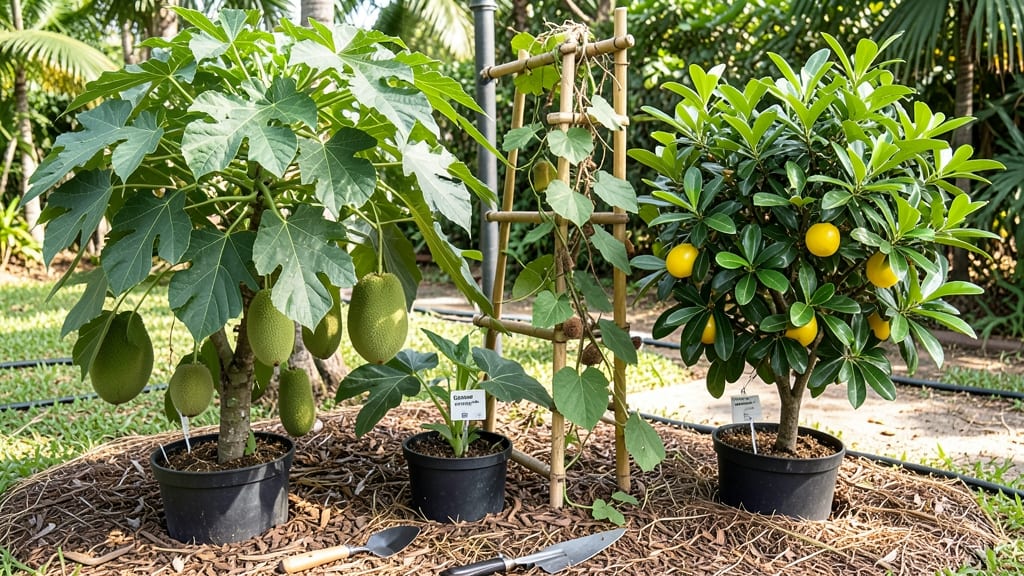
Your backyard could soon be the talk of the neighborhood with grow a garden of rare fruits like dragon fruit, passionfruit, and pomegranates—no tropical getaway required. 🌿 I’ve grown everything from hardy pawpaws to delicate yuzu citrus, and the secret isn’t just picking the right varieties—it’s understanding their quirks before they even sprout.
Some need winter chilling, others thrive in heat, and a few demand special soil pH. But once you crack the code, you’ll harvest fruits most grocery stores can’t even stock.
The first step is matching plants to your climate—zones 7-9 open doors to citrus and figs, while cooler zones can handle pawpaws and hardy kiwis. Soil prep is just as critical: most rare fruits hate soggy roots but need consistent moisture, so raised beds or mounds work wonders.
I’ve learned the hard way that skipping this step means stunted growth or worse. Start with well-draining soil mixed with compost, and add a slow-release fertilizer to give them a strong foundation.
By late summer, you’ll taste the payoff: sweet, fragrant fruits that look like they belong in a botanical garden, not your backyard. Dragon fruit’s magenta flesh, passionfruit’s tangy bursts, or the crunch of a homegrown persimmon—these aren’t just harvests, they’re experiences.
The key is patience; some plants take years to fruit, but the wait is worth it when you’re the only one in the block with a tree heavy with exotic harvests.
Whether you’re starting with a single plant or planning a full orchard, the principles stay the same: research, adapt, and enjoy the journey. Rare fruits aren’t just about the end result—they’re about the adventure of growing something truly special. Ready to get started?
📚 In This Guide
- What you need
- Instructions
- Tips and common mistakes
- Wrapping up and next steps
What you need
- ● Rare fruit plants: Choose 3–5 varieties (e.g., lychee, dragon fruit, passionfruit, or longan). Start with 1–2 plants per type for manageable yields.
- ● Well-draining soil: 50 lbs of potting mix (for containers) or amend garden soil with compost and perlite (ratio: 60% soil, 30% compost, 10% perlite).
- ● Containers or garden space: For containers: 15–25 gallon pots (minimum 18" diameter) with drainage holes.
- ● For ground planting: 6+ hours of sunlight daily in USDA Zones 9–11 (or greenhouse alternatives for cooler climates).
- ● Fertilizer: Balanced organic fertilizer (e.g., 10-10-10) or citrus-specific feed (apply every 4–6 weeks).
- ● Mulch: 2–3 inches of wood chips or straw to retain moisture and regulate soil temp.
- ● Watering system: Drip irrigation or hose with nozzle (rare fruits hate soggy roots!).
- ● Pruning shears (for shaping and harvesting).
- ● pH testing kit (ideal range: 5.5–7.0 for most rare fruits).
- ● Trellis or stakes (for vining plants like passionfruit).
- ● Frost cloth (if growing in Zones 8 or below).
- ● Glove (some fruits, like durian, have spiky surprises!).
Step-by-step guide to growing exotic fruits at home
Turn your backyard into a tropical paradise with these rare fruits—just follow my proven approach.
🌱 Step 1: Select the Right Varieties for Your Climate
Not all exotic fruits thrive everywhere, so start by choosing plants suited to your USDA hardiness zone. For example, lychee and mango love zones 10-11, while figs and persimmons adapt well to zones 5-9. I always check the mature size too—some dwarf varieties like meyer lemon stay under 6 feet, while others spread into small trees.
Buy container-grown plants from specialty nurseries to avoid nursery shock. Avoid seeds unless you're growing papaya or passionfruit, which germinate easily. For rare fruits like sapodilla or longan, look for grafted trees—they fruit faster and more reliably than seed-grown plants.
☀️ Step 2: Mimic Tropical Conditions in Your Garden
Most exotic fruits need full sun (6+ hours daily) and well-draining soil with a slightly acidic pH (6.0-6.5). Amend heavy clay soil with 2-3 inches of compost and a handful of sulfur to lower pH if needed. I test soil first—many exotic fruits wilt if the pH is off.
For cooler climates, grow heat-lovers like banana or guava in large containers you can roll indoors during frost. Use black plastic mulch in spring to warm the soil 5-10°F faster—this tricks plants into thinking it's summer. Mulch also retains moisture, which exotic fruits crave.
💧 Step 3: Water Deeply and Consistently
Exotic fruits hate dry spells but also waterlogged roots. Water deeply 2-3 times per week until top 6 inches of soil feel moist—not soggy. I use a soaker hose to deliver water slowly at the base, avoiding wetting leaves (which invites fungal diseases like anthracnose in mangoes).
For container-grown plants, check soil moisture daily in summer—containers dry out faster. Let the top inch dry between waterings, but never let roots sit in saucers of standing water. Overwatering is the #1 killer of exotic fruit trees—roots rot before you notice.
✂️ Step 4: Prune for Shape and Fruit Production
Prune lightly in late winter to remove dead, crossing, or inward-growing branches. Focus on opening the center of the plant for better airflow and sunlight penetration. I prune no more than 20% of the plant at once—aggressive cuts stress exotic trees, which are already sensitive to climate shifts.
Fruit-bearing branches need thinning too. For example, mango trees produce more quality fruit when you remove half the flower clusters—this lets the remaining fruit grow larger. Use sterilized pruners and seal larger cuts with pruning sealant to prevent disease entry.
🪴 Step 5: Fertilize for Exotic Growth Needs
Exotic fruits are heavy feeders, so use a balanced fertilizer (10-10-10) in early spring, followed by a low-nitrogen, high-potassium blend (5-10-10) when flowers appear. I mix composted manure into the soil annually for slow-release nutrients—exotic plants respond well to organic matter.
Avoid high-nitrogen fertilizers in fruiting season—they promote leafy growth at the expense of fruit. Instead, side-dress with banana peels (rich in potassium) or crushed eggshells (calcium boost) to prevent blossom-end rot in fruits like papaya or figs. Always water fertilizer in well to prevent root burn.
⏰ Step 6: Protect and Pollinate for a Bountiful Harvest
Many exotic fruits need hand pollination—especially in containers or cool climates. Use a soft paintbrush to transfer pollen from male to female flowers in figs, loquats, or persimmons. Watch for fruit set (tiny fruits forming) as your reward—this means pollination worked!
Protect young fruit from birds and pests with netting or row covers. I’ve lost entire lychee crops to hungry birds—now I cover trees as soon as flowers appear. For aphids or scale, spray with neem oil weekly until pests disappear. Patience is key—exotic fruits take 2-5 years to bear reliably, but the wait is worth it.
Tips & tricks for cultivating exotic fruits in your backyard
Here's what I've learned after years of growing tropical fruits in my own garden—these tricks will help you avoid common pitfalls and maximize your harvest.
Climate Matching: When selecting your exotic fruit varieties, pay close attention to their mature size and growth habits. For example, while a full-sized mango tree can reach 60 feet in tropical climates, dwarf varieties like meyer lemon stay manageable at just 6 feet. This makes them perfect for smaller yards or container growing. I always check the mature height before purchasing to ensure it fits my space—nothing worse than realizing too late that your new tree will outgrow your patio!
Soil Science: The slightly acidic pH range of 6.0-6.5 mentioned in Step 2 is crucial—many exotic fruits won't thrive if the soil pH is off. I test my soil annually using a simple home test kit and adjust with sulfur if needed. For container plants, I mix in 2-3 inches of compost right from the start, as exotic fruits are heavy feeders that need consistent nutrients. Pro tip: Add a handful of composted manure to the planting hole before setting your tree—this gives roots an instant nutrient boost.
Seasonal Strategy: That 5-10°F soil temperature boost from black plastic mulch in Step 2 is a game-changer for cooler climates. I've seen this trick extend the growing season by 2-3 weeks for heat-loving varieties like banana and guava. For container plants, I take this a step further by using heat mats during early spring to keep roots warm. The key is to start this warming process 4-6 weeks before your last expected frost date—this gives your plants a head start on the growing season.
Pruning Precision: When thinning fruit clusters in Step 4, I recommend using a soft cloth to gently wrap around branches before cutting. This prevents sap from spraying everywhere and makes cleanup easier. For mango trees, I thin aggressively—removing 50% of flower clusters—because this forces the remaining fruits to grow larger and develop better flavor. Remember that exotic fruits are sensitive to stress, so never prune more than 20% of the plant at once, and always use sterilized tools to prevent disease spread.
Pro Tips for Grow A Garden Rare Fruits
- Here's what I've learned after years of growing tropical fruits in my own garden—these tricks will help you avoid com...
- Climate Matching: When selecting your exotic fruit varieties, pay close attention to their mature size and growth hab...
- Soil Science: The slightly acidic pH range of 6.0-6.5 mentioned in Step 2 is crucial—many exotic fruits won't thrive ...
Frequently asked questions
Got questions about growing rare fruits?
You’re not alone—these exotic plants can be tricky! Below, we’ve rounded up the most common queries to help you plan, troubleshoot, and succeed in your backyard orchard.
What are the easiest rare fruits to grow for beginners?
Start with low-maintenance varieties like figs (thrive in heat), pomegranates (drought-tolerant), or passionfruit (fast-growing vines). Citrus (e.g., meyer lemons) and black sapote are also beginner-friendly if you live in a warm climate. Avoid finicky tropicals like durian or mangosteen unless you’re in Zone 10+. Pro tip: Check your USDA zone before buying!
How long does it take for rare fruit trees to bear fruit?
Patience is key! Dwarf varieties (like dwarf citrus) may fruit in 2–3 years, while larger trees (e.g., persimmons) can take 4–6 years. Vining fruits like kiwi or passionfruit may produce in 1–2 years if given trellis support. Boost success: Use growth hormones or grafted trees to speed up fruiting.
Can I grow rare fruits in containers? Which ones work best?
Opt for dwarf varieties or bush types like dwarf banana, container-friendly figs, or patio citrus. Use 15–30 gallon pots with drainage holes and a mix of potting soil + compost. Avoid heavy trees like avocado or jackfruit—they need deep roots. Move pots indoors if temps drop below 40°F.
What’s the biggest challenge when growing rare fruits, and how do I fix it?
Pests and diseases are the top villains! Scale insects (on citrus), fruit flies (in tropicals), and fungus (like powdery mildew) are common. Prevent with:
- Neem oil for pests
- Copper fungicide for mildew
- Yellow sticky traps for fruit flies
- Prune for airflow (reduces humidity-related issues)
What if I don’t have a yard? Can I still grow rare fruits?
Yes! Urban gardeners can thrive with balcony gardens, community plots, or indoor hydroponics. Try:
Bonus: Join a fruit-sharing network (like LocalHarvest) to swap cuttings or grafts!
Wrapping up and next steps
Growing rare fruits in your backyard isn’t just a dream—it’s a rewarding adventure that brings exotic flavors and lush beauty right to your doorstep! 🌱 From tropical passion fruits to fragrant lychees, every step you take nurtures not just plants, but a sense of accomplishment and curiosity.
Start small, stay patient, and let your curiosity guide you—whether you’re experimenting with new varieties or perfecting your green thumb.
Ready to take the next step? Pick one rare fruit to plant this season and dive in! Research local climate tips, connect with fellow gardeners, or even visit a specialty nursery for cuttings. Your exotic harvest awaits—happy growing! 🍍✨