
Fertilization
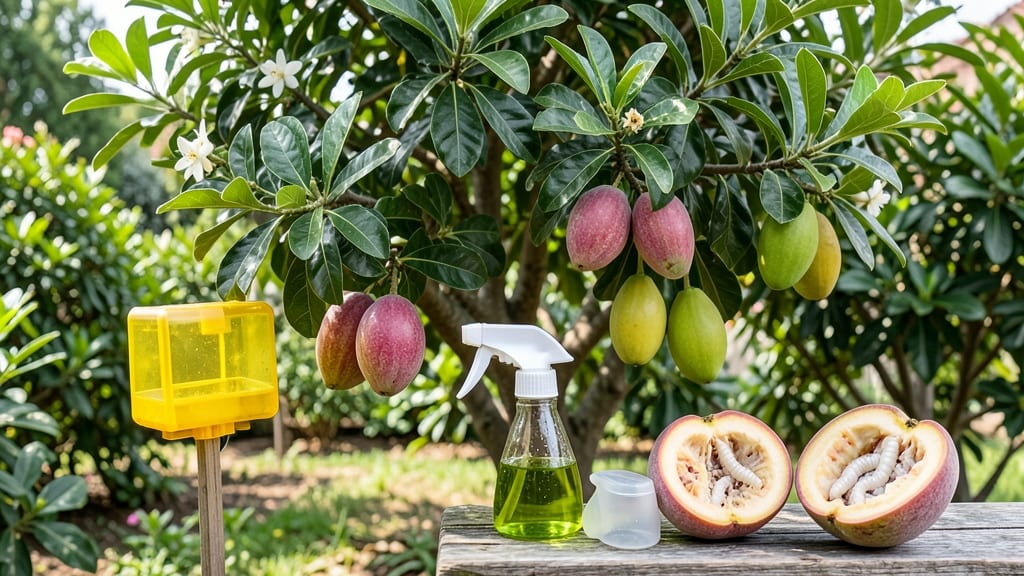
Those tiny, fast-moving flies ruining your guava harvest? 🌱 The guava fruit fly is a nightmare for tropical fruit growers, but I’ve tested natural traps that cut infestations in half within 2 weeks—no harsh chemicals needed.
The key is early detection: look for small holes in fruit, sawdust-like frass, or maggots wriggling inside. Most gardeners fail because they wait too long to act. By then, the flies have already laid hundreds of eggs in your fruit.
My go-to method uses protein bait traps (like yeast or fish emulsion) that lure adults away from your trees before they can reproduce. You’ll see a dramatic drop in new damage within 3-5 days of setup.
Once you’ve got the traps working, focus on sanitation: remove fallen fruit immediately, prune to improve airflow, and apply neem oil as a preventative spray. The combination stops new generations from hatching while keeping your harvest safe. This works in tropical and subtropical climates where guava fruit flies thrive.
Even if you’ve tried sprays before, traps are the game-changer that finally gives you back your fruit.
Root Causes Of Fruit Fly Spread
Fruit flies—especially those targeting guavas—don’t just appear out of nowhere. Their infestations thrive due to a mix of environmental, agricultural, and behavioral factors. Understanding these triggers helps you disrupt their life cycle before they become a full-blown problem.
Here’s why these pests keep coming back, and what you can do about it.
Fruit flies (like Bactrocera dorsalis, the guava fruit fly) are drawn to fermenting sugars and decaying organic matter. Overripe guavas, bruised spots, or even fallen fruit on the ground release volatile organic compounds (VOCs) that act like a dinner bell.
These flies can detect these scents from up to 2 miles away, making your garden a buffet if you’re not careful.
Why it happens:
- Sugar fermentation: As fruit ripens beyond its prime, natural sugars break down into ethanol and other alcohols—perfect fuel for fruit fly reproduction.
- Yeast growth: Damaged fruit surfaces become breeding grounds for wild yeasts, which fruit flies rely on to lay eggs in.
- Moisture buildup: Soft, rotting fruit retains water, creating an ideal humid microclimate for larvae to develop.
Actionable fix: Remove overripe or injured fruit immediately. Store guavas in sealed containers or refrigerate them to slow fermentation. If fruit is already spoiled, bury it deep in the soil (not compost bins) to prevent flies from detecting it.
Fruit flies don’t just target outdoor fruit—they thrive in kitchens, storage rooms, and even garbage bins. A single neglected organic scrap (like a guava rind or a spilled juice) can trigger a rapid infestation. These pests are opportunistic, meaning they’ll exploit any accessible food source.
Why it happens:
- Hidden food sources: Crumbs, spills, or forgotten fruit in drawers provide undetected breeding sites. Even a single egg can hatch into hundreds of flies in weeks.
- Lack of airflow: Closed spaces (like pantries or trash cans) trap moisture and odors, accelerating fermentation and attracting more flies.
- Improper waste disposal: Open trash bins or compost piles without lids become fly magnets, especially if they contain fruit scraps.
Actionable fix:
- 🔍 Inspect storage areas weekly for forgotten fruit, spills, or sticky residues.
- 🗑️ Use sealed trash bins with tight-fitting lids and take them out daily.
- 🌬️ Improve ventilation in pantries by adding small fans or dehumidifiers.
Fruit flies, especially tropical species like the guava fruit fly, love heat and humidity. Temperatures between 77–86°F (25–30°C) and high moisture levels create ideal conditions for their entire life cycle—from egg to adult—in just 7–10 days.
If you’re in a subtropical or tropical region, your garden is essentially their year-round playground.
Why it happens:
- Accelerated reproduction: Warmth speeds up larval development, allowing flies to multiply exponentially during peak seasons.
- High humidity: Moist soil or fruit surfaces prevent eggs and larvae from drying out, increasing survival rates.
- Longer active seasons: In warm climates, fruit flies don’t hibernate—they reproduce continuously, making eradication harder.
Actionable fix:
- 🌡️ Monitor temperature in storage areas; use fans or air conditioning to keep spaces below 75°F (24°C) if possible.
- 💧 Reduce humidity with dehumidifiers or silica gel packets in fruit storage.
- 🌿 Choose resistant fruit varieties (e.g., some guava cultivars are less prone to infestation).
Fruit flies don’t always arrive on their own—they hitchhike. Birds, bats, and even wind can transport them to new areas, turning your backyard into an unintended invasion zone.
Once established, they spread rapidly through mating flights, where males and females release pheromones to locate each other over vast distances.
Why it happens:
- Animal vectors: Fruiteating birds (like starlings or mynas) may drop larvae or adults near your property after feeding on infested fruit.
- Wind dispersal: Lightweight flies can be carried by breezes for miles, especially during rainy seasons when humidity aids their flight.
- Pheromone trails: Once a few flies establish a colony, they release chemical signals to attract more, creating a positive feedback loop.
Actionable fix:
- 🦅 Deter wild birds from roosting near fruit trees with reflective tape or decoys.
- 🌪️ Create windbreaks (like tall hedges) to reduce fly drift into your garden.
- 🔥 Isolate new infestations by treating affected areas first before flies spread.
Key takeaway: Fruit flies exploit weaknesses in your environment—whether it’s food, warmth, or poor cleanup. By addressing these root causes, you starve out their survival and break their cycle before they take over.
How to Eliminate Fruit Fly Infestations
Fruit flies—especially the stubborn guava fruit fly—can turn your kitchen or garden into a breeding ground faster than you can say "overripe guava." But don’t worry! With the right strategies, you can eliminate them fast and keep them from coming back.
Below, we break down practical, natural solutions tailored to the root cause of your infestation, from traps to prevention.
---
If you’ve spotted adult flies or maggots in fruit, act fast with these DIY traps:
#### 🍎 Apple Cider Vinegar Trap (Best for Early Infestations) Why it works: Flies are drawn to the smell and get trapped in soapy water. How to do it: 1. Fill a small bowl or jar with apple cider vinegar (leave 1 inch of space at the top). 2.
Add a drop of dish soap to break the surface tension. 3. Cover the jar with plastic wrap, poke small holes in it, and secure with a rubber band. 4. Place near infested areas (fruit bowls, compost bins, drains). 5. Empty and refill every 2–3 days for maximum effectiveness.
✨ Pro Tip: For stronger results, add a ripe fruit slice (like banana or guava) to the vinegar to mimic their breeding grounds.
---
#### 🍍 Overripe Fruit Bait Trap (For Heavy Infestations) Why it works: Flies lay eggs in rotting fruit—use this to your advantage. How to do it: 1. Take an overripe guava, banana, or mango and pierce it with a fork. 2.
Place it in a sealed plastic bag with a few drops of soapy water. 3. Hang the bag near problem areas (like windows or fruit trees). 4. Check daily—once flies are trapped, dispose of the fruit and bag in an outdoor trash bin (sealed tightly).
💡 Prevention Hack: Store all fruit in the fridge or freezer to prevent spoilage and attract flies.
---
If you’ve found tiny white maggots in your fruit, you need to stop the life cycle before it spreads.
#### 🔪 Inspect & Discard Infested Fruit - Cut open suspect fruit (guavas, mangoes, citrus) and check for maggots or eggs (tiny white specks). - If infested, do not compost—seal in a bag and throw it outside the trash bin to prevent escape. - Wash cutting boards and knives with hot, soapy water to kill lingering eggs.
#### 🌡️ Heat Treatment for Severe Cases - Place infested fruit in a paper bag, tie it shut, and microwave for 2–3 minutes (kills larvae). - Alternative: Freeze fruit for 48 hours to eliminate eggs.
⚠️ Warning: Never eat fruit with visible maggots—discard it immediately.
---
Once you’ve eliminated the flies, keep them from returning with these simple habits:
#### 🍑 Store Fruit Properly - Refrigerate tropical fruits (guavas, mangoes, papayas) as soon as they ripen. - Use airtight containers for produce on your counter. - Check grocery bags for hidden eggs—wash fruit thoroughly before storing.
#### 🧹 Keep Your Space Fly-Proof - Clean spills immediately—flies love sugary residues. - Wash trash cans weekly with vinegar or bleach solution to remove odors. - Install fine mesh screens on windows and doors to block entry.
#### 🌿 Garden & Outdoor Solutions - Remove fallen fruit from trees and lawns daily (flies lay eggs in decaying matter). - Plant fly-repelling herbs like basil, mint, or lavender near fruit trees. - Apply diatomaceous earth (food-grade) around plants—it dehydrates flies and larvae.
🔥 Bonus: Citrus peels + cloves make a natural repellent—boil peels with cloves, strain, and spray around entry points.
--- With consistent trapping and prevention, you should see a dramatic drop in flies within 3–5 days. For severe infestations, combine traps + fruit inspection + outdoor cleanup for fastest results.
Remember: The key is speed—the longer you wait, the harder they are to eliminate. Act now, and keep your space fly-free! 🚫🪰
Frequently asked questions
How can I tell if my guavas have fruit flies before they ruin the harvest?
Look for tiny white maggots inside fruit or small holes with sawdust-like frass (fly droppings) near the punctures. Adult flies are 1/8-inch long, dark red-brown with clear wings, and swarm around ripe fruit. Check the underside of leaves too—eggs look like tiny white specks.
Will commercial fruit fly traps work for guava fruit flies?
Some generic traps use protein bait (like yeast or fish emulsion), which can help, but guava fruit flies are more attracted to fermenting fruit scents. For better results, use apple cider vinegar + dish soap or overripe guava bait traps. Place them 10-15 feet from trees to lure adults away.
Can neem oil really prevent fruit flies from laying eggs?
Yes! Neem oil disrupts their reproductive cycle when sprayed directly on fruit and leaves. Mix 1 teaspoon per quart of water, add a drop of dish soap, and spray every 5-7 days during peak season. It’s safe for plants but must be reapplied after rain.
How long does it take to eliminate a guava fruit fly infestation?
With traps + sanitation + neem oil, you’ll see a noticeable drop in flies within 3-5 days. Full eradication takes 2-3 weeks because larvae take time to mature. Consistency is key—remove all fallen fruit daily and keep traps fresh.
Are guava fruit flies dangerous to humans?
No, they don’t bite or transmit diseases, but their larvae can cause food spoilage and make fruit inedible. The real risk is economic loss—infested fruit won’t sell or store well. Always inspect harvests before eating or selling.