
Fertilization
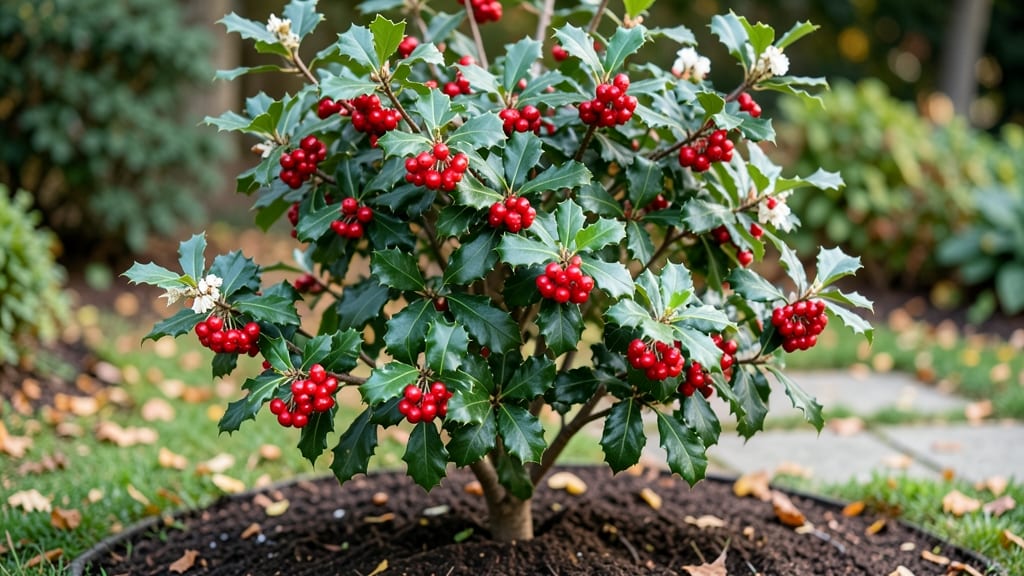
Transforming your yard into a year-round holiday display starts with the holly berry fruit—those iconic clusters that bring winter magic to life. 🌿 The key lies in choosing the right variety—English holly (Ilex aquifolium) for classic red berries or winterberry (Ilex verticillata) for stunning winter color—and giving them the perfect conditions to thrive.
I’ve grown both for years, and the difference between a berry-laden bush and a sparse one comes down to sunlight, soil, and pruning timing.
These plants need full sun to partial shade, well-draining soil rich in organic matter, and consistent moisture—especially during their first growing season. Male and female plants must be planted nearby for berries to form, and winterberry requires a different male pollinator than English holly.
Prune in late winter to encourage new growth where berries will develop, and avoid heavy pruning once flowers appear.
By midsummer, you’ll see tiny green berries forming, and with patience, they’ll ripen into vibrant red, orange, or yellow clusters by fall or winter, depending on the variety. The berries stay on the branches for months, providing food for birds and a festive touch to your landscape.
The best part? Once established, these plants need little care beyond occasional pruning and mulching.
Whether you’re planting for color, wildlife, or holiday cheer, holly berries deliver year-round interest with minimal effort. Start with the right variety for your climate, and you’ll have a bush that’s as rewarding as it is beautiful. Ready to get growing?
📚 In This Guide
- What you need
- Instructions
- Tips and common mistakes
- Wrapping up and next steps
What you need
- ● Holly Berry Plants: 2–5 cold-hardy hollyberry varieties (e.g., Ilex verticillata, Ilex glabra, or Ilex × ‘Nellie R. Stevens’)
- ● Note: Choose disease-resistant, berry-producing cultivars for best results.
- ● Soil & Fertilizers: 1–2 bags of well-draining potting mix (or garden soil amended with compost)
- ● 1 lb. balanced fertilizer (10-10-10 or 5-10-10 NPK ratio) for planting
- ● 1 lb. slow-release organic fertilizer (e.g., 10-0-0 or fish emulsion) for seasonal feeding
- ● Planting Supplies: 1–2 garden trowels (for transplanting)
- ● 1 shovel (for digging holes, 12–18 inches deep)
- ● 1 measuring tape (to ensure proper spacing: 6–10 ft. apart for mature plants)
- ● Watering Essentials: 1 hose with adjustable nozzle or watering can (1–2 gallons capacity)
- ● 1 mulch (3–4 inches of pine straw, wood chips, or shredded leaves)
- ○ Protection: 1 roll landscape fabric (to suppress weeds, optional but recommended)
- ● 1 frost cloth (for young plants in early spring/fall)
- ● 1 pH testing kit (to ensure soil pH is slightly acidic, 5.0–6.5)
- ● 1 pruning shears (for shaping and maintaining plant health)
- ● 1 bird netting (if wildlife is a concern for your berries)
- ● 1 drip irrigation system (for automated watering in dry climates)
- ● 1 plant support stakes (for young or top-heavy varieties)
Step-by-step guide to growing holly berry fruit in cold climates
Here's how to cultivate cold-hardy holly varieties that thrive year-round with minimal fuss.
🌱 Step 1: Select the Right Holly Variety for Your Climate
Choose a cold-hardy holly species like American Holly (Ilex opaca), Winterberry (Ilex verticillata), or Inkberry (Ilex glabra), all of which tolerate 10-25°F winters. Female plants produce berries, but you'll need at least one male plant nearby for pollination—most nurseries sell them as "berry producers," which includes both sexes.
Look for 1-3 year old container-grown plants at local nurseries. Avoid balled-and-burlapped specimens—they often suffer transplant shock. If your zone is Zone 5 or colder, opt for Winterberry varieties like 'Winter Red' or 'Southern Gentleman,' which handle frost better than American Holly.
🪴 Step 2: Plant in Well-Draining Soil with Full Sun Exposure
Holly thrives in acidic soil (pH 5.0-6.5), so amend heavy clay with 2-3 inches of peat moss or pine bark fines before planting. Dig a hole twice as wide as the root ball but only as deep—planting too deep suffocates roots and causes stress. Position the plant so the top of the root ball sits 1 inch above ground level.
Space plants 6-10 feet apart, depending on variety. Winterberries grow into large shrubs, while Inkberry stays compact. Mulch with 3 inches of pine straw or wood chips to retain moisture and suppress weeds, but keep mulch 6 inches away from the trunk to prevent rot.
☀️ Step 3: Provide Consistent Moisture and Fertilize Strategically
Water deeply twice weekly for the first year, ensuring the soil stays moist but not soggy. Holly roots need consistent moisture, especially during summer heat, but they hate "wet feet." You'll know moisture is right when the top 2 inches of soil feel damp to touch—probe with your finger before watering.
Fertilize in early spring with a balanced, slow-release 10-10-10 formula, applying ½ pound per 100 square feet. Avoid high-nitrogen fertilizers—they promote leafy growth at the expense of berries. For established plants, a single application in spring is enough; young plants may need a second feeding in midsummer.
✂️ Step 4: Prune for Shape and Health in Late Winter
Prune holly in late winter or early spring, just before new growth begins. Remove dead, diseased, or crossing branches first, then thin out crowded stems to improve airflow. Cut back to the nearest outward-facing bud to encourage bushier growth. Never prune into old wood—holly produces berries on new wood, and severe cuts reduce fruit production.
Shape the plant by selectively trimming to maintain its natural form. Holly responds well to pruning but doesn’t tolerate heavy shearing. If you’re growing it as a hedge, prune lightly in late spring after fruiting to avoid removing next year’s berries.
🍽️ Step 5: Harvest Berries at Peak Ripeness and Plan for Pollination
Berries typically ripen in late fall or winter, depending on the variety. They’re ready when fully colored—deep red for Winterberry, glossy black for Inkberry. Harvest by gently twisting clusters off the stems or cutting them with pruners. Wear gloves; holly spines are sharp, and berries can stain skin.
To ensure next year’s crop, plant at least one male holly within 30 feet of your female plants. Some varieties, like 'Jim Dandy,' are self-fertile, but cross-pollination usually yields heavier fruit. If berries fail to appear, check for nearby male plants or consider hand-pollinating with a soft brush in early spring.
Tips & tricks for perfect cold-hardy holly berry fruit cultivation
These pro tips will help you avoid common pitfalls and maximize your berry harvest in challenging climates.
Variety Selection: When choosing between American Holly, Winterberry, and Inkberry, consider your specific needs. Winterberry varieties like 'Winter Red' handle Zone 5 winters beautifully, but if you're in a milder climate, American Holly offers year-round foliage interest. I've found that container-grown plants establish faster than balled-and-burlapped specimens—look for 1-3 year old plants with healthy root systems that fill the pot.
Soil Preparation: The pH 5.0-6.5 requirement isn't just a recommendation—it's critical for berry production. Test your soil before planting, and if needed, amend with sulfur or peat moss. I've seen holly plants struggle in alkaline soils despite other perfect conditions. For heavy clay soils, mix in 2-3 inches of pine bark fines to improve drainage while maintaining that essential acidity.
Pruning Precision: In Step 4, when pruning in late winter, focus on removing only dead, diseased, or crossing branches first. The key is to cut back to outward-facing buds—this encourages bushier growth. I learned this the hard way after accidentally pruning into old wood, which resulted in fewer berries the following season. For hedges, always prune after fruiting to preserve next year's berry production.
Pollination Strategy: If you're planting multiple female plants, place at least one male within 30 feet for natural cross-pollination. For self-fertile varieties like 'Jim Dandy,' you can plant single specimens, but I've found that even these benefit from having another plant nearby. In early spring, if you notice poor berry set, hand-pollinate using a soft brush—this simple technique can dramatically improve your harvest.
Pro Tips for Holly Berry Fruit
- These pro tips will help you avoid common pitfalls and maximize your berry harvest in challenging climates.
- Variety Selection: When choosing between American Holly, Winterberry, and Inkberry, consider your specific needs.
- Soil Preparation: The pH 5.0-6.5 requirement isn't just a recommendation—it's critical for berry production.
Frequently asked questions
Can holly berries thrive in cold climates?
Holly berries are exceptionally cold-hardy, often surviving temperatures as low as -20°F (-29°C). Look for varieties like Ilex verticillata (winterberry) or Ilex glabra (inkberry) for year-round resilience. Just ensure they get full sun and well-draining soil to handle winter freezes.
How long does it take for a holly berry plant to bear fruit?
Patience is key—most holly berry plants take 3–5 years to produce fruit after planting. Female plants (which bear berries) require a male pollinator nearby. If you’re impatient, opt for a pre-pollinated cultivar like ‘Red Sprite’ winterberry, which simplifies the process.
Are holly berries edible, and how do I harvest them?
Yes! Many holly berries (like winterberry) are edible and rich in antioxidants. Harvest when fully ripe—usually late fall to winter—by gently twisting clusters off the stems. Warning: Some holly varieties (e.g., English holly) are toxic; always confirm the species before consuming.
What’s the best fertilizer for holly berry plants?
Use a balanced, slow-release fertilizer (e.g., 10-10-10) in early spring. Holly berries prefer slightly acidic soil (pH 4.5–6.0). Avoid high-nitrogen fertilizers, which promote leafy growth over fruit. A light mulch of compost in fall also boosts soil health naturally.
Why aren’t my holly berries ripening?
Common culprits include:
- Lack of pollination: Ensure a male plant is within 30 feet of females.
- Over-fertilizing: Too much nitrogen stunts fruit production.
- Poor sunlight: Holly berries need 6+ hours of sun daily.
- Immature plant: Younger plants may take longer to fruit.
Wrapping up and next steps
Growing holly berry fruit is a rewarding journey that brings beauty, resilience, and delicious rewards to your garden—even in colder climates! 🌿 With the right cold-hardy varieties and a few key fertilization tips, you’ll enjoy year-round bounties of vibrant berries and lush foliage.
Whether you’re a seasoned gardener or just starting, this guide gives you the confidence to cultivate thriving holly plants.
Now that you’re armed with the knowledge, take the next step! Start by selecting your favorite variety, gather your supplies, and give your holly bushes the love they deserve. Happy planting—your future berry harvests are waiting! 🍇✨