
Trees
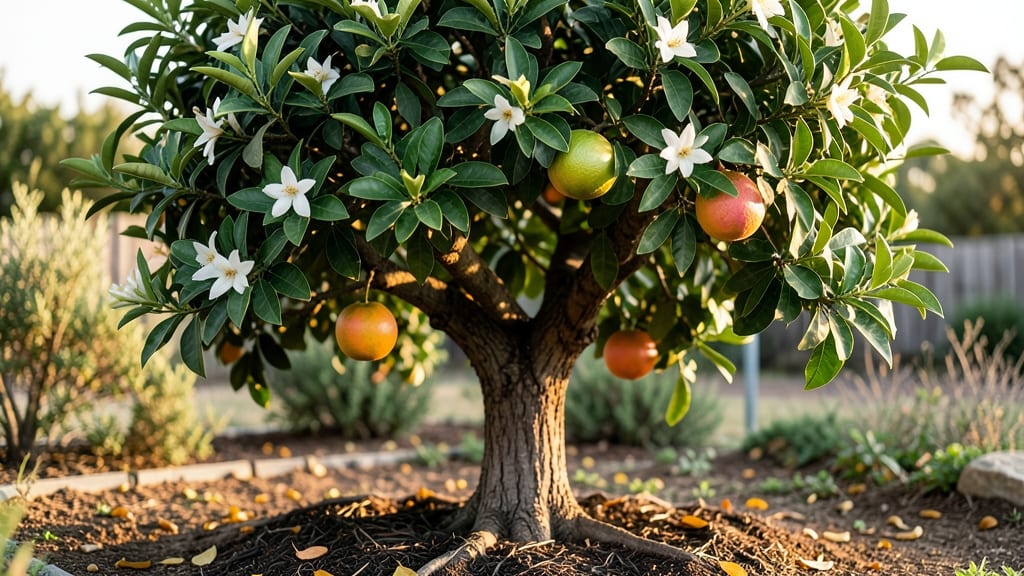
Grapefruit trees grow between 10 and 25 feet tall at maturity, with some varieties stretching even taller—so knowing their size is the first step to planning your citrus orchard or container garden.
Wondering if your backyard can accommodate a grapefruit tree? The size of these tropical giants varies dramatically by variety—and knowing their mature dimensions is key to planning your garden layout, container choices, or even urban farming space.
Standard varieties like Ruby Red or White Marsh can reach 20 feet or more, while dwarf types stay compact at 6-10 feet, making them perfect for patios or small yards. Without proper spacing, you risk overcrowding, poor fruit production, and even disease.
In this guide, I’ll break down the height and spread of popular grapefruit varieties, share spacing tips for full-size and dwarf trees, and reveal how pruning, soil, and climate affect their growth—so you can choose the right tree for your space.
Grapefruit tree size by variety: height and spread comparison
Choosing a grapefruit tree starts with understanding just how big these citrus giants can grow. Mature grapefruit trees typically reach heights between 15-25 feet, but varieties like Ruby Red or White Marsh can easily dwarf your backyard if not properly managed.
The spread of these trees is equally impressive, often matching their height with a 15-20 foot canopy. For container growing, dwarf varieties like Flying Dragon stay under 6-10 feet, making them perfect for patios or small urban spaces.
Your garden's layout depends entirely on the variety you choose. Standard grapefruit trees are the largest, while semi-dwarf varieties offer a compromise between size and fruit production. Even with careful pruning, these trees need ample space to thrive.
If you're working with limited square footage, container-growing might be your best bet—but be prepared for root-bound challenges if you don't upgrade pots regularly.
Here's a quick comparison of how different grapefruit varieties grow over time. The table below breaks down mature sizes, growth habits, and ideal spacing for each variety to help you visualize their impact on your garden.
| Variety | Mature Height | Mature Spread | Growth Habit | Ideal Spacing | Best For |
|---|---|---|---|---|---|
| Ruby Red | 18-25 ft | 15-20 ft | Fast-growing, upright | 20 ft from structures | Large yards, orchards |
| White Marsh | 15-20 ft | 12-18 ft | Moderate, rounded | 15 ft from structures | Suburban backyards |
| Pink | 16-22 ft | 14-19 ft | Fast-growing, dense | 18 ft from structures | Commercial orchards |
| Thompson | 12-16 ft | 10-14 ft | Compact, bushy | 12 ft from structures | Small gardens, containers |
| Flying Dragon (Dwarf) | 6-10 ft | 5-8 ft | Slow-growing, bushy | 6 ft from structures | Patios, balconies, containers |
The Ruby Red variety is one of the most popular for home growers because of its vibrant color and sweet-tart flavor. However, its 20-25 foot height means it's best suited for larger properties or orchards.
If you're limited to a small backyard, consider the Thompson variety, which stays between 12-16 feet tall and has a more compact growth habit. This makes it easier to manage while still producing a decent harvest.
For container growing, the Flying Dragon dwarf grapefruit tree is a game-changer. It tops out at just 6-10 feet, making it ideal for balconies, patios, or even large pots. Just remember that even dwarf varieties need adequate sunlight and well-draining soil to thrive.
Without these, you'll see stunted growth and poor fruit production, no matter how much you love that tiny tree.
If you're planting multiple grapefruit trees, spacing is critical. Standard varieties need at least 15-20 feet between them to prevent overcrowding and disease spread. In contrast, dwarf varieties
How to choose the right grapefruit tree size for your space
Choosing the perfect grapefruit tree size depends entirely on your available space and growing goals. Standard varieties can reach 20-25 feet tall, while dwarf options stay under 10 feet.
For urban gardens or patios, dwarf or semi-dwarf trees are ideal, but they still need proper care to thrive in containers. If you have a spacious yard, full-size trees offer better fruit production and longevity.
Container gardening opens up possibilities for small-space grapefruit growing. A 15-gallon pot works for dwarf varieties, while larger containers (30+ gallons) accommodate semi-dwarf trees. Just remember: root restriction slows growth and reduces fruit size.
In-ground planting gives trees more freedom to spread their 10-15 foot wide canopy, but requires careful planning for pruning and maintenance.
🌱 Grapefruit Tree Size Guide
Climate zones also influence tree size. In USDA Zone 9b and above, grapefruit trees grow most vigorously, reaching their full potential. Colder zones (like Zone 8) may stunt growth unless you choose cold-hardy varieties or grow trees in containers for winter protection.
For example, the Ruby Red grapefruit thrives in warmer climates but struggles below Zone 9.
If you're planning for urban gardens or small yards, prioritize dwarf varieties like 'Foster' or 'Melogold'. These stay compact but still produce abundant fruit. For commercial orchards, full-size trees maximize yield, but require 20+ feet of vertical clearance and proper irrigation systems.
Always factor in mature height when designing your layout—grapefruit trees don’t appreciate being cramped!
Don’t forget about pruning requirements. Dwarf trees need less aggressive pruning, while standard varieties require regular shaping to control their aggressive growth habit. If space is limited, consider espalier training to grow trees flat against walls or fences.
This technique works beautifully for balcony gardens or narrow urban lots while maintaining fruit production.
For container growers, choose a fast-draining potting mix with added perlite to prevent root rot. Larger pots mean slower growth but bigger fruit—aim for at least 3 feet of depth for semi-dwarf trees.
And remember: grapefruit trees are heavy! Use a stable dolly or cart when moving containers to avoid injury.