
Trees
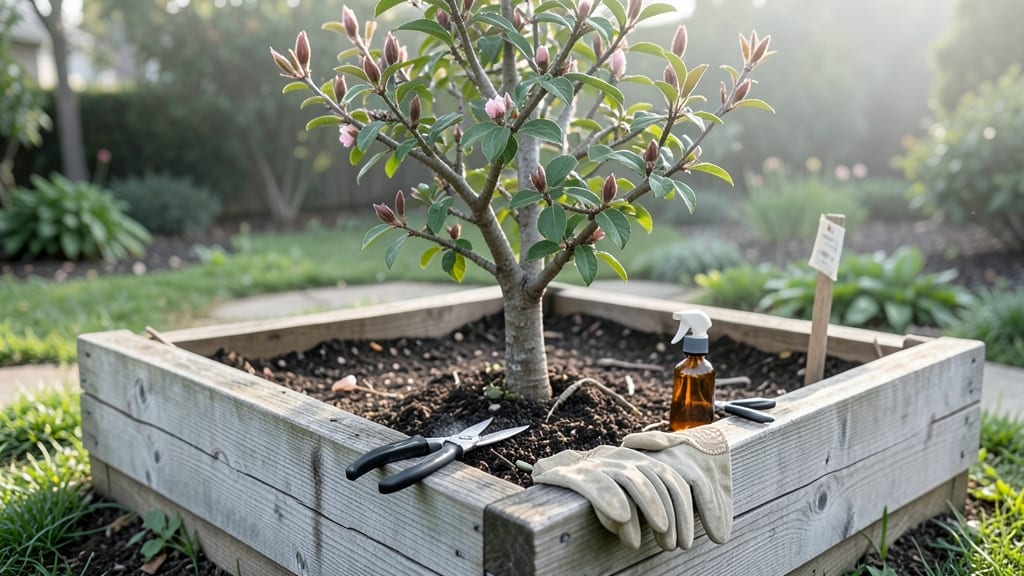
To keep fruit trees small, choose dwarf varieties, prune regularly to control growth, and space them properly for airflow. Use sharp tools during late winter pruning while avoiding excessive fertilizer to maintain compact size without sacrificing fruit production.
Dwarf fruit trees are bred to stay between 6 to 12 feet tall, making them perfect for small yards or container growing. 🌳 The key lies in their rootstock—dwarfing rootstock like M9 for apples or Citrange for citrus naturally restricts growth while keeping fruit quality high.
Pruning isn't just about size control; it's about directing energy toward fruit production by removing crowded branches and encouraging an open canopy. I've found that combining dwarf varieties with proper pruning techniques can turn even the smallest garden into a productive orchard.
For best results, focus on three-pronged care: variety selection, precise pruning, and seasonal maintenance. Start by choosing trees grafted onto dwarfing rootstock, then prune in late winter before new growth begins.
Always use clean, sharp tools to make clean cuts at a 45-degree angle just above outward-facing buds. This approach not only keeps trees manageable but also improves air circulation, reducing disease risks.
💡 In This Article
- Best Dwarf Fruit Tree Varieties for Small Gardens
- Step-by-Step Pruning Guide for Compact Fruit Trees
Best dwarf fruit tree varieties for small gardens
Dwarf fruit trees achieve their compact size through careful breeding and grafting onto specific rootstocks that restrict growth while maintaining strong fruit production. The rootstock—like M9 for apples or B9 for peaches—controls the tree's height, often reducing full-size trees from 20+ feet to just 6-12 feet.
For example, a standard apple tree on its own rootstock can reach 30 feet, but the same variety grafted onto M9 rootstock will stay under 8 feet while producing the same quality fruit.
Citrus trees like dwarf Meyer lemons or Calamondin oranges thrive in containers or small yards because their rootstock (Citrange or Flying Dragon) limits height to 6-10 feet. These varieties also mature faster—typically in 2-3 years—compared to standard trees that take 5-7 years.
The trade-off? Dwarf varieties may produce slightly smaller fruit, but the convenience and space-saving benefits make them ideal for urban gardens or patios.
When selecting varieties, consider your climate and fruit preferences. Dwarf apple varieties like 'Liberty' or 'GoldRush' resist disease and produce abundant fruit, while dwarf peaches like 'Bonanza' or 'Redhaven' thrive in warmer regions.
The key is matching the rootstock to your growing zone—some rootstocks perform better in cooler climates (e.g., MM.106 for apples), while others excel in heat (e.g., Lovell peach rootstock).
Container-growing options like dwarf figs or 'Patio' pears are perfect for balconies or small spaces. These varieties often require 10-15 gallon pots and benefit from regular repotting every 2-3 years to refresh the soil.
The rootstock's limited nutrient uptake naturally restricts growth, but you'll need to fertilize lightly (using half-strength balanced fertilizer) to avoid overstimulating the tree.
What most gardeners overlook is how rootstock affects fruit quality. While dwarf trees produce smaller fruit, the flavor and texture often match—or even exceed—that of standard trees. For instance, dwarf 'Honeycrisp' apples retain their signature sweet-tart balance, proving that size doesn't compromise quality.
The secret lies in the tree's ability to focus energy on fruit development rather than vertical growth.
For best results, pair your dwarf variety with proper spacing. Trees on dwarfing rootstock still need room to breathe—typically 6-8 feet apart for apples or peaches, and 4-6 feet for citrus. This spacing ensures airflow, reducing fungal diseases like powdery mildew that thrive in crowded, humid conditions. 🌿