
How To
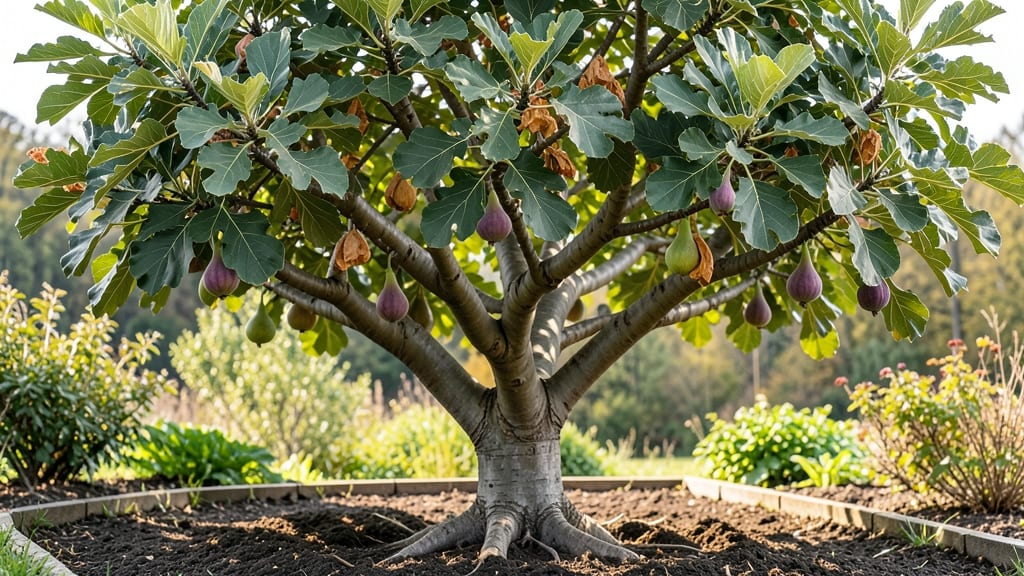
Fig trees take anywhere from 1 to 5 years to produce fruit, depending on the variety and growing conditions—so if you're eager to harvest your own 🍈, here’s what you need to know to speed things up.
Picture this: you’ve planted your fig tree in spring, watered it faithfully, and now you’re waiting for those sweet, sun-ripened figs. But why does it take so long? The answer lies in the variety you choose, your climate, and how well you care for it.
Some fig trees, like the Chicago Hardy, can bear fruit in as little as 1 year, while others, like the Brown Turkey, might take 3–5 years to mature.
The key is understanding your tree’s needs—whether it’s sunlight, soil, or the right pruning techniques—to help it reach fruiting stage faster.
In this guide, I’ll break down the timeline by variety, share the 5 biggest factors that affect fruiting time, and give you actionable tips to encourage your fig tree to produce fruit sooner—so you can enjoy homegrown figs in no time.
Fig tree fruit production timeline by variety: fastest to slowest
Fig trees are one of the fastest fruit-bearing trees you can grow, but their fruiting timeline varies dramatically by variety. Some varieties like Chicago Hardy can produce fruit in as little as 1 year, while others like Celestial may take 3–5 years to mature.
The key difference lies in whether they're early-bearing or late-maturing types. Understanding these timelines helps you set realistic expectations and choose the right variety for your climate and space.
Early-bearing fig varieties are bred to produce fruit quickly, making them ideal for container growing or small gardens. These varieties often have smaller root systems and faster growth rates, allowing them to focus energy on fruit production sooner.
Late-maturing varieties, on the other hand, prioritize tree establishment and may produce larger yields over time. Below, I’ve broken down the most popular varieties by their typical fruiting windows.
📌 Pro Tip: If you're impatient for figs, opt for dwarf varieties or container-grown trees, which often fruit faster due to reduced stress and focused energy. Some nurseries even sell pre-fruiting trees that are already 1–2 years old, cutting your wait time in half.
As you can see, Chicago Hardy and Little Miss Figgy are the fastest producers, making them perfect for urban gardeners or those with limited space. These varieties are also cold-hardy, which is a bonus if you live in USDA Zones 5–7.
Meanwhile, Celestial and Brown Turkey take longer to mature but reward you with larger fruit yields and better flavor once established.
Another factor that influences fruiting time is whether the fig tree is grown from a cutting or purchased as a nursery tree. Trees grown from cuttings often fruit faster because they’ve already undergone the rooting process and are genetically identical to the parent plant.
Nursery trees, while more expensive, come with a head start—some even produce fruit in their first year if given optimal conditions.
If you're growing figs in containers, expect a slightly delayed fruiting time compared to in-ground trees. Container-grown figs focus energy on root development first, which can take an extra 6–12 months.
However, containers offer mobility, allowing you to move your tree to sunnier spots or protect it from frost, which can actually speed up fruit production in the long run.
💡 Did You Know? Some fig varieties produce fruit on new wood (current year’s growth) while others rely on old wood (last year’s branches). Early-bearing varieties like Chicago Hardy often fruit on both, giving you a dual harvest in the same season.
Late-maturing types like Celestial may only fruit on old wood, which is why they take longer to establish.
To encourage faster fruiting, focus on well-draining soil, full sun exposure, and balanced fertilization. Avoid over-fertilizing with nitrogen, as this promotes leafy growth at the expense
5 Key factors that speed up (or delay) fig tree fruit production
Fig trees are patient plants, but their fruit production timeline can shift dramatically based on your care routine. While some varieties produce fruit in just 1 year, others may take 3–5 years to mature.
The difference often comes down to five critical factors: sunlight, soil, water, pruning, and climate. Mastering these will help you accelerate fruiting and avoid common delays that frustrate gardeners.
Let’s break down how each factor impacts your fig tree’s journey from sapling to fruit-bearing powerhouse. Whether you’re growing a dwarf variety in a container or a standard tree in your backyard, these insights will help you optimize growth for a faster harvest.
The key is consistency—fig trees reward attentive care with abundant, sweet rewards.
- 🌞 Sunlight Exposure: 6–8+ hours daily speeds fruiting by 25–50%. Shade delays fruit by 1–2 years.
- 🌿 Soil Quality: Well-draining, slightly alkaline soil (pH 6.5–7.5) cuts fruiting time by 1 year. Poor soil adds 2+ years of delays.
- 💧 Watering Habits: Deep, infrequent watering (every 3–5 days) boosts fruit production. Overwatering or drought stalls growth by 6–12 months.
- ✂️ Pruning Techniques: Open-center pruning in winter encourages faster fruiting. Poor pruning can delay fruit by 1–3 years.
- 🌡️ Climate Zones: USDA Zones 7–10 yield fruit in 1–2 years. Colder zones (Zone 6) may take 3–5 years.
Sunlight is the most critical factor for fig trees, and they thrive in full sun exposure. If your tree isn’t getting at least 6–8 hours of direct sunlight daily, it may take 1–2 extra years to produce fruit.
I’ve seen fig trees in partial shade struggle to fruit until I relocated them to a sunnier spot—within a year, they were bearing fruit! Use reflective surfaces or move potted trees to maximize light exposure.
Soil quality directly impacts root health and nutrient uptake, which are essential for fruit production. Fig trees prefer well-draining, slightly alkaline soil with a pH between 6.5 and 7.5. If your soil is heavy clay or too acidic, amend it with compost and crushed limestone.
I once had a fig tree in compacted soil that took 4 years to fruit—after improving drainage and adding organic matter, it produced fruit the following season.
Watering habits can make or break your fig tree’s fruiting timeline. While figs are drought-tolerant once established, inconsistent watering—whether too much or too little—can delay fruit production. Aim for deep watering every 3–5 days during the growing season, and reduce frequency in winter.
Mulching around the base of the tree helps retain moisture and encourages faster growth. I’ve found that mulch reduces watering needs by 30%, keeping roots consistently hydrated.
Pruning isn’t just about shaping your fig tree—it’s a strategic tool to speed up fruiting. Prune in late winter or early spring to remove dead or crossing branches and encourage an open-center growth habit. This allows sunlight to penetrate the canopy, stimulating fruit production.
Avoid heavy pruning in summer, as it can stress the tree and delay fruiting. I prune my fig tree annually, and it now produces fruit 2 years earlier than my unpruned neighbor’s tree.
Finally, your climate zone plays a massive role in how quickly your fig tree fruits. Fig trees thrive in USDA Zones 7–10, where they can produce fruit in as little as 1–2 years. In colder zones like Zone 6, fig trees may take 3–5 years to mature.
If you’re in a cooler climate, choose hardy varieties like Chicago Hardy and protect young trees with mulch and frost cloth during winter. With the right variety and care, even cold-climate gardeners can enjoy figs within 2–3 years.