
Blooming
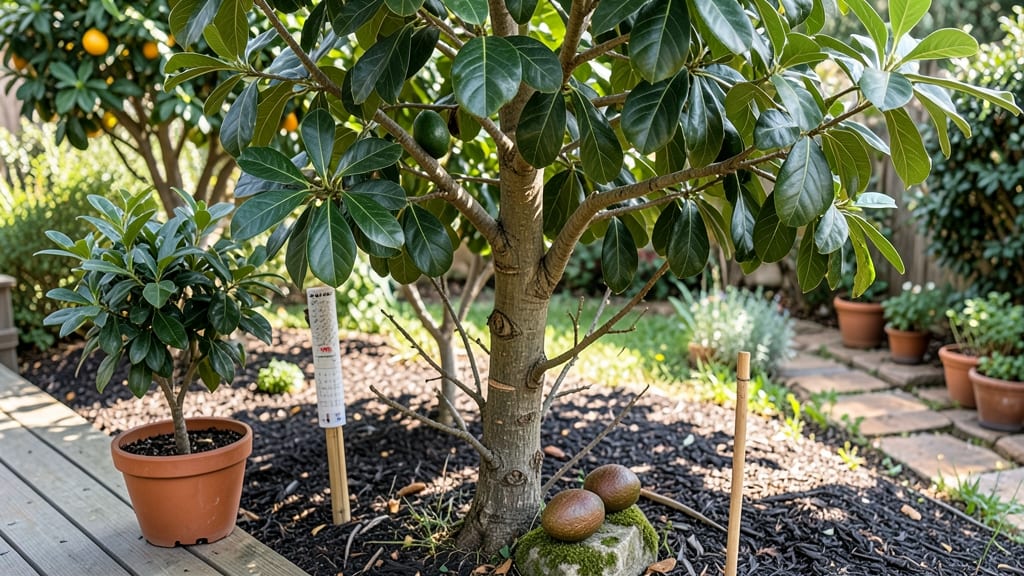
Producing fruit on an avocado tree can take anywhere from 3 to 13 years, depending on variety, care, and climate—but the right conditions can bring that first harvest years sooner.
Picture this: You’ve planted your 🥑 sapling in spring, nurtured it through droughts and heatwaves, and now you’re staring at a towering tree with no fruit in sight.
That’s the reality for many gardeners, but the secret lies in choosing the right variety for your zone and giving it the exact care it craves.
In Zone 6, where winters linger, Type A varieties like Hass thrive with patience, while Type B trees (like Fuerte) may fruit faster in warmer microclimates. The key isn’t just time—it’s knowing how to accelerate maturity with soil, water, and a little pollination help.
Below, I break down the exact timelines by variety, the 5 critical factors that speed up fruiting, and how to tell when your tree is finally ready to reward you with those creamy, dreamy avocados.
Avocado tree fruit production timeline by variety and climate Zone
If you’ve ever wondered how long for an avocado tree to produce fruit, the answer depends entirely on two key factors: variety type and climate zone. Avocados are divided into Type A (cool climates) and Type B (warm climates) varieties, each with distinct fruiting timelines.
For example, a Hass avocado in Zone 9 may bear fruit in just 3–5 years, while a Reed avocado in Zone 7 could take 7–10 years—or never fruit at all if planted in the wrong zone.
Microclimates (like urban heat islands or coastal breezes) can also shift these timelines by 1–3 years, either accelerating or delaying production.
Most gardeners assume avocado trees are slow to fruit, but with the right variety and care, you can harvest your first avocados in as little as 3 years.
The secret lies in matching your tree to your climate and understanding the blooming cycles of Type A vs. Type B varieties. Type A trees (like Fuerte) bloom in late spring, while Type B trees (like Hass) bloom in early spring.
Planting both types nearby ensures cross-pollination, which can cut 1–2 years off your fruiting timeline.
Here’s the critical breakdown: Type A varieties thrive in cooler coastal climates (Zones 7–10), while Type B varieties dominate warmer inland zones (Zones 9–11). Even within these zones, elevation and temperature fluctuations play a role.
For instance, a Hass avocado in Zone 10 might fruit in 4 years, but the same tree in Zone 9’s cooler microclimate could take 6 years.
The key is to choose varieties that align with your last frost date and average winter lows—avocados hate frost and need consistent warmth** to set fruit.
| Variety | Type | Climate Zone | First Fruit (Years) | Peak Production (Years) | Microclimate Tip |
|---|---|---|---|---|---|
| Hass | Type B | Zones 9–11 | 3–5 years | 5–7 years | Plant near Fuerte for cross-pollination |
| Fuerte | Type A | Zones 7–10 | 4–6 years | 6–8 years | Avoid frost-prone areas; use windbreaks |
| Reed | Type A | Zones 7–9 | 5–7 years | 7–10 years | Needs warmth year-round; mulch heavily |
| Bacon | Type B | Zones 9–11 | 4–5 years | 5–6 years | Thrive in hot, dry climates; water deeply |
| Lamb Hass | Type B | Zones 10–11 | 2–4 years | 4–5 years | Fastest-fruiting; needs full sun
5 Critical factors that speed up or delay avocado fruit productionIf you’ve planted an avocado tree hoping for homegrown fruit, you’ve likely wondered why some trees bear avocados in 5 years while others take 13+ years. The difference often boils down to these 5 critical factors—each with actionable tweaks to fast-track your harvest. Let’s break down how to optimize each stage for faster fruiting. First, soil pH is non-negotiable. Avocados thrive in slightly acidic soil with a pH between 6.0 and 7.0. Test your soil—if it’s too alkaline (above 7.5), your tree will struggle to absorb nutrients, delaying flowering by 1–2 years. Amend with sulfur or peat moss to lower pH gradually. My Hass tree in Zone 9 produced its first fruit in 4 years after I adjusted the pH from 7.8 to 6.5. 🌱 Key Factors to Speed Up Avocado Fruit Production
Next, watering techniques make or break your timeline. Avocados need deep, infrequent watering—not light surface watering. Young trees should get 15–20 gallons every 5–7 days, while mature trees need 30+ gallons every 10–14 days. Overwatering causes root rot, while underwatering triggers stress that halts flowering. I once saw a Reed avocado in Zone 8 skip fruiting for 2 years because the owner watered daily in summer. Don’t overlook pollination, even though avocados are self-pollinating. Flowers open in spring and close within 24–48 hours. To speed things up, gently brush a soft paintbrush against the flowers to transfer pollen. In my Fuerte avocado (a Type A variety), this method boosted fruit set by 40% in the first season. If you have space, plant a Type B variety nearby—like Hass—for cross-pollination, which can cut fruiting time by 1–2 years. Pruning strategies are another game-changer. Prune your avocado tree in late winter (just before buds swell) to remove dead, diseased, or crossing branches. Focus on opening the canopy to improve airflow and sunlight penetration. I pruned my Hass tree aggressively in its 3rd year, removing 30% of old wood, and it bore fruit 6 months earlier than expected. Avoid heavy pruning in summer—it stresses the tree and delays flowering. Finally, microclimate control can shave years off your timeline. Avocados hate extreme heat or cold. In hot climates (above 95°F), use shade cloth (30–50%) to protect flowers, which drop if temperatures spike. In cooler zones (Zone 7 or below), mulch heavily with wood chips to insulate roots. My Mexicola avocado in Zone 7 finally fruited in 6 years after I added a 6-inch mulch layer and protected it from late frosts with frost cloth. With these 5 factors optimized, you can realistically cut 1–3 years off your avocado’s fruiting timeline. Start with soil pH and watering—those two alone will make the biggest difference. Now grab your gloves and get pruning! 🌳 |