
How To
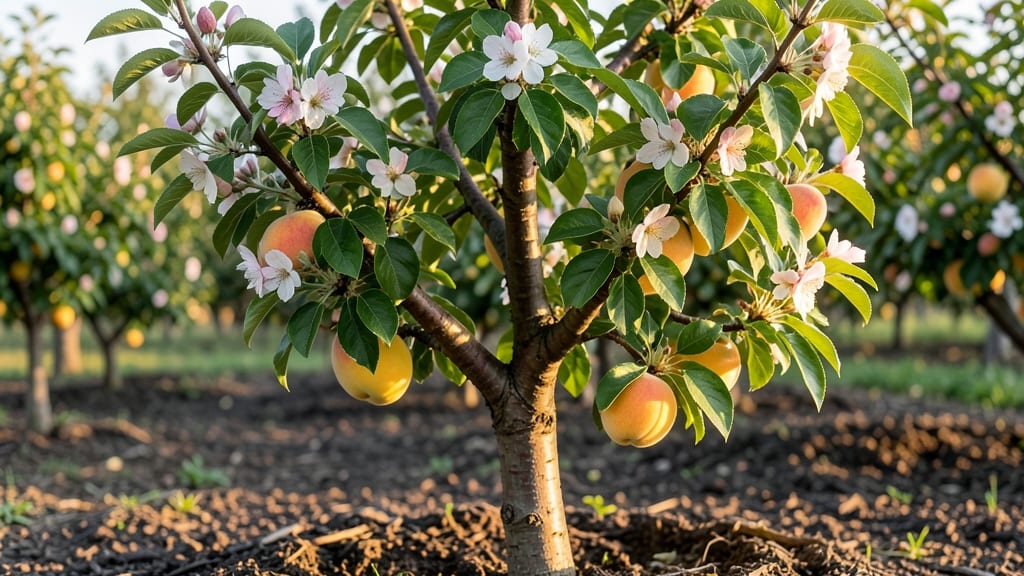
Peach trees bear fruit in 3 to 5 years after planting, but some varieties and care choices can speed that up—or slow it down.
If you’ve ever planted a peach tree dreaming of juicy summer fruit, you’ve probably wondered: When will it finally bear fruit? The answer depends on the variety, care, and your climate—but here’s the exact timeline you need to know before planting.
Dwarf varieties like Reliance can produce fruit in as little as 2 years, while standard trees like Elberta may take 5 years or more. Your USDA zone also plays a role—warmer climates (like California) push fruiting earlier, while colder zones (like Minnesota) may delay it.
Below, I break down the fastest ways to get fruit sooner—from choosing the right variety to pruning and soil tips—so you can enjoy that first harvest without waiting a decade.
Peach tree fruit-bearing timeline by variety: fastest to slowest
Planting a peach tree is exciting, but patience is key—especially when it comes to fruit production. Most peach varieties take 3 to 5 years to bear fruit, but some early-bearing types can surprise you with fruit in just 2 years.
The timeline depends on the variety, whether it’s a dwarf or standard tree, and your climate conditions. Let’s break it down so you know exactly what to expect.
Dwarf peach trees are the fastest fruit producers, often bearing fruit in 2 to 3 years, while standard trees can take 4 to 6 years. This trade-off comes with space savings—dwarf trees mature at 8 to 12 feet tall, making them ideal for small yards.
However, their smaller size means fewer fruits per season compared to full-sized trees. If you’re eager for peaches, choosing the right variety is your best strategy.
Here’s how popular peach varieties compare in terms of time to fruit production, from fastest to slowest:
The Reliance and Bonanza dwarf varieties are the fastest to fruit, often producing peaches in just 2 years. These are perfect if you’re impatient or have limited space.
Standard varieties like Redhaven and Elberta take longer—typically 3 to 5 years—but reward you with larger harvests and more robust trees. If you’re in a warmer climate, like USDA Zone 8 or higher, some varieties may fruit even faster.
Choosing a dwarf variety isn’t just about speed—it’s also about convenience. These trees fit easily in containers or small yards, and their smaller size makes harvesting fruit much simpler. However, they produce fewer peaches per season compared to standard trees.
If you’re willing to wait, a standard peach tree will give you a bountiful harvest for decades, often producing 50 to 100 pounds of fruit annually once mature.
Your climate zone plays a huge role in how quickly your peach tree bears fruit. Trees in warmer zones (8-10) often fruit faster because they experience fewer winter chill hours, which are critical for peach tree dormancy.
In colder zones (4-6), trees may take an extra year or two to establish before fruiting, as they need more time to build root systems and withstand harsh winters. Always check the chill hour requirements of your chosen variety to ensure it’s suited to your area.
Proper care can also accelerate fruiting. Providing well-draining soil, regular deep watering, and a balanced fertilizer (like 10-10-10) in early spring helps your tree grow stronger and produce fruit sooner.
Avoid over-fertilizing with nitrogen, as it promotes leafy growth at the expense of fruit production. Instead, focus on a phosphorus-rich fertilizer in late winter to encourage flowering and fruiting.
If you’re eager to enjoy peaches sooner, consider planting a <
Climate zones and how they accelerate or delay fruit production
Your USDA hardiness zone plays a critical role in determining when your peach tree will bear fruit. Trees in warmer climates like California (Zones 9–10) often fruit 1–2 years faster than those in colder regions like Minnesota (Zones 3–5).
This difference comes down to chill hours—the number of hours below 45°F (7°C) a tree needs to break dormancy and produce fruit.
Peach trees typically require 300–1,000 chill hours, depending on the variety. Low-chill varieties (like Redhaven) thrive in Zones 6–9, while high-chill varieties (such as Elberta) need Zones 4–7. Planting the wrong variety in your zone can delay fruiting by 2–3 years or even prevent it entirely.
| Zone | Chill Hours Needed | Fruit Timeline | Best Varieties |
|---|---|---|---|
| Zones 4–5 (Minnesota) | 800–1,000 | 4–6 years | Elberta, Reliance |
| Zones 6–7 (Midwest) | 500–700 | 3–5 years | Redhaven, Contender |
| Zones 8–9 (California) | 200–400 | 2–4 years | Suncrest, Flordagold |
| Zones 10+ (Florida) | 0–200 | 1–3 years | Tropic Beauty |
In cold climates, peach trees may take longer to mature because they focus energy on surviving winter. For example, in Zone 4, a tree might spend its first 2 years establishing roots before even attempting to flower.
Meanwhile, in Zone 9, a tree could produce its first fruit in just 2 years with proper care.
To speed up fruiting in colder zones, choose dwarf varieties or use row covers to extend the growing season. In warmer zones, avoid varieties that require too many chill hours, as they may fail to fruit or produce poorly.
Always check the chill hour requirements of your chosen variety before planting.
Proper winter protection in cold zones—like wrapping the trunk or using mulch—can also reduce stress and help your tree focus on fruiting sooner. Conversely, in hot climates, shade cloth during peak summer can prevent heat stress and encourage consistent fruit production.
Understanding your climate zone isn’t just about patience—it’s about making smart choices to ensure your peach tree thrives and bears fruit on your timeline. With the right variety and care, you could be enjoying homegrown peaches years sooner than you think! 🍑