
Blooming
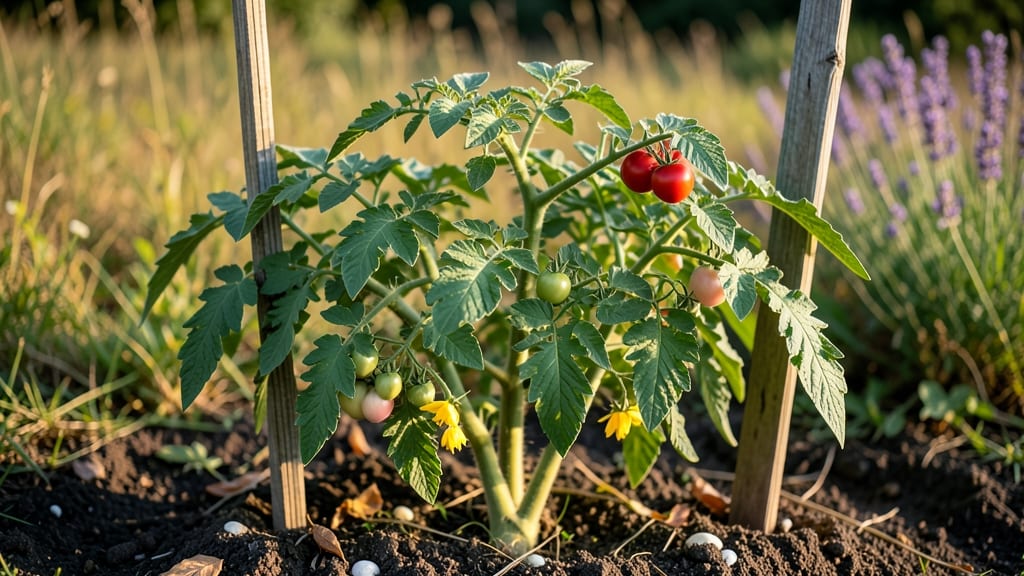
Tomatoes take 60 to 90 days to produce fruit from seed, but that timeline shifts when you start with transplants or adjust care—so knowing what to expect is the key to planning your harvest.
Picture this: you’ve waited all spring, nurtured your 🍅 plants with water and sunshine, and still… nothing but leaves. Frustrating, right? The truth is, even the fastest varieties need patience, and a few simple tweaks can shave weeks off the wait.
Early-season tomatoes like ‘Early Girl’ or ‘Stupice’ can fruit in as little as 55 days, while heirlooms like ‘Brandywine’ might take 90 days or more. Climate, soil health, and even how you pollinate the flowers play a bigger role than most gardeners realize.
In this guide, I’ll break down the exact stages of tomato growth, share proven tips to speed up fruiting, and troubleshoot why your plants might be playing hard to get—so you can finally enjoy that first ripe, sun-warmed tomato of the season.
Tomato fruit production timeline by variety: from seed to harvest
If you're eagerly waiting for those first plump, red tomatoes to appear on your vine, timing is everything. The journey from seed to harvest varies dramatically depending on whether you're growing heirloom varieties, hybrid tomatoes, or cherry tomatoes.
Understanding these timelines helps you plan your garden layout, succession plantings, and even your meal prep schedule. Let’s break down the key stages and what to expect from each variety.
Most tomato varieties take between 60 to 90 days to produce fruit after transplanting, but this can stretch to 120 days or more for some heirlooms. The timeline starts with germination, which typically occurs within 5 to 14 days after sowing seeds, depending on soil temperature and moisture.
Once seedlings emerge, they’ll need 4 to 6 weeks to grow strong enough for transplanting outdoors, assuming warm weather has arrived.
After transplanting, your plants will focus on vegetative growth—sending up sturdy stems and leaves—before shifting energy to flowering and fruiting. This transition usually happens within 2 to 4 weeks after transplanting, but cooler temperatures or nutrient deficiencies can delay it.
Once flowers appear, you’ll see the first tiny tomatoes forming within 30 to 45 days, depending on the variety and growing conditions.
Here’s a quick comparison of how different tomato types stack up in terms of days to maturity and key milestones:
| Variety Type | Days to Germination | Days to Transplant | Days to First Flower | Days to First Fruit | Total Days to Harvest |
|---|---|---|---|---|---|
| Early Hybrid (e.g., 'Early Girl') | 5-7 days | 4-6 weeks | 30-40 days | 45-55 days | 55-70 days |
| Mid-Season Hybrid (e.g., 'Better Boy') | 6-10 days | 4-6 weeks | 40-50 days | 60-70 days | 70-85 days |
| Heirloom (e.g., 'Brandywine') | 7-14 days | 5-7 weeks | 50-60 days | 70-80 days | 85-120 days |
| Cherry Tomato (e.g., 'Sweet 100') | 5-7 days | 4-5 weeks | 25-35 days | 40-50 days | 50-65 days |
For early hybrid varieties like 'Early Girl', you can expect the first ripe tomatoes as soon as 55 days after transplanting, making them ideal for short growing seasons. These varieties are bred for fast fruit production and often outperform heirlooms in cooler climates.
If you’re in Zone 5 or 6, planting early hybrids in late May can still yield a harvest before frost.
On the other hand, heirloom tomatoes like 'Brandywine' or 'Cherokee Purple' take their time, often requiring 85 to 120 days to mature. Their slower growth is part of their charm, delivering richer flavors and larger fruits, but they demand warmer temperatures and longer growing seasons.
If you’re in a shorter-season zone, consider starting heirloom seeds indoors 8 to 10 weeks
How to speed up tomato fruit production: proven tips for faster harvests
If you're eager to enjoy homegrown tomatoes, you're not alone! The good news is that with the right techniques, you can accelerate tomato fruit production by up to 30%.
The key lies in optimizing growing conditions, selecting fast-maturing varieties, and implementing smart care practices. Let's dive into actionable strategies that will help your plants fruit faster and more abundantly.
First, focus on planting at the optimal time. Tomatoes thrive in warm soil, so wait until after the last frost when soil temperatures reach 60°F or higher.
Starting seeds indoors 6-8 weeks before transplanting gives them a head start. For container growers, choose determinate varieties like 'Tiny Tim' or 'Patio Princess'—they mature faster than indeterminate types.
- 🌡️ 1. Plant Early Varieties - Choose early-maturing types like 'Early Girl' (55 days) or 'Stupice' (60 days) for fastest results.
- 🌱 2. Warm Soil Boost - Use black plastic mulch to raise soil temps by 5-10°F, speeding germination and growth.
- ✂️ 3. Prune Strategically - Remove suckers and lower leaves to direct energy to fruit production, not foliage.
- 🌬️ 4. Hand-Pollinate Flowers - Gently shake plants or use a paintbrush to transfer pollen on cloudy days when bees are inactive.
- 💧 5. Fertilize Smartly - Use a balanced 5-10-10 fertilizer at planting, then switch to high-phosphorus (10-20-10) when flowers appear.
Don't underestimate the power of companion planting—it can significantly boost your harvest. Pair tomatoes with basil, marigolds, or onions to deter pests and improve growth. Avoid planting near fennel or brassicas, which can stunt tomato development.
Additionally, wind exposure helps with natural pollination, so place your plants in an open area if possible.
For container growers, container size matters. Use pots that are at least 18 inches deep and 12 inches wide to accommodate root growth. Smaller containers restrict growth and delay fruiting. Mix compost into your potting soil for better nutrient uptake, and consider using mycorrhizal fungi to enhance root development.
Finally, monitor your plants for stress signs like yellowing leaves or blossom end rot. Address issues immediately—calcium deficiencies or overwatering can halt fruit production. With these strategies, you'll see faster flowering and earlier fruit set, giving you a head start on the harvest season.
Ready to put these tips into action? Start with one or two changes this season—like planting early varieties and hand-pollinating flowers—and watch your tomato plants fruit faster than ever! 🌿