
Landscaping
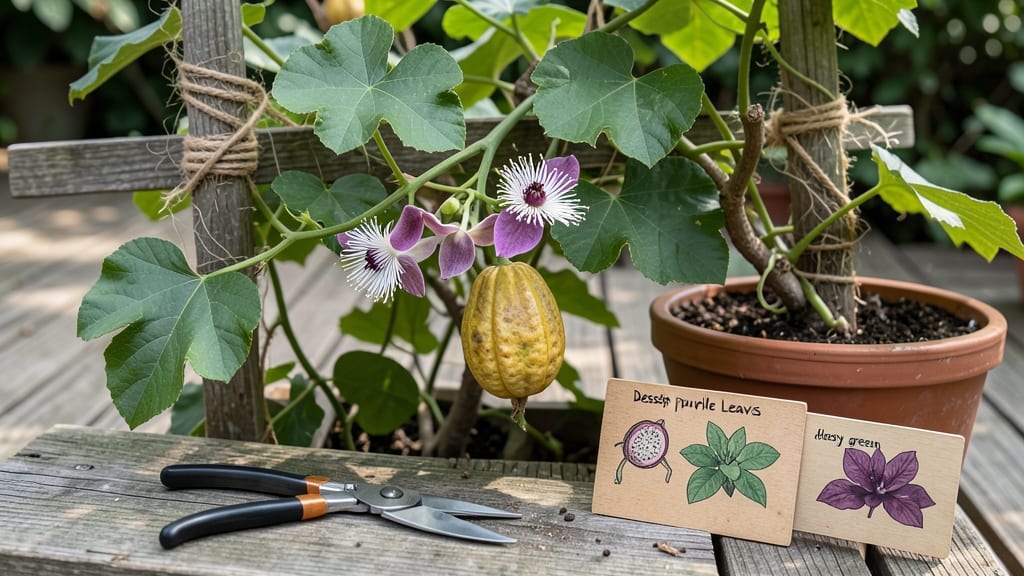
Choosing the right passionfruit plant means picking between purple gem varieties and tropical giants that climb 20 feet high. ✨ I’ve grown both Passiflora edulis (the classic purple passionfruit) and Passiflora ligularis (the giant granadilla), and the difference in fruit size and flavor is night-and-day.
The right choice depends on your climate, space, and whether you want sweet-tart fruit or something closer to a custardy dessert.
Start by matching your zone to the plant’s needs—purple passionfruit thrives in USDA zones 8-11, while giant granadilla loves zones 10-12.
Decide if you want a compact vine (like Passiflora edulis) or a sprawling climber (like Passiflora alata), and check if you’re buying from seed, cuttings, or grafted plants. Organic sources often mean healthier roots and fewer pests, but conventional nurseries offer more variety.
Once you’ve got your plant, you’ll know it’s ready to fruit when those intricate, velvety blooms appear in spring. The fruit itself ripens from green to deep purple or yellow, depending on the variety, and gives just slightly when gently squeezed.
A single vine can produce 50+ fruits per season if given enough sun and support.
For best results, plant in well-draining soil, stake those vines early, and prune aggressively in winter. Whether you’re growing for the exotic flowers or the addictive fruit, patience pays off—your first harvest will be worth every climb up that trellis. Here’s how to pick the perfect plant for your garden.
📚 In This Guide
- What you need
- Instructions
- Tips and common mistakes
- Wrapping up and next steps
What you need
- ● Passionfruit (1–5, depending on your harvest) – Fresh, whole fruit (avoid pre-cut or bruised ones).
- ○ Gloves (optional but recommended) – Thin gardening gloves to protect your hands from thorns or sticky residue.
- ○ Small knife or pruning shears (optional) – For harvesting (if picking from the vine) or cutting open the fruit.
- ● Paper towel or cloth – To wipe hands or fruit gently after handling.
- ○ Measuring tape or ruler (optional) – For checking fruit size (ideal: 3–5 inches in diameter).
- ○ Flashlight or bright light source (optional) – Helps spot subtle color changes in dim lighting.
- ● Basic knowledge of passionfruit varieties – Purple (e.g., Maracujá) and yellow (e.g., Golden Passionfruit) ripen differently.
- ● Access to a vine or store – If harvesting, ensure vines are healthy (no pests/disease). If shopping, visit a well-stocked market.
- ● Patience (1–2 minutes per fruit) – Ripeness checks require gentle observation, not rushing!
How to choose passionfruit: 5 visual & tactile cues for peak ripeness
Picking the perfect passionfruit is all about reading its signals—here’s how to spot the ripest, juiciest ones every time.
🌿 Step 1: Examine the Fruit’s Color for Mature Stages
The outer skin of passionfruit changes dramatically as it ripens. Start by looking for a deep purple or maroon hue—this indicates the fruit is fully mature, not just green or pale yellow. The color should be uniform across the entire surface, not patchy. Some varieties, like the purple passionfruit, develop a slightly waxy texture when ripe, which helps protect the delicate skin.
If the fruit still shows green patches, it’s not ready—passionfruit won’t sweeten until the chlorophyll breaks down completely. A fully ripe passionfruit will also feel slightly heavier than an unripe one when held in your hand. This extra weight signals that the pulp inside has fully developed and is packed with juice.
🌱 Step 2: Check for Softness and Give It a Gentle Squeeze
Ripeness in passionfruit isn’t just about color—texture is key. A perfectly ripe passionfruit should yield slightly when pressed gently with your fingertips. Think of it like a ripe avocado: it should give just enough to indicate softness, but not so much that the skin feels mushy or bruised. If the fruit feels rock-hard, it’s underripe and needs more time on the vine.
Here’s the thing—overripe passionfruit will feel spongy or hollow when squeezed, and the skin may wrinkle. That’s your cue to eat it immediately or risk the pulp turning mealy. I like to press near the stem end, where the fruit is often slightly softer due to natural ripening processes.
☀️ Step 3: Look for the Stem’s Condition
The stem of a passionfruit is a tell-tale sign of ripeness. When ripe, it should pull away easily from the fruit when given a gentle tug. If the stem resists or snaps off cleanly, the fruit is still firm and unripe. A ripe passionfruit’s stem will often dry out and shrivel, which is a good sign the sugars inside have fully developed.
If the stem is still green and pliable, the fruit needs more time. Conversely, if the stem is completely brown and crumbly, the fruit might be overripe. This is where tactile cues come into play—feel the stem’s attachment point to gauge ripeness before committing to a purchase.
💧 Step 4: Listen for the Hollow Sound
This is one of my favorite tricks—tap the passionfruit lightly with your knuckles. A ripe passionfruit will produce a deep, hollow sound, almost like a drum, because the pulp inside has fully separated from the skin. An unripe fruit sounds dull or solid, while an overripe one may feel mushy and produce no sound at all.
I’ve used this method for years, and it never fails. The hollow sound confirms that the seeds are fully developed and the arils (the edible pulp) are juicy and flavorful. It’s a quick, foolproof way to test ripeness without cutting into the fruit.
✂️ Step 5: Inspect the Skin for Wrinkles or Cracks
While wrinkles can sometimes indicate overripeness, slight wrinkling around the stem end is actually a good sign—the fruit is breaking down naturally, releasing its sugars. However, if the skin is deeply wrinkled or cracked, the fruit may be past its prime. A ripe passionfruit should have smooth skin with minimal imperfections, except for the natural texture that comes with maturity.
If you see dry, papery skin, that’s another red flag—it means the fruit has lost moisture and is likely past its peak. The ideal passionfruit will have a slightly shiny or velvety skin, especially in humid climates. This sheen is a natural byproduct of the fruit’s ripening process and signals freshness.
Tips & tricks for perfect passionfruit selection
Mastering passionfruit selection takes practice, but these insights will help you consistently pick the ripest, most flavorful fruits every time.
Color Consistency: The deep purple or maroon hue in Step 1 should be uniform without any green patches. I've noticed that some tropical varieties develop a slight sheen when fully ripe—this natural waxiness actually protects the fruit's delicate skin. If you're shopping in a humid climate, look for that subtle shine as an extra confirmation of freshness.
Weight as an Indicator: The slight heaviness mentioned in Step 1 is your best tactile clue. When comparing two passionfruits of similar size, the riper one will feel noticeably heavier due to the fully developed pulp inside. This weight difference becomes especially apparent when holding them side by side—your hand will instinctively recognize the difference in density.
Stem Sensitivity: In Step 3, the stem's condition reveals more than just ripeness—it shows the fruit's maturity cycle. I've found that stems which pull away with just a gentle tug often indicate fruits that are at their sweetest. The slight resistance you might feel when tugging is actually a good sign—the fruit is firm but not underripe. Save the completely brown and crumbly stems for immediate consumption, as these fruits are at their peak flavor window.
Seasonal Variations: Passionfruit ripen at different rates depending on the season. In summer months, they'll often ripen faster and may need to be used within 1-2 days of purchase, while winter varieties tend to hold their ripeness longer. This seasonal variation explains why some fruits feel slightly softer than others—it's not always a sign of overripeness, but rather a natural adaptation to temperature changes.
Pro Tips for Choose Passionfruit
- Mastering passionfruit selection takes practice, but these insights will help you consistently pick the ripest, most flavorful fruits every time.
- Color Consistency: The deep purple or maroon hue in Step 1 should be uniform without any green patches.
- Weight as an Indicator: The slight heaviness mentioned in Step 1 is your best tactile clue.
Frequently asked questions
When is the best time to pick passionfruit?
The ideal time to harvest passionfruit is when the fruit is fully ripe but still firm to the touch. For most varieties, this is when the skin turns a deep purple or yellow (depending on the type) and gives slightly under gentle pressure. Avoid picking when the fruit is still hard or overly soft—this indicates underripeness or overripeness. Morning harvests often yield the best flavor since temperatures are cooler.
What if my passionfruit vine isn’t producing fruit?
Passionfruit vines need patience, warmth, and proper care to fruit. If your vine isn’t producing, check for these common issues:
- Age: Young vines (under 1 year) may not fruit. Give them time!
- Sunlight: Ensure they get full sun (6+ hours daily).
- Soil: Well-draining, slightly acidic soil (pH 6.0–7.5) is key.
- Water: Keep soil consistently moist but avoid waterlogging.
- Pollination: Some varieties need hand-pollination with a small brush.
Can I substitute passionfruit for other fruits in recipes?
Passionfruit’s tangy-sweet flavor works well in smoothies, desserts, or savory dishes. For a similar texture, try:
- Lychee or mango (for sweetness and creaminess).
- Tamarind or lime (for tartness in marinades or dressings).
- Kiwi (for a mild, acidic kick in fruit salads).
How do I store passionfruit to extend its shelf life?
Store unripe passionfruit at room temperature until ripe, then refrigerate in a paper bag for 2–3 days to slow ripening. For longer storage (up to 2 weeks), freeze ripe fruit by scooping out the pulp and freezing it in ice cube trays. Avoid washing before storage—moisture speeds spoilage. Once cut open, consume within 24 hours or refrigerate the pulp in an airtight container.
Why are my passionfruit turning mushy or developing black spots?
Mushy fruit or black spots usually signal rot or pest damage. Common causes include:
- Overwatering: Roots suffocating or fungal growth (e.g., anthracnose).
- Pests: Fruit flies or mites burrowing into the fruit.
- Physical damage: Bruising from rough handling.
Wrapping up and next steps
Choosing the perfect passionfruit is all about trusting your senses—look for a deep purple or golden hue, give it a gentle squeeze for yielding firmness, and sniff for that sweet, tropical aroma.
With these simple cues, you’ll always pick fruit that’s bursting with flavor and ready to elevate your dishes or drinks! 🌿✨
Now that you’re a passionfruit pro, why not plant your own vine? Start with a healthy fruit, save the seeds, and grow your own supply for a year-round harvest. Happy picking! 🍈🌱