
Pests
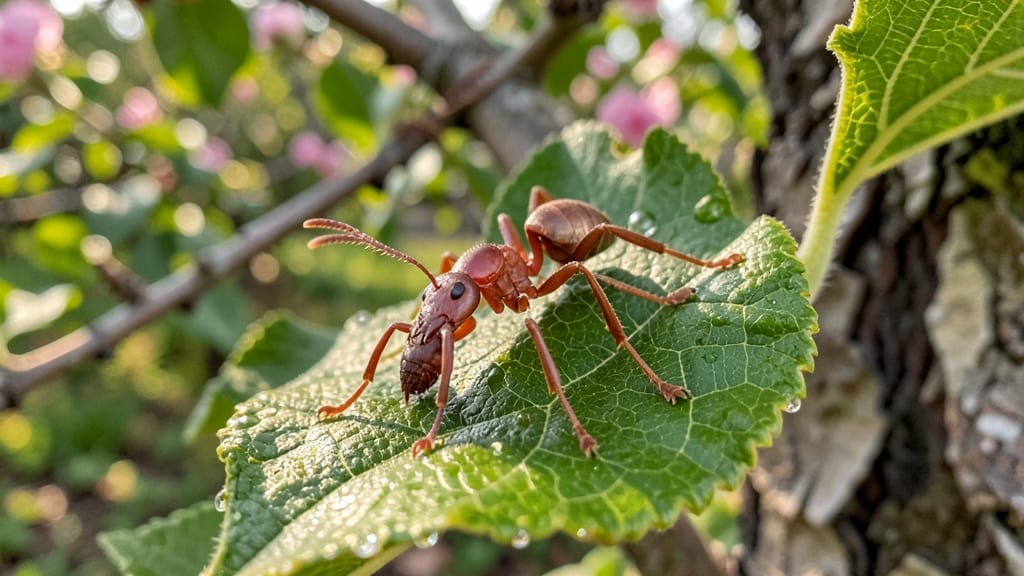
Ants marching up your fruit tree aren’t just annoying—they’re recruiting pests that will ruin your harvest. 🌿 I’ve battled these tiny invaders in my orchard for years, and I’ve learned which natural methods actually work without harming bees or beneficial insects.
The key is cutting off their food source (aphids and sap) while disrupting their trails. Diatomaceous earth around the trunk creates a deadly barrier, while a vinegar-water spray (1:1 ratio) kills them on contact. These methods work within 3-5 days if applied consistently.
You’ll see fewer ants within a week, and your tree’s natural defenses will rebound stronger. The best part? No harsh chemicals mean healthier soil and fruit for next season. For long-term protection, prune to improve airflow and use reflective mulch to deter them naturally. Let’s reclaim your fruit trees!
📚 In This Guide
- What you need
- Instructions
- Tips and common mistakes
- Wrapping up and next steps
What you need
- ● Spray bottle (16 oz or larger) – For DIY ant repellents like vinegar or soapy water.
- ● Garden hose with nozzle – To blast ants off trees and disrupt trails.
- ● Diatomaceous earth (food-grade, 1–2 lbs) – Sprinkle lightly around the tree base to dehydrate ants.
- ● Baking soda (1 cup) – Mix with powdered sugar (1 cup) to create a lethal bait (use sparingly!).
- ● White vinegar (1–2 gallons) – Dilute with water (1:1 ratio) for a natural spray.
- ● Dish soap (unscented, 1 tbsp) – Add to vinegar spray to break down ant scent trails.
- ● Orange or lemon peels (3–5) – Scatter around the tree base for a citrusy deterrent.
- ● Plastic cups or shallow containers (2–3) – For homemade ant traps (e.g., sugar + borax or vinegar).
- ● Gloves (nitrile or rubber) – Protect your hands from sticky residues or irritants.
- ● Garden trowel or small shovel – For digging bait stations or applying diatomaceous earth deeper into soil.
- ● Pruning shears – To trim heavily infested branches (sterilize blades first!).
- ● Spray attachment for hose – For a more targeted blast of water or repellent.
- ● Pet-safe markers – To label treated areas if you have curious pets or kids.
Step-by-Step instructions for removing ants from fruit trees
Here's how I tackle ant infestations in fruit trees—naturally and without harming your harvest.
🪴 Step 1: Identify and Locate the Ant Trail
Ants don't wander randomly—they follow scent trails. Grab a flashlight and inspect the tree trunk, branches, and soil around the base. Look for tiny black or brown lines on the bark or ground. These trails often start near the soil and climb upward. I check the underside of branches too, where moisture collects and ants love to nest.
Watch for ant activity peaks—early morning or late afternoon when they're most active. If you see them carrying tiny white eggs or larvae, that's your nest location. Mark it with a small flag or stick so you can target treatments directly. Don't disturb the trail yet—wait until you've gathered your supplies.
💧 Step 2: Apply Natural Ant Repellents to the Tree
Mix 1 tablespoon of dish soap with 1 quart of water in a spray bottle. This breaks down their scent trails and disrupts communication. Spray the solution directly on the ant trails, focusing on the base of the tree and any visible nests. Reapply every 3-4 days until you see fewer ants.
For stubborn infestations, I add 1 teaspoon of cinnamon oil to the mix—ants hate the smell. Spray the undersides of branches too, where they often hide. Avoid spraying fruit directly, as the soap can leave residue. You'll know it's working when ant traffic slows within 24 hours.
✂️ Step 3: Disrupt the Colony with Diatomaceous Earth
Sprinkle food-grade diatomaceous earth around the base of the tree, creating a 2-inch wide barrier around the trunk. This natural powder dehydrates ants by damaging their exoskeletons. Water it lightly after application so it sticks to the soil. Reapply after rain or watering, as it loses effectiveness when wet.
Focus on the root flare area where the trunk meets the soil—this is where colonies often establish. I also dust the powder on the underside of large branches where ants build nests. Wear a mask when applying to avoid inhaling the fine powder. You'll see results within 3-5 days as ants avoid treated areas.
☀️ Step 4: Prevent Future Infestations with Barrier Methods
Wrap the trunk with sticky tree wrap or aluminum foil to block ants from climbing. Secure it tightly around the trunk and extend it 2 feet above ground level. Check weekly for gaps where ants might sneak through. This physical barrier works best when combined with the repellents from earlier steps.
Keep the area around the tree clean—remove fallen fruit, leaves, and debris where ants nest. I also plant mint or lemon balm near the tree's drip line, as their strong scents naturally repel ants. Monitor the tree weekly for new trails, especially after rain when ant activity spikes.
⏰ Step 5: Monitor and Maintain Ant-Free Trees
Inspect your fruit trees every 7-10 days for new ant activity. Look for fresh trails or clusters of ants on branches. If you spot them early, a quick spray of the soap solution usually sends them packing. I keep a small spray bottle handy for touch-ups between treatments.
Pay special attention after harvesting—ants are drawn to fallen fruit. Pick up all dropped fruit immediately and dispose of it in sealed bags. If ants persist, repeat the diatomaceous earth treatment and check for hidden nests in the soil. With consistent effort, your trees should stay ant-free for the season.
Tips & tricks for natural ant removal in fruit trees
These practical strategies will help you eliminate ants faster and keep them from coming back.
Timing is Everything: The 24-hour window after applying your soap solution is critical—this is when you'll see the most dramatic reduction in ant activity. If you notice ants still moving around after this time, don't panic. Simply reapply the solution and focus on the areas where you saw the most activity. I've found that consistent reapplication every 3-4 days creates a cumulative effect that breaks their communication trails completely.
Target the Root Flare: In Step 3, when applying diatomaceous earth, pay special attention to the root flare area where the trunk meets the soil. This is where ant colonies often establish their primary nests. I've seen cases where ants were still active on the branches but completely eliminated at the root flare after targeted treatment. Create that 2-inch barrier right at this junction for maximum impact.
Combine Methods for Faster Results: The most effective approach is using both the soap solution and diatomaceous earth together. The soap disrupts their communication while the diatomaceous earth physically eliminates them. I've had stubborn infestations clear up in just 5-7 days when using both methods simultaneously, rather than the 10-14 days it might take with just one approach.
Monitor After Rain: After heavy rains, check your trees immediately. Rain can wash away the diatomaceous earth and dilute the soap solution. I keep a small spray bottle of the soap mix handy to do quick touch-ups after storms. This is especially important in the first 3-5 days after initial treatment when ants are most vulnerable to these methods.
Pro Tips for Get Rid Of Ants In Fruit Trees
- These practical strategies will help you eliminate ants faster and keep them from coming back.
- Timing is Everything: The 24-hour window after applying your soap solution is critical—this is when you'll see the most dramatic reduction in ant activity.
- Target the Root Flare: In Step 3, when applying diatomaceous earth, pay special attention to the root flare area where the trunk meets the soil.
Frequently asked questions
Got questions about tackling ants in your fruit trees? You’re not alone—here are some of the most common concerns and straightforward answers to help you reclaim your orchard!
Why do ants hang out in fruit trees in the first place?
Ants love fruit trees because they’re attracted to sap (especially from aphids) and sweet fruit juices. They also farm aphids, protecting them from predators in exchange for honeydew. If you spot ants, aphids might be lurking nearby—check the undersides of leaves!
How long does it take to see results after treating my fruit trees?
Natural methods like diatomaceous earth or soapy water sprays can show improvement in 24–48 hours, but full eradication may take 1–2 weeks depending on the infestation size. For severe cases, repeat treatments every 5–7 days for best results.
Are there any pet-safe or kid-friendly ant repellents for fruit trees?
Yes! Opt for vinegar sprays (1:1 water ratio), neem oil, or borax-free ant baits (like citrus peels + cinnamon). Avoid chemical pesticides—stick to food-grade solutions and keep pets/kids away until sprays dry.
Will getting rid of ants harm my fruit tree’s health?
Not at all! Ants don’t directly damage trees, but they protect aphids, which can weaken branches over time. Removing ants improves tree health by reducing sap-sucking pests. Just use targeted methods (like bait stations) to avoid harming beneficial insects like bees.
What should I do if ants keep coming back after treatment?
Persistent ants mean there’s likely a hidden nest or nearby food source (like fallen fruit). Re-inspect the tree base, mulch, and surrounding areas. Try barrier methods (e.g., crushed eggshells or chalk lines) and reapply baits every 2 weeks until they’re gone.
Wrapping up and next steps
Kicking ants out of your fruit trees doesn’t have to be a losing battle—with the right natural methods, you can reclaim your harvest and keep those tiny invaders at bay! 🌿 Start by consistently applying your chosen solutions (like diatomaceous earth or vinegar sprays) and monitoring for signs of success.
Remember, patience and persistence pay off, and soon your trees will be ant-free zones.
Now that you’re armed with knowledge, take action today! Pick one method from this guide, gather your supplies, and give your fruit trees the protection they deserve. Your future harvests will thank you—one pest-free bite at a time! 🍎✨