
Size
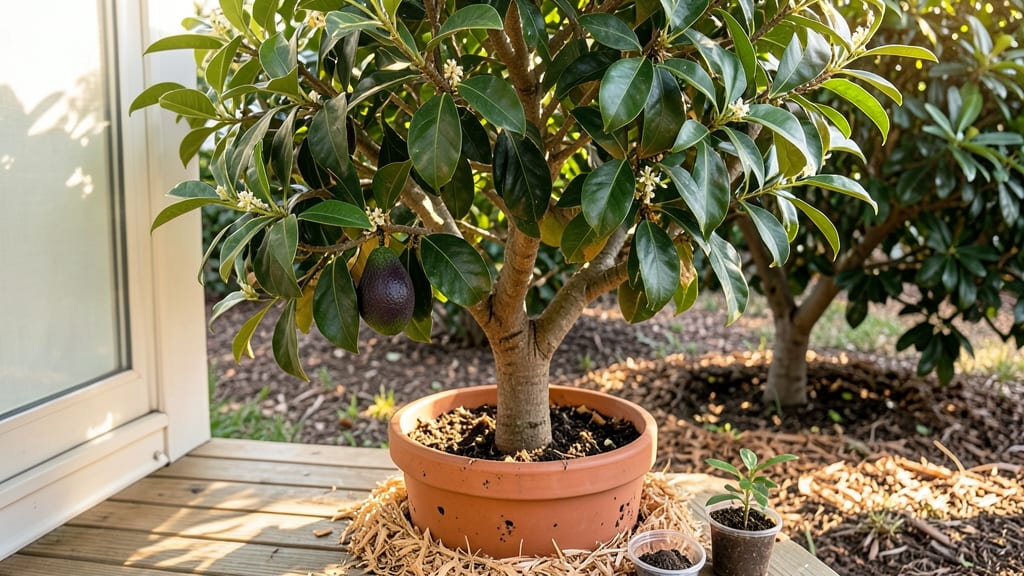
Growing an avocado tree that actually bears fruit starts with this one simple trick: patience with purpose. 🌱 I've watched kitchen scraps turn into towering trees, but only the ones I treated like a long-term project produced fruit—some within 5-7 years, others needing a decade.
The secret isn't magic; it's understanding the plant's life cycle from seed to harvest. Most people quit when their seedling hits the 3-foot mark—that's when the real work begins. You'll need bright light (or a grow light), well-draining soil, and a consistent watering schedule that mimics tropical rains.
The first few years focus on strong roots and branches; fruit comes later, but the foundation determines everything. I learned this after my first tree flowered but produced no fruit—turns out, it needed better pollination and pruning.
By year 5, you'll see those yellow-green flower clusters appear, and with proper care, they'll turn into fruit within 12-18 months. The texture of the skin, the weight in your hand—it's a reward that makes every watering and pruning session worth it.
And yes, you can grow them indoors if you live in a cool climate, though outdoor trees in zones 9-11 bear the most reliably. Here's the game-changer: pollination. Avocado trees have both male and female flowers, but they're often not on the same tree.
If you have only one, hand-pollinate with a small brush or grow two trees. The payoff? A tree that produces 50-100 pounds of fruit per season once mature—enough to share with neighbors or make guacamole for a year.
📚 In This Guide
- What you need
- Instructions
- Tips and common mistakes
- Wrapping up and next steps
What you need
- ● Avocado pit: 1 fresh, undamaged pit from a ripe avocado (organic or non-GMO preferred).
- ● Toothpicks or small skewers: 3–4 (for pit propagation).
- ● Glass or jar: 1 (16–20 oz, for water).
- ● Water: Filtered or distilled (avoid tap water with chlorine).
- ● Potting soil: 1 bag (well-draining, organic mix like cactus/succulent blend).
- ● Small pot: 1 (4–6 inches in diameter, with drainage holes).
- ● Spray bottle: 1 (for misting).
- ● Fertilizer: Balanced organic (e.g., 10-10-10 or compost tea).
- ● Pruning shears: 1 (sterilized, for trimming).
- ● Garden gloves: 1 pair (to protect your hands).
- ● Grow light: LED or fluorescent (for indoor seedlings).
- ● Humidity dome: 1 (to retain moisture).
- ● pH test kit: Soil (ideal range: 6.0–7.0).
- ● Mulch: Organic (e.g., straw or wood chips).
- ● Tree support stake: 1 (for outdoor planting).
- ● Pest control: Neem oil or insecticidal soap (if pests appear).
Step-by-Step instructions for growing an avocado tree from a pit
Here's the foolproof method I've used to grow avocado trees that actually bear fruit—not just decorative houseplants.
🌱 Step 1: Germinate the Pit in Water
Start by washing the avocado pit to remove any remaining fruit residue, then insert 3-4 toothpicks around the middle, spacing them evenly. Place the pit in a glass or jar with 2-3 inches of water, ensuring the toothpicks suspend it so only the bottom half touches the water. Keep it in a warm spot with indirect light—direct sun will scorch the emerging roots.
Change the water every 2-3 days to prevent mold and keep it fresh. You'll see roots appear in 2-6 weeks, depending on the variety. The pit may float or sink—neither matters as long as the water level stays consistent. Once roots reach 2-3 inches long, it's ready for soil.
🪴 Step 2: Plant in Well-Draining Soil
Fill a 6-inch pot with a mix of 50% potting soil and 50% perlite or coarse sand to ensure drainage. Dig a hole just deep enough to bury the pit halfway, leaving the top exposed. Gently press the soil around the pit to secure it without compacting it too tightly.
Place the pot in a warm, sunny spot with bright indirect light for the first week. Avoid direct sun until new growth appears—you'll know it's thriving when a single sprout emerges from the top after about 4-8 weeks. Water when the top inch of soil feels dry, but never let it sit in soggy conditions.
☀️ Step 3: Transition to Sunlight Gradually
Once the sprout reaches 4-6 inches tall, it's time to introduce sunlight. Move the pot to a location with morning sun and afternoon shade for a week, then gradually increase exposure to full sun for 4-6 hours daily. You'll notice the leaves darken and thicken as they adapt—this is a good sign.
Fertilize lightly with a balanced liquid fertilizer (10-10-10) diluted to half-strength every 4-6 weeks during the growing season. Over-fertilizing now will burn the delicate roots. Prune any yellow or damaged leaves immediately to encourage stronger growth.
✂️ Step 4: Prune and Encourage Fruit Production
When the tree reaches 3-4 feet tall, prune back the top 1/3 of the growth to encourage branching. This is critical—avocado trees need a strong, multi-branched structure to support fruit. Pinch off any flower buds that appear in the first year; the tree needs to focus on growing leaves, not fruit.
By year two, you can allow flowers to form. Avocado trees are self-pollinating but benefit from a small paintbrush to transfer pollen between flowers. Once fruit appears, thin them to 1-2 per cluster to ensure they grow large and healthy. Keep the soil consistently moist but never waterlogged—avocados hate soggy roots.
Tips & tricks for growing an avocado tree that actually bears fruit
These are the secrets I wish I knew when I first tried growing my own avocado tree—trust me, they make all the difference between a decorative houseplant and a real fruit producer.
Root Development Watch: In Step 1, when you're waiting for those 2-3 inches of roots to appear, don't rush the process. The roots need time to establish—this is when the tree's foundation is built. I've seen people give up after just 1-2 weeks, but patience here pays off. You'll know they're ready when you see healthy, white roots growing consistently for several days in a row.
Soil Mix Matters: The 50-50 mix of potting soil and perlite/sand in Step 2 is non-negotiable for drainage. I've tried using regular garden soil, and it led to root rot within weeks. If you don't have perlite, coarse sand works just as well—just make sure the mix drains freely. The pit should never sit in soggy conditions, even after planting.
Sunlight Transition Strategy: When moving your tree to sunlight in Step 3, think of it like sunbathing—you wouldn't jump from shade to full sun either. Start with just 1-2 hours of morning sun for the first few days, then gradually increase. I've seen leaves burn when people move too quickly, and that sets back growth by weeks. Those 4-6 hours of full sun are crucial for fruit production later on.
Pruning Precision: In Step 4, when pruning that top third of growth, aim for clean cuts just above a leaf node. This encourages branching where you want it. I learned this the hard way—my first attempt left ragged cuts that healed poorly. Also, don't be afraid to be aggressive with pruning yellow leaves—they're just stealing energy from your tree's growth.
Pro Tips for Grow An Avocado Tree That Bears Fruit
- These are the secrets I wish I knew when I first tried growing my own avocado tree—trust me, they make all the difference between a decorative houseplant and a real fruit producer.
- Root Development Watch: In Step 1, when you're waiting for those 2-3 inches of roots to appear, don't rush the process.
- Soil Mix Matters: The 50-50 mix of potting soil and perlite/sand in Step 2 is non-negotiable for drainage.
Frequently asked questions
Got questions about growing your own avocado tree? You’re not alone!
Here are the most common concerns—plus clear, actionable answers to help you avoid pitfalls and maximize your chances of a fruitful harvest.
How long does it take for an avocado tree to bear fruit?
Patience is key! With proper care, container-grown trees (like Hass varieties) can produce fruit in 3–5 years, while grafted trees may fruit even sooner (1–2 years). Outdoor trees in warm climates (Zones 9–11) often bear fruit faster than indoor plants. Pro tip: Keep your tree happy with consistent sunlight, water, and fertilizer to speed up the process!
Can I grow an avocado tree from a grocery store pit?
About 50% of store-bought pits will sprout, but only a small fraction will grow into fruitful trees. Choose organic, blemish-free pits (like Hass) and follow the water-propagation method. Warning: These trees may take 10+ years to fruit and often produce small, inedible avocados. For faster, reliable results, consider buying a grafted tree.
What if I live in a cold climate—can I still grow an avocado tree?
Yes, but with adjustments! Avocados thrive in USDA Zones 9–11, but you can grow them indoors or in containers year-round. Move potted trees indoors when temps drop below 50°F (10°C), near a sunny window or under grow lights. Bonus: Some growers overwinter trees in garages or basements with supplemental light. Cold-hardy varieties like ‘Mexicola’ or ‘Lamb Hass’ tolerate brief chills better.
Why isn’t my avocado tree flowering or fruiting?
Common culprits include:
- Insufficient sunlight: Avocados need 6+ hours of direct sun daily (indoor plants may need grow lights).
- Nutrient deficiencies: Lack of nitrogen, phosphorus, or potassium can stall growth. Use a balanced citrus fertilizer (like 6-6-6) every 2–3 months.
- Stress: Overwatering, underwatering, or sudden temperature drops can shock the tree. Keep soil moist but well-draining.
- Age/maturity: Trees under 3–4 years old may not have the energy to flower. Be patient!
Do avocado trees need a pollinator to produce fruit?
Most avocado varieties are self-pollinating, meaning they don’t need bees or other pollinators to set fruit. However, cross-pollination (planting two compatible varieties nearby) can increase yield and fruit quality. Popular pairings: Hass + Fuerte or Reed. If your tree isn’t fruiting, check for poor pollination—shake branches gently during bloom to help!
Wrapping up and next steps
Growing an avocado tree from a pit to a fruiting plant is a rewarding journey that blends patience, care, and a little science! 🌱 With the right soil, sunlight, and pruning techniques, you’ll soon enjoy the thrill of harvesting your own creamy, nutrient-packed avocados.
Start small—plant that pit today—and watch your green thumb transform it into a thriving tree.
Ready to take the next step? Share your progress with fellow gardeners or dive into advanced care tips to keep your tree healthy and productive. Every pit planted is a potential harvest waiting to happen—so get growing! 🍈✨