
Propagation
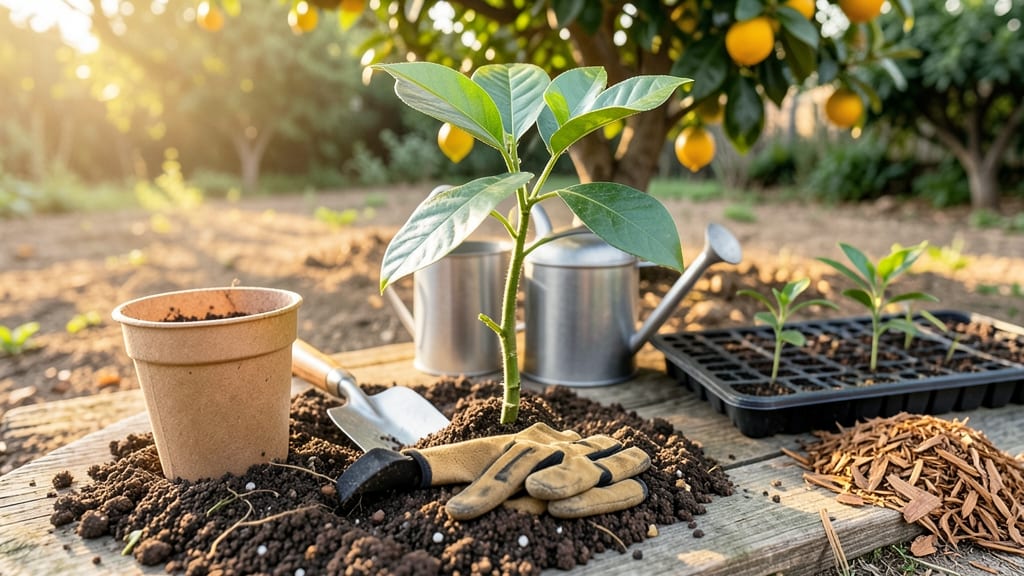
Planting a grapefruit tree from seed is a three-year gamble that pays off with fragrant blossoms and tart-sweet fruit—if you play the long game. 🌱 I’ve watched my first seedling grow from a toothpick-thin sprout to a 6-foot sapling, and while it won’t bear fruit for years, the journey is worth it for citrus lovers willing to wait.
The secret starts with the seed: save one from a fresh grapefruit (organic, if possible) and soak it overnight to soften the tough outer shell. Plant it just below the soil surface in a pot with well-draining mix, and keep it warm and humid—like a mini greenhouse.
Most seeds sprout in 2-4 weeks, but don’t rush it; patience is the name of the game here. Once your seedling hits 6 inches tall, it’s time to transplant it outdoors (if you’re in USDA Zones 9-11) or move it to a larger pot.
Full sun, regular watering, and occasional fertilizer will keep it thriving, though expect slow growth—think inches, not feet, in the first year. The real magic happens when it finally flowers, usually around year 3 or 4.
Here’s the catch: seed-grown trees rarely produce fruit true to the parent, but the novelty of growing your own citrus tree—and the joy of watching it mature—makes it worth the wait. Just be ready for a decade-long commitment if you want fruit.
📚 In This Guide
- What you need
- Instructions
- Tips and common mistakes
- Wrapping up and next steps
What you need
- ● Grapefruit seeds – 3-5 fresh, plump seeds (harvested from an organic or seed-saving grapefruit for best results).
- ● Small pots or seed trays – 2-3 (4-6 inches deep) with drainage holes. Tip: Biodegradable pots work great!
- ● Well-draining potting mix – 1-2 bags (look for a blend labeled for citrus or seed starting).
- ● Spray bottle – For gentle watering (avoids disturbing seeds).
- ● Plastic wrap or humidity dome – To create a mini greenhouse effect.
- ● Grow lights or sunny windowsill – A warm, bright spot (60°F+ is ideal).
- ● Fertilizer (balanced, water-soluble) – 1 small bottle (e.g., 10-10-10 or citrus-specific).
- ● Tweezers – For careful seed placement.
- ○ Heat mat (optional) – Speeds up germination (70-80°F range).
- ● Fertilizer spray – Easier application for seedlings.
- ● Larger nursery pot (5+ gallons) – For transplanting after sprouting.
- ● Mulch (straw or bark) – Retains moisture in outdoor plantings.
- ● Pruning shears – For shaping as the tree grows.
Step-by-step instructions for planting a grapefruit tree from seed
Here's the straightforward method I've used to grow healthy grapefruit seedlings—no fancy tools, just patience and the right timing.
🌱 Step 1: Extract and Prepare the Seed
Start with a fresh grapefruit—organic is best since conventional fruit may have been treated with fungicides that inhibit germination. Slice the fruit in half and locate the large, flat seeds embedded in the center. Remove 3-4 seeds and rinse them thoroughly under cool water to remove any pulp residue.
Here's the thing—grapefruit seeds have a hard outer shell that slows germination. To speed things up, I soak the seeds in warm water for 24 hours before planting. Use a small bowl or jar and keep the water just warm enough to touch comfortably. You'll see the seeds soften slightly and begin to plump up after a few hours.
🪴 Step 2: Plant the Seeds in a Moistened Growing Medium
Fill a small container—4-6 inches deep—with a lightweight seed-starting mix (not regular garden soil). Mix in a handful of perlite or coarse sand to improve drainage, which is critical for preventing rot. Moisten the mix until it feels like a damp sponge—you shouldn’t see puddles, but it should hold together when gently squeezed.
Make a hole about ½ inch deep in the center of the mix and place one seed inside. Cover it with a thin layer of additional mix, just enough to hide the seed completely. Press down lightly to ensure good contact with the soil. I like to label the container with the date and variety—this helps track growth over time.
💧 Step 3: Provide Warmth and Humidity for Germination
Cover the container with clear plastic wrap or place it inside a sealed plastic bag to create a mini greenhouse effect. This traps warmth and humidity, which grapefruit seeds need to break dormancy. Keep the container in a warm spot—75-85°F is ideal—like on top of a refrigerator or near a sunny window.
Check the soil daily but resist the urge to water until you see condensation form on the plastic. Once condensation appears, remove the cover for 10-15 minutes to let excess moisture escape. Germination can take 2-4 weeks, so stay patient. You'll know it’s working when you see a tiny sprout pushing through the soil—usually the first true leaves will appear 7-10 days after sprouting.
☀️ Step 4: Move to Bright, Indirect Light and Care for Seedlings
Once the seedling has 2-3 sets of true leaves (the second set of leaves after the initial sprout), it’s time to transition it to stronger light. Move the container to a spot with bright, indirect light—like a south-facing window with sheer curtains—to avoid scorching young leaves. Avoid direct sunlight at this stage, as it can cause leaf burn.
Water the seedling when the top inch of soil feels dry to the touch. Use a spray bottle or small watering can to moisten the soil gently, ensuring water reaches the roots without disturbing the plant. Overwatering is the biggest mistake here—it leads to root rot, which can kill seedlings overnight. If the soil stays soggy for more than a day, reduce watering frequency.
🪴 Step 5: Transplant to a Larger Container and Encourage Growth
When the seedling reaches 6-8 inches tall and has a sturdy stem, it’s ready for its first transplant. Choose a 6-inch pot with drainage holes and fill it with a well-draining potting mix mixed with perlite. Gently remove the seedling from its original container, being careful not to damage the roots, and place it in the center of the new pot.
Fill in around the roots with additional mix, pressing lightly to eliminate air pockets. Water thoroughly after transplanting to help the soil settle. From here, the goal is to keep the soil consistently moist but not waterlogged. Place the pot in a location with 6-8 hours of sunlight daily, gradually increasing exposure as the plant matures. You’ll see new growth within 2-3 weeks—this is your sign the transplant was successful.
Tips & tricks for planting a grapefruit tree from seed
Real talk: Growing a grapefruit tree from seed takes more patience than most people expect. These small tweaks make all the difference between a thriving seedling and a sad, wilted failure.
Seed Prep Secret: After your 24-hour soak, gently rub the seeds between your fingers to remove any remaining pulp clinging to the shell. This extra step prevents mold from developing during germination. I also like to place the seeds between damp paper towels in a sealed bag for the final 12 hours of soaking—this mimics the humidity they'll need later.
Container Choice Matters: While any 4-6 inch container works, I recommend using clear plastic cups with drainage holes punched in the bottom. This lets you monitor root growth without disturbing the seed, and you can transplant directly into the ground later without damaging roots. If using opaque containers, mark the planting depth on the outside with a permanent marker so you know when to stop filling.
Germination Troubleshooting: If you don't see sprouts after 4 weeks, don't give up! Grapefruit seeds can be stubborn. Try this trick: Place your covered container in a warm, dark spot (like on top of your fridge) for the first 7-10 days. The darkness helps trigger germination, then you can move to light. Also check that your seed-starting mix isn't too dense—it should crumble easily when dry.
Light Transition Hack: When moving your seedling to bright indirect light in Step 4, do it gradually over 3-4 days. Start with just 1-2 hours of light the first day, then increase by 1 hour each subsequent day. This prevents "light shock" where leaves turn pale or crispy. I place my seedlings under a grow light on a timer for 8 hours daily until they're ready for full sun.
Pro Tips for Plant A Grapefruit Tree From Seed
- Real talk: Growing a grapefruit tree from seed takes more patience than most people expect. These small tweaks make a...
- Seed Prep Secret: After your 24-hour soak, gently rub the seeds between your fingers to remove any remaining pulp cli...
- Container Choice Matters: While any 4-6 inch container works, I recommend using clear plastic cups with drainage hole...
Frequently asked questions
Got questions about growing a grapefruit tree from seed? You’re not alone! Here are answers to common queries to help you succeed—no citrus expert required.
How long does it take for a grapefruit seed to sprout?
A grapefruit seed typically sprouts within 2 to 4 weeks if kept in warm, moist conditions (around 70–80°F). Patience is key—some seeds may take longer, especially if stored improperly. Keep the soil consistently damp (not soggy) and place the pot in a bright, indirect light spot to encourage germination.
Can I plant a grapefruit seed directly in the ground?
While possible, it’s riskier to plant seeds directly outdoors. Young seedlings are vulnerable to frost, pests, and uneven soil conditions. Start indoors in a pot (as described earlier) for the first 6–12 months to give your tree a fighting chance. Once it’s sturdy and the weather is consistently warm, transplant it to the ground.
Will my grapefruit tree from seed produce fruit?
Here’s the catch: Seed-grown grapefruit trees rarely produce fruit true to the parent plant. The fruit may be smaller, bitter, or even inedible. For reliable fruit, consider grafting a known variety onto your seedling later. If you’re okay with experimental flavors, enjoy the journey—your tree might still surprise you!
What’s the best fertilizer for a young grapefruit seedling?
Start with a balanced, water-soluble fertilizer (like 10-10-10) diluted to half-strength every 4–6 weeks once the seedling has 2–3 true leaves. Avoid heavy nitrogen—it promotes leafy growth at the expense of roots. As the tree matures (after 1–2 years), switch to a citrus-specific fertilizer with micronutrients like zinc and iron for optimal health.
Why are my grapefruit seedlings’ leaves turning yellow?
Yellow leaves usually signal overwatering, nutrient deficiency, or pests. Check the soil—it should be moist but not waterlogged. If the yellowing starts at the edges, it could be iron deficiency (common in alkaline soils). For pests, inspect the undersides of leaves for mites or aphids. Adjust care and treat accordingly—your tree will bounce back!
Wrapping up and next steps
Growing a grapefruit tree from seed is a rewarding journey that blends patience with the joy of nurturing life! While it may take 3 years or more to bear fruit, every step—from selecting the right seed to providing the ideal care—sets the stage for a thriving citrus tree.
Don’t let the wait discourage you; watch your tiny seedling grow into a lush, fragrant tree that could one day gift you with homegrown grapefruits!
Ready to take the next step? Research local climate needs or explore grafting techniques to speed up fruiting—your tropical oasis awaits! 🌱✨