
Fertilization
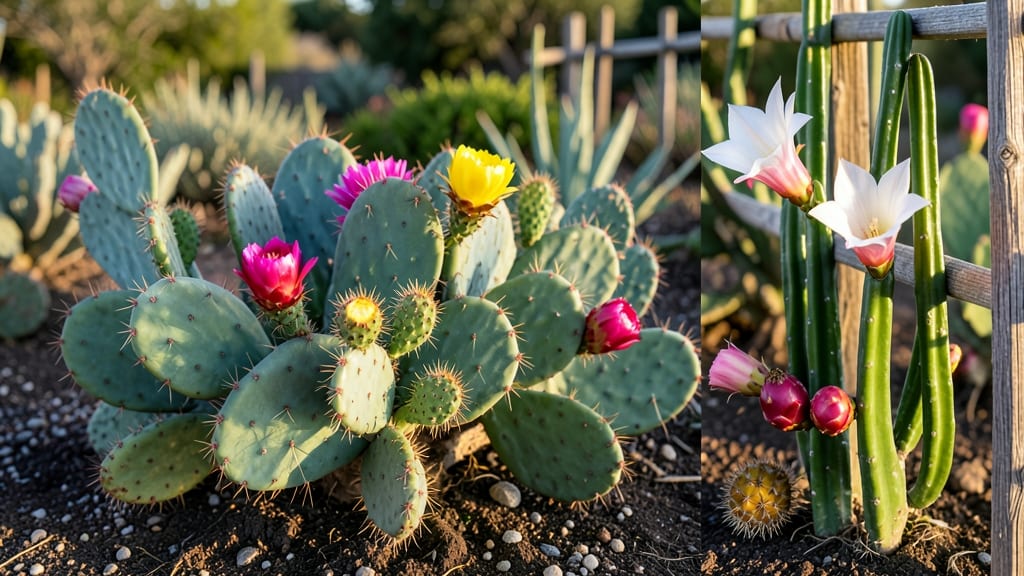
Prickly pear and dragon fruit aren’t the same—but they’re close cousins in the cactus family. 🌵 I’ve grown both, and while they share the same genus (Opuntia), dragon fruit (like Hylocereus) is a night-blooming epiphyte, while prickly pear (Opuntia spp.) is a hardy, sun-loving ground cactus.
The confusion comes from their similar fruit, but their care needs couldn’t be more different.
The biggest difference? Dragon fruit thrives in humidity and climbs, needing support like trellises, while prickly pear spreads low to the ground, tolerating dry heat and poor soil.
My dragon fruit vines produce vibrant pink fruit indoors with bright light, while my prickly pear pads multiply like weeds in full desert sun—yet neither bears fruit reliably without the right conditions.
If you want edible fruit, prickly pear’s pads (when cooked) and sweet fruit are easier to harvest, but dragon fruit’s exotic, jewel-toned fruits are the real showstopper. Both need well-draining soil and minimal water, but dragon fruit hates cold drafts, while prickly pear freezes like a champ.
Choose based on your climate and whether you prefer low-maintenance ground cover or climbing tropical drama.
Here’s the kicker: cross-pollination is rare, but if you grow both, keep them separate—hybrids exist but are messy. For fruit, prickly pear wins in most zones; for ornamental wow-factor, dragon fruit takes the crown. Pick your fighter!
The first product explained
Ever wondered if that vibrant prickly pear you spotted at the farmers' market is just another name for dragon fruit? While they might share a tropical allure, these two cacti-fruits have distinct identities!
Let’s dive into Product A: Prickly Pear Fruit (Opuntia spp.), the star of the cactus world, with a closer look at its specs, features, and why it might just steal your heart (and fruit bowl).
🌵 Key Specifications
The prickly pear—often called nopal or tuna—is the fruit of the Opuntia cactus genus. Here’s what sets it apart:
- Appearance: Oval-shaped, with a spiky, green exterior (when unripe) or deep red/purple hue (when ripe). The flesh is bright pink or red, dotted with tiny black seeds.
- Size: Typically 3–6 inches long, weighing 4–8 ounces.
- Texture: Soft, jelly-like pulp with a slightly grainy texture from the seeds.
- Taste: Sweet-tart flavor, often compared to a mix of pear, kiwi, and watermelon.
- Growing Season: Late spring to early fall (varies by region).
🌟 Standout Features
Prickly pears aren’t just pretty—they’re packed with perks:
- Nutrient Powerhouse: Rich in vitamin C, fiber, and antioxidants like betalains (responsible for that stunning color!).
- Versatile Uses: Enjoy fresh, blended into smoothies, baked into desserts, or even fermented into mezcal-style drinks.
- Culinary Flexibility: The pads (nopales) can be grilled, sautéed, or used in tacos, while the fruit adds a tropical twist to salads or cocktails.
- Sustainability Champion: Thrives in arid climates, requiring minimal water—perfect for eco-conscious gardeners!
🎯 Target Users
Who’s this fruit for? If you’re any of the following, prickly pear might become your new obsession:
- Health-conscious foodies looking for low-calorie, high-fiber snacks.
- Plant enthusiasts who love unique, drought-resistant cacti.
- Chefs and home cooks experimenting with global flavors (think Mexican, Middle Eastern, or Asian cuisine).
- DIYers interested in fermentation or natural dyes (the fruit’s pigments are a crafter’s dream!).
- Pet owners (with caution—the seeds and peel are toxic to pets, but the flesh is safe for humans!).
💰 Price Point & Availability
Pricing varies based on freshness, organic status, and location, but here’s a general breakdown:
| Form | Average Price (USD) | Where to Find |
|---|---|---|
| Fresh Fruit (per pound) | $3–$8 | Farmers' markets, specialty grocers, or Latin American markets. |
| Canned or Jarred (per jar) | $5–$12 | Online retailers (Amazon, Etsy) or bulk stores. |
| Dried or Powdered (per ounce) | $0.50–$3 | Health food stores or online supplement shops. |
| Cactus Pads (Nopales, per pound) | $4–$10 | Mexican grocery stores or fresh produce sections. |
Pro Tip: 💡 Buy in season (summer/fall) for the freshest, most affordable options. If you’re growing your own, prickly pears are low-maintenance—just watch out for those spines!
The second product explained
Now, let’s dive into the dragon fruit—the vibrant, sweet, and visually stunning fruit that often steals the spotlight! While it shares some similarities with prickly pear, dragon fruit (scientifically known as Hylocereus spp.) stands out in its own unique way.
🌈 Specs & Features
Dragon fruit is a tropical delight with a few key characteristics that set it apart:
- Appearance: Known for its bright magenta or yellow skin and speckled interior, dragon fruit looks like something out of a fantasy novel!
- Texture: Soft, jelly-like, and slightly crunchy—far from the firmness of prickly pear.
- Taste: Mildly sweet with a hint of kiwi or pear, often described as a mix of banana and pear.
- Nutritional Boost: Packed with antioxidants, vitamin C, and fiber, making it a superfood for health-conscious snackers. 📊
🎯 Target Users
Dragon fruit appeals to a wide audience, but it’s especially loved by:
- Health enthusiasts looking for a nutrient-dense snack.
- Fruit lovers who enjoy exotic flavors and vibrant colors.
- People with dietary restrictions (vegan, gluten-free, or low-calorie diets).
- Foodies experimenting with global cuisines—it’s a star in smoothies, salads, and desserts!
$ Price Point & Availability
Dragon fruit is generally more expensive than prickly pear due to its tropical origins and limited growing regions. Here’s a quick breakdown:
- Fresh: $3–$6 per fruit (varies by season and location).
- Frozen or Puree: $5–$10 per container (great for smoothies!).
- Where to Find It: Grocery stores (especially Asian or specialty markets), farmers' markets, or online retailers.
💡 Pro Tip: If you’re new to dragon fruit, try it fresh first—its texture and flavor are unforgettable! For a fun twist, blend it into a tropical smoothie with coconut milk and mango.
Head-to-head comparison
Now that we’ve explored the individual worlds of prickly pear and dragon fruit, let’s dive into a detailed side-by-side comparison to clear up any confusion.
While they might seem like two peas in a pod at first glance, their differences—from botanical roots to culinary uses—are as distinct as night and day! 🌵🍈
🌱 Botanical Classification & Origins
Even though both fruits share a cactus family lineage, their botanical identities couldn’t be more different:
- Prickly Pear: Belongs to the Opuntia genus, with over 200 species. The fruit itself is the tuna (the fleshy, edible part), while the pads (nopales) are also consumed. Native to the Americas, it thrives in arid climates and is a staple in Mexican and Southwestern cuisines.
- Dragon Fruit (Pitaya): Comes from the Hylocereus genus, part of the Cereus family. Only the fruit is edible, and it’s native to Central and South America but widely cultivated in Southeast Asia for its vibrant, tropical appeal. The skin is leathery, not spiky!
🍽️ Appearance & Texture
If you’ve ever mistook one for the other, this is where the confusion starts—and ends!
| Feature | Prickly Pear | Dragon Fruit |
|---|---|---|
| Skin | Thick, spiky, or sometimes smooth (depending on the variety). The skin is usually discarded, but some varieties have edible skins. | Leathery, vibrant (red, yellow, or pink), and completely smooth. The skin is edible and often eaten for added fiber and texture. |
| Flesh Color | Ranges from deep red to magenta, sometimes with tiny black seeds. | White or pink with speckled black seeds (or red flesh with black seeds, depending on the variety). |
| Texture | Gelatinous, slightly grainy, and juicy. The pads (nopales) are crunchy when cooked. | Soft, custard-like, and seed-speckled. The texture is often described as a cross between a kiwi and a pear. |
| Size & Shape | Oval or pear-shaped, typically 3–6 inches long, with prominent spines. | Oblong or oval, about 3–5 inches long, with a scaly, almost dragon-like appearance (hence the name!). |
🌡️ Flavor Profile
Your taste buds are in for a treat—or a surprise—depending on which fruit you sink your teeth into!
- Prickly Pear: Sweet, tangy, and slightly tart, with hints of pear, berry, or even a kiwi-like zing. The flavor intensifies when cooked or fermented (like in pulque or mezcal).
- Dragon Fruit: Mildly sweet with a tropical, floral undertone, often compared to a mix of pear, kiwi, and banana. Some varieties lean toward a more citrusy or strawberry-like taste.
💡 Pro Tip: If you’re new to prickly pear, try it fresh first—its flavor can be an acquired taste! Dragon fruit, on the other hand, is a crowd-pleaser for its gentle sweetness.
💰 Price & Availability
Your wallet (and grocery cart) will feel the difference between these two tropical stars:
- Prickly Pear:
- Fresh: $2–$5 per fruit (varies by season and region). Pads (nopales) are often cheaper, around $1–$3 per bunch.
- Processed (jam, syrup, powder): $5–$15 per jar or pouch. The powdered form is popular in smoothies and baking.
- Availability: Common in Mexican markets, farmers' markets, and specialty stores. Less likely to be found in mainstream grocery chains.
- Dragon Fruit:
- Fresh: $3–$6 per fruit, depending on the variety and organic status. Often sold pre-cut in salads or smoothie packs.
- Processed (juice, powder, dried): $8–$20 per container. The powder is trendy in health food circles.
- Availability: Widely available in Asian markets, Whole Foods, and even some mainstream grocery stores (especially in tropical regions or urban areas).
🎯 Tip: Dragon fruit is easier to find year-round, while prickly pear may have limited seasonal availability. If you’re craving prickly pear out of season, opt for canned or frozen versions!
🌿 Nutritional Showdown
Both fruits are nutritional powerhouses, but they bring different superpowers to the table. 📊
| Nutrient | Prickly Pear (per 100g) | Dragon Fruit (per 100g) |
|---|---|---|
| Calories | ~50 kcal | ~60 kcal |
| Fiber | ~2.5g (great for digestion!) | ~3g (especially in the skin) |
| Vitamin C | ~30% DV (boosts immunity!) | ~10% DV |
| Antioxidants | High in betalains (anti-inflammatory properties) | Rich in polyphenols (supports heart health) |
| Vitamin A | ~10% DV (supports vision) | ~5% DV |
| Iron | ~10% DV (great for energy) | ~Trace amounts |
| Unique Perk | Contains pectin (good for gut health) and omega-9 fatty acids. | Low glycemic index (ideal for diabetics) and hydrating. |
💪 Health Highlight: Prickly pear is a diabetic-friendly option due to its low glycemic index and high fiber, while dragon fruit’s antioxidants make it a heart-healthy choice. Both are excellent for hydration and skin health!
🍴 Culinary Uses
From savory dishes to sweet desserts, these fruits shine in different (but equally delicious) ways:
- Prickly Pear:
-
<
Which one should you choose?
So, are prickly pear and dragon fruit the same? After diving into the botanical details, nutritional benefits, and culinary uses, here’s the verdict—plus recommendations tailored to your needs. 🌵✨
🔍 Final Verdict
No, prickly pear and dragon fruit are not the same, though they share some superficial similarities. Prickly pear refers to the cactus itself (Opuntia spp.) and its edible pads (nopales) or fruit, while dragon fruit is the fruit of a different cactus (Hylocereus spp.).
They belong to the same family (Cactaceae) but are distinct species with unique flavors, textures, and health benefits.
🎯 Recommendations Based on Your Needs
| Scenario | Choose This | Why? |
|---|---|---|
| You love tropical flavors | Dragon fruit | Its mild, kiwi-like sweetness and creamy texture make it a standout in smoothies, desserts, or as a standalone snack. 🍍 |
| You’re into low-calorie, high-fiber snacks | Prickly pear fruit (or nopales) | Both are nutrient-dense, but nopales are especially great for weight management and digestion. 📊 |
| You’re a gardener or forager | Prickly pear cactus | Hardier and more versatile—grows in arid climates, provides both fruit and edible pads, and thrives with minimal care. 🌵 |
| You want vibrant colors for dishes | Dragon fruit | Its striking pink or yellow flesh adds visual appeal to bowls, cocktails, or desserts without overpowering flavors. 🎨 |
| You’re managing blood sugar | Prickly pear fruit | Lower glycemic index and packed with antioxidants that may help regulate glucose levels. 💪 |
| You’re experimenting with unique textures | Nopales (prickly pear pads) | Chewy yet tender—perfect for tacos, salads, or stir-fries for a fun twist. 🥗 |
💡 Pro Tip for First-Timers
If you’re new to either, start with dragon fruit—it’s easier to find fresh or frozen in stores and requires no prep (just peel and slice!). For prickly pear fruit, remove the skin and seeds first, or opt for pre-packaged options.
For nopales, always peel and slice them thinly to remove spines and reduce bitterness. 🔪✨
Still unsure? Try both! Their complementary flavors and textures make them perfect partners in recipes—like a prickly pear-nopales salsa with dragon fruit salsa on the side. 🌶️🍽️