
Vegetables
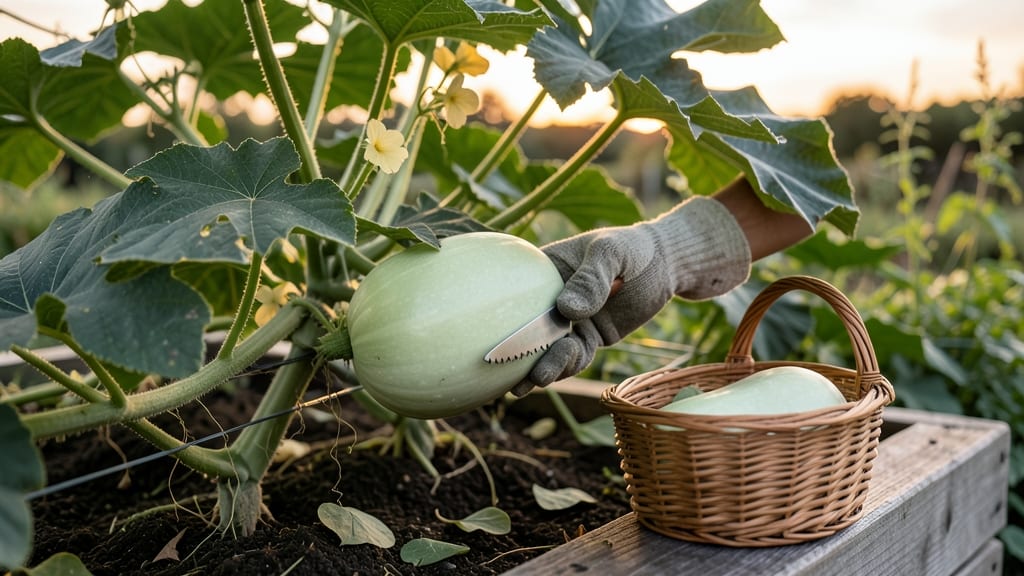
Winter melon is a fruit botanically, as it develops from the ovary of a flowering plant and contains seeds, though it’s often used in cooking like a vegetable due to its mild, cucumber-like flavor and watery flesh.
Winter melon fits the botanical definition perfectly—it grows from a flowering plant's ovary and contains edible seeds, just like tomatoes or cucumbers. 🌱 However, its culinary role often blurs the lines because its flesh resembles a vegetable in texture and mild flavor.
Many Asian cuisines treat it like a vegetable, using it in soups or stir-fries where you'd typically find zucchini or eggplant. This dual classification makes it a fascinating case study in how plants bridge botanical and culinary categories.
What's particularly interesting is how winter melon's water content—up to 96%—gives it that signature crisp, hydrating quality. 💫 This makes it a star in both traditional medicine (for hydration and detox) and modern cooking (as a low-calorie base for dishes).
The key takeaway? Don't let the kitchen label fool you—botanically speaking, winter melon is absolutely a fruit, even if it behaves like a vegetable on your plate.
💡 In This Article
- Botanical Classification: Why Winter Melon Is Scientifically a Fruit
- Culinary Uses of Winter Melon in Gardening and Cooking
Botanical classification: why winter melon is scientifically a fruit
Winter melon, scientifically known as Benincasa hispida, fits the botanical definition of a fruit because it develops from the ovary of a flowering plant after fertilization. Like all fruits, it contains seeds—typically around 100-200 per melon—which are embedded in its flesh.
These seeds are viable and can germinate, confirming its classification as a fruit rather than a vegetable. 🌱 The confusion arises because winter melon's flesh is 96% water and has a mild, cucumber-like flavor, making it behave more like a vegetable in culinary applications.
The structure of winter melon mirrors other gourds like cucumbers and squash, which are also botanically fruits. All three share a hard, waxy rind that protects the soft, water-rich interior and contain seeds in their centers.
However, winter melon stands out because its flesh is nearly translucent and almost flavorless when raw, requiring cooking to release its subtle sweetness. This lack of strong flavor is why many cultures treat it as a vegetable, despite its botanical classification.
What makes winter melon particularly fascinating is its growth pattern. The fruit develops from a single ovary of a vine plant, just like tomatoes or avocados, but its size can reach 10-20 pounds when fully mature—a trait more commonly associated with squash or pumpkins.
The thick, netted rind is a defining feature, providing both protection and a distinctive appearance that sets it apart from other edible gourds. 🍃 This rind is also why winter melon can be stored for months without spoiling, a characteristic more typical of vegetables than fruits.
The misclassification in kitchens stems from how we define "fruit" in everyday language. Botanically, a fruit is simply the mature ovary of a flowering plant containing seeds, while vegetables are other edible plant parts like leaves, stems, or roots.
Winter melon's watery texture and lack of strong flavor lead chefs to categorize it as a vegetable, but scientifically, it's a fruit through and through. This duality is why winter melon serves as a perfect example of how botanical definitions don't always align with culinary practices.
Consider this comparison: A tomato is universally accepted as a fruit botanically, yet used as a vegetable in salads. Winter melon follows the same pattern but takes it further with its extreme water content and neutral taste.
The key difference is that winter melon's flesh is so bland when raw that it requires preparation—like peeling, slicing, or cooking—to reveal its subtle sweetness, which is why it's often treated as a neutral base in dishes rather than a flavorful ingredient. 💫
For those curious about the science, winter melon belongs to the Cucurbitaceae family, which includes cucumbers, pumpkins, and zucchinis. This family is known for producing large, often water-rich fruits with hard outer shells.
The seeds inside are the true giveaway—they're the botanical clue that confirms winter melon's status as a fruit, even if its culinary role feels more vegetable-like. Understanding this distinction helps explain why winter melon can be used in both sweet and savory dishes without overpowering other flavors.