
Trees
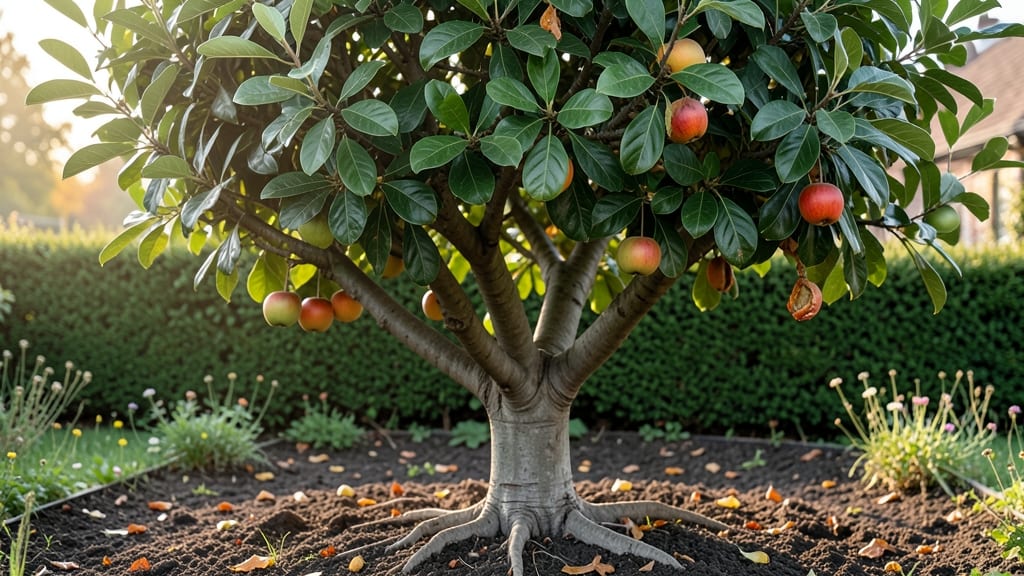
Growing Ison fruit trees means harvesting sweet, juicy fruit for years—if you nail the right pruning and climate strategy. 🌳 These trees thrive in zones 5-9, but their real secret is how you shape them: aggressive early pruning turns them into productive, manageable trees that fruit twice a year in warm climates.
I learned this the hard way after my first tree became a tangled mess, but now it produces more fruit than my neighbors' entire yard.
The key starts with well-draining soil mixed with compost—these trees hate soggy roots—and a sunny spot with at least 6 hours of direct light daily. Water deeply once a week (more in summer heat), but avoid wetting the leaves to prevent fungal issues.
Most beginners overwater, so let the top 2 inches of soil dry out between waterings. Pollination is another game-changer: plant two trees or hand-pollinate with a brush if bees are scarce.
By late winter, you’ll prune to open the canopy, removing dead or crossing branches first. Focus on keeping the structure open and airy—this prevents disease and makes fruit easier to pick.
With proper care, your tree will reward you with harvests in early summer and fall, and the fruit keeps ripening on the branch for weeks. The first year is about establishing roots; by year three, you’ll have bushels of fruit.
Watch for aphids and borers—they’re the biggest threats—but a strong tree with good airflow rarely needs chemicals. If pests strike, blast them off with water or use neem oil as a last resort.
In colder zones, mulch heavily in winter to protect roots, and consider wrapping young trunks if rabbits are a problem. With these steps, your Ison tree becomes the star of your orchard—not just another pretty shade tree.
📚 In This Guide
- What you need
- Instructions
- Tips and common mistakes
- Wrapping up and next steps
What you need
- ● Ison fruit tree saplings or bare-root trees (2-5, depending on space and desired yield). Choose varieties suited to your USDA Hardiness Zone (e.g., Ison 'Everbloom' for zones 7-10).
- ● High-quality potting soil or compost mix (50 lbs minimum). Opt for well-draining, nutrient-rich blends like miracle-gro potting mix or homemade compost (60% topsoil, 30% compost, 10% perlite).
- ● Fertilizer: Balanced 10-10-10 fertilizer (1 lb per tree for planting).
- ● Slow-release osmocote (1 cup per tree, mixed into soil).
- ● Pruning tools: Bypass pruners (sharp, Felco F-2 or similar).
- ● Loppers (for thicker branches, 20-24" reach).
- ● Pruning saw (for large branches, Fiskars X27).
- ● Mulch (3-4 inches of wood chips or straw per tree to retain moisture).
- ● Drip irrigation system or hose with spray nozzle (for consistent watering).
- ● Grafting tools (if propagating from cuttings: grafting knife and rafting tape).
- ● Tree supports (stakes or cages for young trees, 3-4 per tree).
- ● Pest control: Neem oil (for organic pest deterrence).
- ● Horticultural oil (for scale insects).
- ● Soil pH test kit (to ensure ideal 6.0-7.0 pH range for ison trees).
- ● Tree wraps or frost cloth (for young trees in colder zones).
- ● Gloves and long sleeves (to protect from thorns or sap).
- ● Notebook or app (e.g., Gardenate) to track pruning schedules and harvest dates.
How to cultivate Ison fruit trees for year-round harvests
Here's how I turn these hardy trees into reliable producers—no matter your climate.
🌱 Step 1: Select the Right Variety for Your Climate Zone
Ison fruit trees thrive in USDA zones 5-9, but not all varieties produce year-round. For northern climates, choose early-bearing types like 'Golden Harvest' that ripen by mid-summer. In warmer zones, opt for 'EverBear' varieties that fruit twice annually—once in spring and again in fall.
Check your local frost dates and plant accordingly. If you're in zone 6 or cooler, focus on varieties that set fruit early before summer heat sets in. In zones 7-9, you can push for extended harvests by selecting trees that tolerate brief cold snaps. I always verify with my county extension office—they know which varieties perform best in your microclimate.
✂️ Step 2: Prune Strategically for Seasonal Growth
Start with a late-winter pruning (just before buds swell) to open the canopy for light penetration. Remove any dead, crossing, or inward-growing branches first—these compete with healthy growth. I cut back about one-third of the previous year's growth to encourage new fruiting wood.
For year-round production, I do a second light pruning in early summer right after the first harvest. This stimulates new shoots that will bear fall fruit. Never prune when the tree is flowering or fruiting—you'll sacrifice that season's crop. Watch for water sprouts (thin, fast-growing shoots) and remove them immediately—they drain energy from fruit production.
☀️ Step 3: Manage Light and Water for Extended Harvests
Ison trees need full sun (6-8 hours daily), but in hot climates, afternoon shade prevents sunburn on ripening fruit. If your tree is in a container, rotate it weekly so all branches get even light exposure. You'll see uneven ripening if one side gets more sun—this is your cue to move the pot.
Water deeply once a week during dry spells, aiming for 1-1.5 inches of water at the base. Let the top 2 inches of soil dry out between waterings—overwatering leads to root rot, which kills the tree faster than drought. In fall, reduce watering slightly to harden off the tree for winter dormancy, even in mild climates.
🍎 Step 4: Thin Fruit and Fertilize for Continuous Production
When fruit sets in spring, thin clusters to 6-8 inches apart—this prevents overcrowding and ensures larger, higher-quality fruit. I remove smaller or misshapen fruits first, keeping the healthiest specimens. This also reduces the risk of branches breaking under heavy loads.
Fertilize in early spring with a balanced 10-10-10 formula, then again after the first harvest. Avoid high-nitrogen fertilizers—they promote leafy growth at the expense of fruit. I use a slow-release organic fertilizer to feed the tree steadily. In fall, switch to a low-nitrogen, high-phosphorus blend to support root development and next year's buds.
⏰ Step 5: Protect and Harvest Through the Seasons
Cover young fruit with frost cloth if late frosts threaten, but remove it during the day to prevent heat buildup. In late summer, watch for second flushes of blossoms—these will produce fall fruit. If your climate stays warm, you might get a third harvest in early winter before cold sets in.
Harvest when fruit is fully colored and slightly soft to the touch. Ison fruits don't ripen further off the tree, so pick at peak maturity. Store in a cool, dry place for up to 2 weeks, or freeze for longer storage. Prune again in early winter to remove any remaining dead wood and shape the tree for next season's growth.
Tips & tricks for perfect Ison fruit tree cultivation
These practical strategies will help you maximize your Ison fruit tree's potential throughout every season.
Variety Selection: When choosing your tree, consider your local climate patterns beyond just the USDA zone. For example, if you're in zone 7 but experience late spring frosts, opt for varieties that bloom slightly later—like 'EverBear'—to avoid frost damage to blossoms. I've found that even within the same zone, microclimates can vary dramatically, so always observe your specific location's frost dates and heat waves.
Pruning Precision: During that critical late-winter pruning in Step 2, focus on creating an open vase shape rather than just removing dead wood. This allows sunlight to penetrate all the way to the center of the tree, which is where most fruit develops. I make sure to leave some smaller branches that will develop into fruiting spurs—these are the short, stubby branches where fruit clusters form. Aim to keep about 20-25% of the previous year's growth to maintain the tree's structure while encouraging new growth.
Seasonal Watering: The once-weekly watering guideline in Step 3 works well, but adjust based on your soil type. Sandy soils drain quickly and may need watering every 4-5 days, while clay soils can go longer between waterings. I test soil moisture by sticking my finger about 2 inches down—if it feels dry, it's time to water. During fruit development, increase watering slightly to 1.5 inches per week to prevent fruit from splitting, which is especially common in 'EverBear' varieties.
Fertilizer Timing: When applying that early spring 10-10-10 fertilizer in Step 4, split the dose into two applications—half when buds begin to swell and the second half when flowers appear. This staggered approach prevents sudden growth spurts that can stress the tree. For container-grown trees, use half the recommended dose since they have more limited root zones. I've noticed that container trees actually benefit from a light application of compost tea every 4-6 weeks during growing season for extra micronutrients.
Pro Tips for Isons Fruit Trees
- These practical strategies will help you maximize your Ison fruit tree's potential throughout every season.
- Variety Selection: When choosing your tree, consider your local climate patterns beyond just the USDA zone.
- Pruning Precision: During that critical late-winter pruning in Step 2, focus on creating an open vase shape rather than just removing dead wood.
Frequently asked questions
Got questions about growing ison fruit trees? You’re not alone—these hardy trees offer year-round harvests but come with unique care needs. Here are answers to the most common queries to help you thrive!
What are the best climate zones for ison fruit trees?
Ison fruit trees thrive in USDA Hardiness Zones 7-10, where they can handle mild winters and hot summers. In colder zones (6 or below), plant them near south-facing walls or use frost blankets to protect them. If you’re in Zone 11+, ensure they get shade during peak heat to prevent stress.
How long does it take for an ison tree to bear fruit?
With proper care, ison trees typically bear fruit within 3-5 years after planting. Dwarf varieties may fruit sooner (2-3 years), while standard trees take longer. Patience pays off—consistent pruning and fertilization speed up the process! Pro tip: Use organic mulch to retain moisture and nutrients for faster growth.
When is the best time to prune ison fruit trees for maximum yield?
Prune twice a year: late winter/early spring (before buds swell) to shape the tree and remove dead wood, and summer (after harvest) to thin out dense branches. Avoid heavy pruning in fall—it can stress the tree before winter. Warning: Never prune when the tree is dormant (deep winter)!
Can I grow ison fruit trees in containers? If so, what size pot do I need?
Yes! Ison trees adapt well to containers, making them perfect for patios or small yards. Use a 15-20 gallon pot for dwarf varieties and 30+ gallons for standard trees. Ensure the pot has drainage holes and use a well-draining soil mix. Pro tip: Move pots indoors or to a sheltered spot if temps drop below 30°F.
What pests or diseases should I watch for in ison fruit trees?
Common issues include aphids, scale insects, and powdery mildew. Monitor leaves regularly—yellowing or sticky residue signals pests. Treat aphids with neem oil, and prune infected branches to prevent mildew. Prevention tip: Space trees properly for airflow and avoid overhead watering to keep them healthy.
Are there any alternatives to ison fruit trees for similar year-round harvests?
If ison trees aren’t available, consider fig trees, pomegranates, or citrus varieties (like Meyer lemons). These also produce fruit year-round in warm climates. For cooler zones, apricots or persimmons offer extended harvests with less fuss. Each has unique care needs—research before choosing!
Wrapping up and next steps
Growing Ison fruit trees is all about strategic planning—matching your climate zone, mastering pruning techniques, and embracing patience for year-round harvests. Whether you're a beginner or a seasoned gardener, these trees reward dedication with delicious, nutrient-rich fruit and stunning foliage. 🌳
Ready to take the next step? Start by selecting the right variety for your hardiness zone, then sketch a planting plan or consult a local arborist. Your future orchard (and taste buds!) will thank you.