
Fertilization
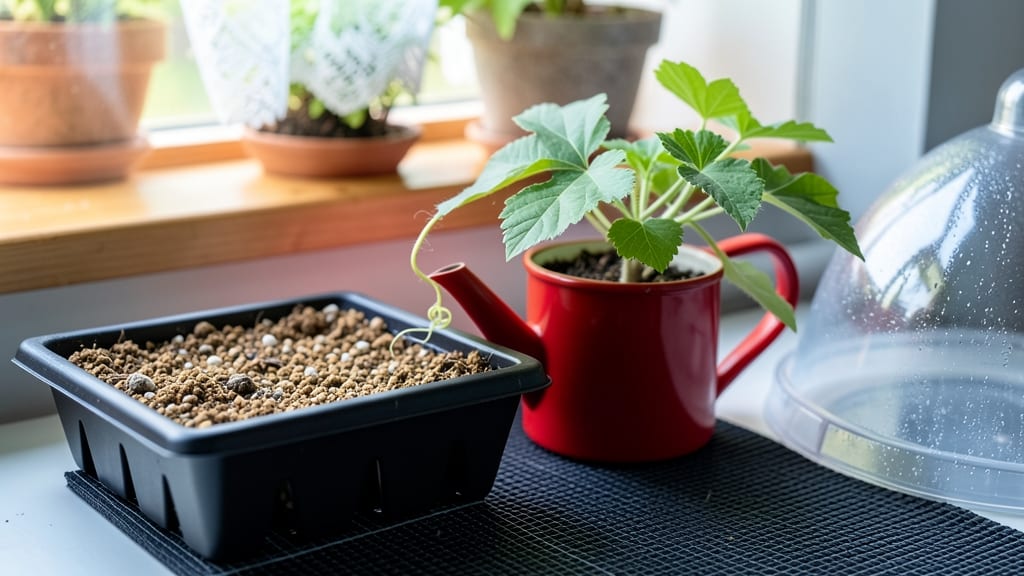
Growing monk fruit seedlings indoors lets you enjoy sweet vines year-round—no tropical climate required. 🌱 I’ve watched these delicate sprouts transform into vigorous plants that thrive in containers, and the secret lies in mimicking their natural jungle conditions at home.
The key is warmth, humidity, and bright indirect light—think of a greenhouse without the glass. Most seedlings emerge within 2-4 weeks if kept consistently moist at 75-85°F, but patience is key. Slow germination? Check your seed viability or soil warmth.
Once sprouted, your seedlings will reward you with glossy leaves and rapid growth if you maintain 60-70% humidity and avoid cold drafts. The first true leaves signal it’s time to transition to a larger pot and introduce gentle fertilizer.
This method works for both beginners and experienced growers—just remember, monk fruit loves attention but hates neglect. Let’s get those vines growing!
📚 In This Guide
- What you need
- Instructions
- Tips and common mistakes
- Wrapping up and next steps
What you need
- ● Monk fruit seeds – 5–10 seeds (ensure they’re fresh or pre-soaked for better germination).
- ● Seed-starting trays or small pots – 2–4 inch pots (biodegradable or plastic) with drainage holes.
- ● High-quality potting mix – 2–3 gallons of well-draining, sterile mix (add perlite or vermiculite for aeration).
- ● Grow lights or sunny windowsill – 12–16 hours of light daily (LED grow lights work great for seedlings).
- ● Misting bottle or spray nozzle – For gentle hydration (avoid overwatering!).
- ○ Humidity dome or plastic wrap – Optional but helpful for maintaining moisture during germination.
- ● Fertilizer (balanced or organic) – 5–10–10 or fish emulsion (diluted to half-strength for seedlings).
- ● Pruning shears – Small, sharp pair for trimming as the vine grows.
- ● Support structure – Trellis, stakes, or cages (monk fruit vines can grow 10+ feet!).
- ● Soil moisture meter – To monitor hydration levels without guesswork.
- ● Compost or worm castings – Boosts soil fertility naturally.
- ● Epsom salt (magnesium sulfate) – 1 tsp per gallon of water for leafy growth (use sparingly).
- ● Garden journal – Track growth stages, watering, and fertilization schedules.
- ● Frost cloth or greenhouse – Protects seedlings from cold snaps (monk fruit is tropical!).
Step-by-step instructions for growing thriving monk fruit seedlings
Here's my battle-tested approach to coaxing monk fruit seedlings into vigorous, productive vines—even when seasons shift.
🌱 Step 1: Select and Prepare the Right Growing Medium
Monk fruit thrives in well-draining soil with a slightly acidic to neutral pH between 5.5-7.0. I blend 50% coconut coir, 30% perlite, and 20% compost for perfect aeration while retaining moisture. Avoid garden soil—it compacts too easily and invites rot. Fill your 6-inch pots with this mix, leaving 1 inch of space at the top for watering.
Run your finger through the soil—it should feel like a damp sponge, not a wet rag. If it clumps when squeezed, add more perlite. Monk fruit roots are sensitive to waterlogging, so drainage is non-negotiable. I always pre-moisten the mix before planting to eliminate air pockets that could suffocate young roots.
☀️ Step 2: Plant Seeds at Optimal Depth and Temperature
Monk fruit seeds germinate best at 75-85°F, so I use a seedling heat mat underneath my trays. Plant seeds ½ inch deep, spacing them 2 inches apart—they're small but grow fast. Cover lightly with additional mix, then mist gently until the surface looks uniformly damp but not soggy.
Here's the thing—monk fruit seeds can take 14-21 days to sprout, so patience is key. I keep the soil consistently moist (not wet) by watering only when the top ¼ inch feels dry. Once seedlings emerge, remove the heat mat immediately—you'll see the first true leaves appear within 7-10 days after germination.
🌿 Step 3: Provide Light and Support for Early Growth
Seedlings need 12-14 hours of bright, indirect light daily—a south-facing window works, but I supplement with a full-spectrum LED grow light for consistent growth. Position the light 3-4 inches above the plants and raise it weekly as they grow. Leggy seedlings with pale stems mean your light is too far away.
When plants reach 4-6 inches tall, I install soft bamboo stakes beside each vine. Monk fruit grows aggressively, and early support prevents stems from snapping under their own weight. Tie the main stem loosely with cloth strips—too-tight ties strangle growth. You'll notice new leaves emerging every 2-3 weeks as the vine establishes itself.
💧 Step 4: Transition to Outdoor Conditions Gradually
Two weeks before your last frost date, begin hardening off seedlings by placing them outside in partial shade for 1-2 hours the first day. Gradually increase exposure over 10-14 days, moving them to morning sun before full outdoor placement. Monk fruit is tropical—it can't handle sudden temperature swings.
After transplanting, water deeply at the base—1 gallon per plant—to encourage root expansion. Mulch with 2 inches of wood chips to retain moisture and suppress weeds. Watch for new leaf growth in 3-4 weeks—this signals successful establishment. Real talk: If leaves yellow, you're overwatering. Let the soil dry 1 inch deep between waterings.
✂️ Step 5: Prune and Train for Year-Round Productivity
Once vines reach 6 feet, prune back one-third of the longest stems to encourage bushier growth. I always cut just above a leaf node where new branches will form. Remove any yellow or diseased leaves immediately—monk fruit is prone to fungal issues in humid conditions.
Train vines along a trellis or arbor to maximize vertical space. The goal is a pyramid shape with 3-4 main stems and abundant side shoots. Harvest begins when fruits turn deep purple—twist gently to avoid damaging the vine. With proper care, a single plant yields 50-100 fruits per season, and with winter protection, you can extend growth year-round.
Tips & tricks for thriving monk fruit seedlings
These battle-tested insights will help you transform delicate seedlings into robust, fruit-bearing vines that defy seasonal limits.
Soil Science: The 50% coconut coir, 30% perlite, 20% compost blend creates the perfect balance for monk fruit roots. Here's what I learned the hard way: if your mix feels like wet sand when squeezed, you've overwatered the ingredients. Adjust by adding more perlite until it holds shape like a damp sponge. This prevents the dreaded root rot that can kill seedlings before they even sprout.
Germination Game-Changer: The 14-21 day germination window is your patience test, but here's the secret weapon: place a clear plastic dome or plastic wrap over your seed trays to create a mini greenhouse effect. This maintains consistent moisture and humidity at that critical 75-85°F range without overwatering. Remove the cover immediately once you see the first true leaves—this prevents fungal growth that thrives in damp conditions.
Lighting Strategy: Those 12-14 hours of light aren't just about duration—they're about intensity. I've seen seedlings stretch into weak, leggy shadows when grow lights are too far away. Start with 3-4 inches above the plants, then raise the light weekly as vines grow. The moment you notice stems longer than 4 inches with pale leaves, it's time to adjust. This prevents that classic "etoliation" look where plants grow toward light instead of developing strong stems.
Hardening Off Hack: The gradual 10-14 day transition to outdoor conditions is where most failures happen. I've found that starting with just 1-2 hours of partial shade on day one, then increasing by 30 minutes daily, gives plants time to adjust their internal clocks. On cloudy days, extend the time slightly—monk fruit needs to acclimate to natural light cycles. Watch for leaves that curl slightly at the edges; this is their way of saying "slow down, we're not ready yet."
Pro Tips for Monk Fruit Seedling
- These battle-tested insights will help you transform delicate seedlings into robust, fruit-bearing vines that defy se...
- Soil Science: The 50% coconut coir, 30% perlite, 20% compost blend creates the perfect balance for monk fruit roots. ...
- Germination Game-Changer: The 14-21 day germination window is your patience test, but here's the secret weapon: place...
Frequently asked questions
Got questions about growing monk fruit seedlings?
You’re not alone! Here are answers to the most common concerns—from timing to troubleshooting—to help your vines thrive year-round.
How long does it take for monk fruit seedlings to mature and produce fruit?
Monk fruit seedlings typically take 2–3 years to mature before producing fruit. The first year focuses on root and vine growth, while the second year may yield small, immature fruits. Patience is key—consistent care (like proper fertilization and sunlight) speeds up the process!
Why are my monk fruit seedlings wilting, even with regular watering?
Wilting can signal underwatering, overwatering, or poor drainage. Monk fruit thrives in well-draining soil—check for soggy roots or compacted soil. Water deeply 2–3 times per week (adjust for climate) and ensure pots/containers have drainage holes. Yellowing leaves? That’s another red flag for overwatering.
Can I grow monk fruit seedlings indoors year-round, or do they need outdoor conditions?
Monk fruit seedlings prefer outdoor conditions (they’re tropical vines!) but can start indoors in warm climates with bright, indirect light. If indoors, use a grow light for 12+ hours/day and maintain temperatures above 65°F (18°C). Transition seedlings outdoors gradually to avoid shock.
Are there faster-growing alternatives to monk fruit seedlings for sweetener production?
If you’re after sweetness, consider stevia (faster-growing, drought-tolerant) or lohan berry (similar low-calorie sweetness). Monk fruit is slower but 200x sweeter than sugar and heat-stable—perfect for baking! For quick harvests, try honeydew melon or figs, though they’re not seed-based.
How do I revive a struggling monk fruit seedling?
Start with these steps:
- Prune dead/damaged leaves (use clean scissors).
- Repot in fresh, well-draining soil if roots are rotting.
- Adjust watering—let the top inch of soil dry between waterings.
- Boost nutrients with a balanced fertilizer (10-10-10) every 4–6 weeks.
- Move to a sunnier spot (6+ hours of light daily).
Wrapping up and next steps
Growing a thriving monk fruit seedling is totally within your reach—with the right care, patience, and a dash of passion! 🌱 By mastering the art of fertilization, watering, and seasonal adjustments, you’ll unlock year-round growth that’s both rewarding and delicious.
Whether you’re a seasoned gardener or just starting, every small step brings you closer to a bountiful harvest.
Ready to take the next step? Start with a single seedling today—experiment with the tips you’ve learned, and watch your vine flourish. Happy growing! 🌿