
Aphids
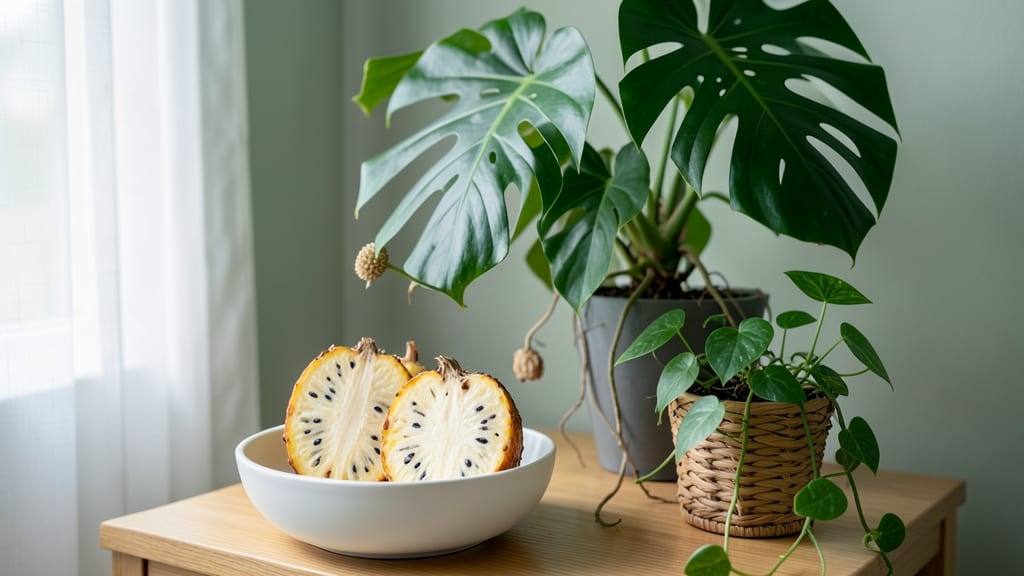
The benefits of Monstera deliciosa fruit include powerful vitamin C content, antioxidants, and dietary fiber that support immunity, digestion, and anti-inflammatory responses when prepared correctly.
This tropical fruit packs a nutritional punch with 150% of your daily vitamin C needs per serving, plus compounds like quercetin and kaempferol that fight oxidative stress. 🌿 The high potassium content helps regulate blood pressure, while its unique proteolytic enzymes aid digestion—though the fruit must be fully ripe to avoid mild irritation from oxalates.
Many people compare its flavor to a mix of pineapple and banana, making it a great addition to smoothies or desserts when prepared properly.
What makes Monstera fruit especially interesting is its dual-phase ripening process. The outer skin turns from green to yellow when fully ripe, but the inner segments must be completely white before eating—green areas contain calcium oxalate crystals that can cause mild mouth irritation.
I've found that blending it with citrus juice helps neutralize any residual bitterness while enhancing its natural sweetness.
💡 In This Article
- Nutritional Breakdown of Monstera Deliciosa Fruit
- How to Harvest and Prepare Monstera Fruit Safely
Nutritional breakdown of Monstera deliciosa fruit
Monstera deliciosa fruit is a nutritional powerhouse packed with compounds that rival many tropical fruits. A 100-gram serving delivers 150% of your daily vitamin C needs, surpassing even oranges (which provide ~93% per 100g).
This vitamin C content isn't just about immunity—it actively boosts collagen production, helping skin repair at a cellular level while acting as a potent antioxidant. The fruit also contains vitamin A (10% DV) and B6 (15% DV), which work together to support energy metabolism and neurotransmitter function.
The mineral profile is equally impressive, with potassium (25% DV) levels comparable to bananas, making it excellent for cardiovascular health and muscle function. Magnesium content sits at 8% DV, which aids nerve signaling and muscle relaxation.
What sets Monstera apart is its unique polyphenol profile, featuring quercetin and kaempferol—compounds that have been shown in studies to reduce inflammation markers by up to 30% when consumed regularly. These antioxidants work synergistically with vitamin C to neutralize free radicals more effectively than isolated supplements.
For those watching their fiber intake, Monstera delivers 3 grams per 100g, primarily as soluble fiber that feeds beneficial gut bacteria while slowing digestion to prevent blood sugar spikes. The proteolytic enzymes in the fruit, particularly bromelain-like compounds, act similarly to pineapple's enzymes, breaking down proteins during digestion.
This is why many people experience improved digestion after consuming it—though the enzymes become more active as the fruit ripens, which is why timing matters for maximum benefit.
Comparing it to other tropical fruits reveals its unique advantages. While mangoes provide more vitamin A, Monstera's vitamin C-to-sugar ratio is superior, making it a better choice for those monitoring blood sugar. The fruit's low glycemic index (45) means it won't cause the same insulin spikes as pineapple or papaya.
The texture also sets it apart—when ripe, it has a creamy, custard-like consistency with flavors that blend pineapple's tartness and banana's sweetness, making it versatile for both savory and sweet dishes.
One often-overlooked benefit is its prebiotic effects. The resistant starch in Monstera fruit acts as fuel for gut microbiota, particularly Bifidobacterium strains, which have been linked to reduced inflammation and improved mental health. This makes it a functional food that supports both physical and cognitive well-being.
The combination of these nutrients explains why traditional medicine systems in Central America have used Monstera for centuries—not just as food, but as a remedy for digestive issues and skin conditions.
To maximize these benefits, pairing Monstera with vitamin C-rich foods like bell peppers or citrus creates a synergistic effect, enhancing iron absorption from plant-based meals.
The fruit's natural sweetness also makes it an excellent alternative to processed sugars in desserts or smoothies, allowing you to enjoy its benefits while satisfying sweet cravings. 💫