
Fertilization
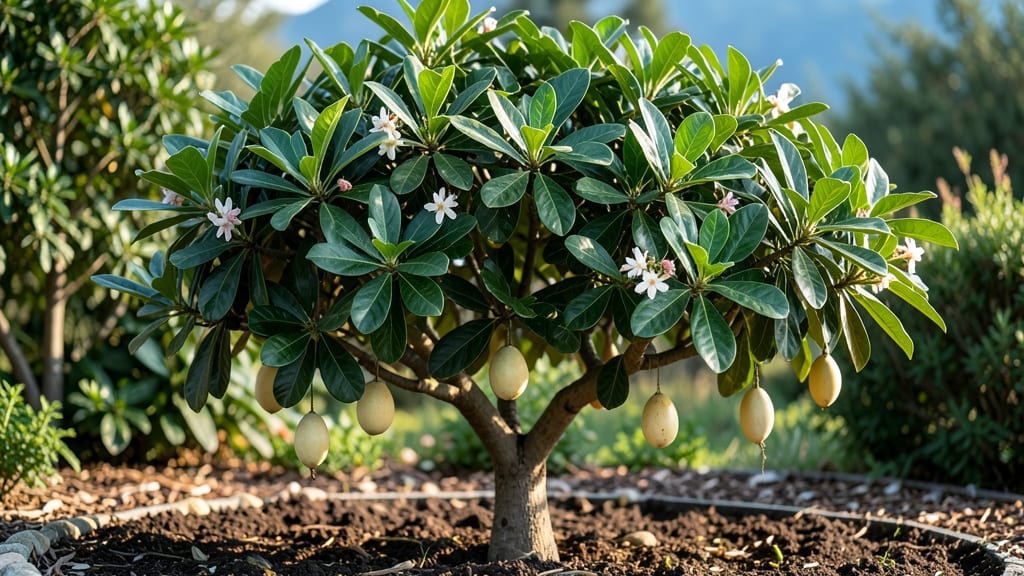
Growing Morinda citrifolia fruit means waking up to fragrant white blooms that attract bees and hummingbirds year-round. 🌸 I’ve watched my noni plants transform from scraggly cuttings into lush, fruit-bearing shrubs that thrive in my subtropical climate—even when neighbors’ tropical plants struggle.
The secret isn’t complicated: it’s about mimicking its native habitat with just the right balance of sun, water, and well-draining soil.
This resilient plant needs 6+ hours of sunlight daily and tolerates heat and humidity like a champ, but it despises soggy roots. I’ve found that sandy loam mixed with compost keeps it happy, while regular pruning after fruiting encourages bushier growth.
The first year is all about establishing roots—don’t rush the harvest. Patience pays off with dozens of waxy, pear-shaped fruits by year two.
What makes noni special is its dual-purpose bounty: the flowers feed pollinators, while the fruit—when ripe—has a tangy, slightly bitter taste that’s been used for centuries in teas and remedies.
The key to maximizing yield? Prune lightly after harvest to encourage new blooms and mulch heavily to retain moisture during dry spells.
Perfect for warm climates (zones 10-12) but adaptable in containers for cooler areas. If you’ve ever wanted a tropical plant that’s low-maintenance yet productive, noni delivers—just give it space to stretch its arms and soak up the sun.
📚 In This Guide
- What you need
- Instructions
- Tips and common mistakes
- Wrapping up and next steps
What you need
- ● Morinda citrifolia seeds or saplings: 3–5 healthy plants (ensure they’re disease-free and locally adapted if possible).
- ● Well-draining soil: 2–3 cubic yards of a mix of topsoil, compost, and perlite/sand (ratio: 60% soil, 30% compost, 10% perlite). pH should be 5.5–7.0.
- ● Fertilizer: Balanced organic fertilizer (e.g., 5-5-5): 10 lbs to amend soil at planting.
- ● Citrus/noni-specific fertilizer (high in potassium): 5 lbs for monthly feedings during fruiting season.
- ● Pollinator-friendly plants: 1–2 companion plants like hibiscus, jasmine, or native wildflowers to attract bees and butterflies.
- ● Watering system: Drip irrigation kit or soaker hoses (50–100 ft length, depending on garden size).
- ● Water storage container (5+ gallons) for consistent moisture.
- ● Basic gardening tools: Trowel or hand shovel
- ● Pruning shears (sterilized)
- ○ Gloves (optional but recommended)
- ● Mulch: 2–3 bags of wood chips or straw to retain moisture and suppress weeds.
- ● Pest control: Neem oil spray (16 oz) or beneficial nematodes for soil-dwelling pests.
- ● Shade cloth (30–50% coverage): 10–20 ft length to protect young plants from harsh sun.
- ○ Soil test kit: To check nutrient levels before planting (optional but highly recommended).
- ● Journal/notebook: For tracking blooms, pollinator visits, and fruit production!
Step-by-Step guide to cultivating Morinda citrifolia fruit
Here's how to coax vibrant blooms and luscious fruit from this tropical treasure—with techniques that attract pollinators and extend your harvest season.
🌱 Step 1: Select and Prepare Your Planting Site
Morinda citrifolia thrives in USDA Zones 10-11 but can be grown in containers in cooler climates. Choose a location with partial shade to dappled sunlight—too much direct sun scorches the leaves, while too little reduces flowering. The ideal spot has well-draining soil with a slightly acidic pH (5.5-6.5).
If planting outdoors, amend heavy clay soil with 2-3 inches of compost and 1 inch of coarse sand to prevent waterlogging. For container growing, select a 5-gallon pot or larger with drainage holes. I always add a 2-inch layer of orchid bark mix at the bottom to mimic its natural epiphytic tendencies—this improves aeration and mimics the tree's native habitat.
☀️ Step 2: Plant and Establish Your Morinda Citrifolia
Transplant your young Morinda citrifolia in spring or early summer when temperatures are consistently above 60°F. Dig a hole twice as wide as the root ball but only as deep—planting too deep suffocates the roots. Gently remove the plant from its container and loosen any circling roots with your fingers.
Position the plant so the top of the root ball sits 1 inch below soil level. Backfill with native soil mixed with 1 cup of slow-release organic fertilizer (look for one with a balanced 6-6-6 ratio). Water deeply until moisture reaches 6 inches down, then mulch with 2 inches of wood chips to retain moisture and deter weeds. Young plants need daily watering until established, but mature specimens tolerate drought once rooted.
💧 Step 3: Encourage Pollinator-Friendly Blooms
Morinda citrifolia produces fragrant white flowers that attract bees, butterflies, and hummingbirds—key pollinators for fruit set. To maximize blooms, feed plants every 6-8 weeks with a low-nitrogen fertilizer (3-4-6 ratio) during the growing season. I swear by a seaweed-based fertilizer in spring to boost flowering without excessive foliage growth.
Prune leggy growth in late winter to redirect energy into flowering. Cut back overly long branches by one-third, always making cuts just above a leaf node. Deadhead spent blooms by snipping off faded flowers with clean pruners—this prevents seed formation and encourages more blossoms. Watch for new flower buds forming in leaf axils; these are your signal that the plant is happy and ready to fruit.
🍈 Step 4: Harvest and Extend Your Fruitful Season
Morinda citrifolia fruits mature 6-12 months after flowering, depending on climate. Harvest when the fruit turns yellow-green and slightly soft to the touch—it should yield gently when pressed. Cut stems with 2 inches of attached branch to prevent damage to the plant. Store fruits at room temperature for up to 2 weeks or refrigerate for 4-6 weeks to preserve freshness.
To extend your harvest, protect plants from frost (they die back at 32°F). In cooler zones, grow Morinda citrifolia in large containers and overwinter indoors near a south-facing window or under grow lights. Resume outdoor placement in spring once night temperatures stay above 55°F. With proper care, a single plant can produce dozens of fruits annually, making it a rewarding tropical addition to any garden.
Tips & tricks for cultivating Morinda citrifolia fruit
These insider techniques will help you coax the most vibrant blooms and abundant harvests from your Morinda citrifolia—without common pitfalls that stifle growth.
Soil Science Matters: The 2-inch layer of orchid bark mix in Step 1 isn't just decorative—it's essential for mimicking the plant's epiphytic roots. If you're planting in containers, consider adding perlite or coconut coir to improve drainage further. I've found that mixing 1 part bark, 1 part perlite, and 1 part native soil creates the perfect airy medium that prevents root rot while encouraging robust growth.
Timing is Everything: When transplanting in Step 2, aim for spring or early summer when soil temperatures stay above 60°F—this prevents transplant shock. I've learned the hard way that cooler soils delay root establishment, making plants vulnerable to stress. If you're in a cooler climate, consider using a heat mat for the first few weeks to maintain consistent warmth at the roots.
Pruning Precision: The late winter pruning in Step 3 is your chance to shape the plant's future. Always cut back overly long branches by one-third, but never remove more than 30% of the foliage at once. This balance promotes flowering while maintaining the plant's energy reserves. I mark my cuts with a pencil first to visualize the final shape—this prevents over-pruning, which can stress the plant and reduce fruit production.
Frost Protection Strategy: When preparing for winter in Step 4, don't wait until the last frost warning. Move containers indoors when night temperatures dip below 55°F—this gives the plant time to acclimate. I've found that placing plants near south-facing windows with supplemental grow lights mimics natural daylight cycles, keeping them productive even during winter months. A simple thermometer placed near the plant helps track temperature fluctuations accurately.
Pro Tips for Morinda Citrifolia Fruit
- These insider techniques will help you coax the most vibrant blooms and abundant harvests from your Morinda citrifolia—without common pitfalls that stifle growth.
- Soil Science Matters: The 2-inch layer of orchid bark mix in Step 1 isn't just decorative—it's essential for mimicking the plant's epiphytic roots.
- Timing is Everything: When transplanting in Step 2, aim for spring or early summer when soil temperatures stay above 60°F—this prevents transplant shock.
Frequently asked questions
How long does it take for a Morinda citrifolia tree to bear fruit?
Patience is key! Under ideal conditions, a Morinda citrifolia tree typically takes 3 to 5 years to produce its first fruits. However, factors like climate, soil quality, and proper care can speed this up. In tropical or subtropical regions, you might see fruit as early as 2–3 years, while cooler climates may extend the wait. Pro tip: Ensure your tree gets full sun (6+ hours daily) and well-draining soil to encourage faster fruiting.
Why isn’t my Morinda citrifolia tree flowering or fruiting?
If your tree is healthy but not flowering, it could be due to lack of pollinators, nutrient deficiencies, or environmental stress. Morinda citrifolia relies on bees and other pollinators—planting companion flowers (like hibiscus or bougainvillea) nearby can help. Additionally, check your fertilization routine: a balanced NPK ratio (e.g., 10-10-10) applied every 2–3 months supports blooming. Troubleshoot: If the soil is too acidic (pH < 6.0), amend it with lime to improve flowering.
Can I eat Morinda citrifolia fruit directly from the tree?
Yes, but with caution! The fruit is edible when ripe (yellowish-green skin) and has a tangy, slightly sweet taste. However, it’s not typically eaten raw due to its strong flavor and seedy texture. Most people blanch, ferment, or juice it for teas, jams, or supplements. Health note: The fruit is rich in antioxidants, but overconsumption may cause digestive upset. Start with small amounts!
What’s the best way to fertilize Morinda citrifolia for maximum fruit production?
Use a two-step approach: organic matter (like compost or worm castings) and balanced synthetic fertilizer. During the growing season (spring–fall), apply a 10-10-10 or 8-3-9 fertilizer every 6–8 weeks. In winter, reduce to once every 3 months. Bonus tip: Add a handful of potassium-rich fertilizer (like banana peel tea) to boost fruit sweetness and size.
Can Morinda citrifolia survive in cold climates, or should I grow it in containers?
Native to tropical regions, Morinda citrifolia thrives in USDA zones 10–12. In colder areas (< zone 9), grow it in large containers (15+ gallons) and move it indoors during frost. Use a heat mat for roots if temperatures drop below 50°F (10°C). Alternative: Try growing it as a houseplant near a sunny window, though fruit yield will be limited.
Wrapping up and next steps
From pollinator-friendly blooms to year-round fruitfulness, growing Morinda citrifolia (nonî fruit) is a rewarding journey that benefits both your garden and the planet! 🌿 With the right fertilization techniques, soil prep, and a little patience, you’ll enjoy a thriving plant packed with nutritious fruit.
Whether you’re a seasoned gardener or just starting, every step you take brings you closer to a bountiful harvest.
Ready to dive in? Start small—plant your first nonî tree or expand your existing garden—and watch your pollinator-friendly oasis flourish. Happy growing! 🌱