
Fertilization
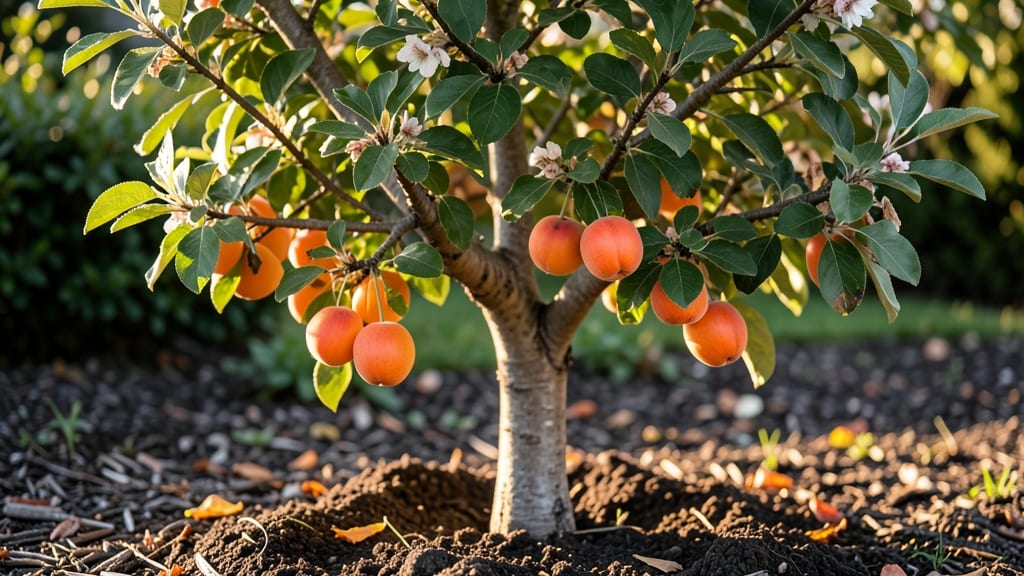
The nectarine fruit in Hindi is commonly known as खुबानी (Khubani), though some regions may also refer to it as अमृतफल (Amritphal). These terms reflect both everyday usage and classical references, with pronunciation varying between khub-ah-nee and am-rit-fal.
In Hindi-speaking regions, खुबानी (Khubani) is the most widely recognized term for nectarines, especially in North India where it's a staple in markets and kitchens. 🌿 The name अमृतफल (Amritphal), meaning "nectar fruit," appears in older texts or poetic contexts, adding a layer of cultural richness.
What's fascinating is how regional accents can soften or elongate vowels—like the "aa" in खुबानी—making pronunciation a delightful journey across dialects.
For practical use, I recommend sticking with खुबानी when shopping in local markets, as it's universally understood. If you're exploring classical literature or regional poetry, you might encounter अमृतफल—though it's less common in daily conversation.
The slight differences in spelling and pronunciation highlight how language evolves while preserving its essence.
💡 In This Article
- Hindi Names for Nectarine Across Indian Regions
- How to Pronounce Nectarine in Hindi Correctly
Hindi names for nectarine across Indian regions
The name खुबानी (Khubani) dominates in North India, particularly in states like Punjab, Haryana, and Uttar Pradesh, where it's the go-to term for nectarines in markets and daily conversations. This term likely originated from Persian khubāni, meaning "delicious fruit," reflecting the fruit's popularity in Mughal-era gardens.
In contrast, अमृतफल (Amritphal) appears more in classical Sanskrit texts or poetic contexts, translating to "nectar fruit" and emphasizing its sweet, divine-like qualities.
Regional dialects add fascinating twists: In Punjabi, you might hear ਖੁਬਾਣੀ (Khubāṇī) with a softer "ā" sound, while in Bengali, it’s often called খুবানি (Khubani) with a distinct "u" vowel. The Marathi term खुबानी (Khubani) stays consistent, but pronunciation varies—some stretch the "aa" into a near-silent "e" sound.
These variations show how nectarines, introduced during the Mughal era, adapted to local linguistic rhythms while keeping their core identity.
What’s interesting is how Amritphal resurfaces in modern health circles, where its Sanskrit roots evoke purity and vitality. You’ll find it in ayurvedic literature or wellness blogs, contrasting with the casual Khubani used in street vendors’ cries.
This duality mirrors India’s linguistic tapestry—where ancient terms coexist with everyday slang, each carrying cultural weight.
For practical purposes, Khubani is your safest bet in North India, but in South India, you might encounter పెరుగు పండు (Perugu Pandu) in Telugu or முருக்கு (Murukku) in Tamil, though these often refer to peaches or similar fruits.
The confusion arises because nectarines and peaches share similar Hindi names, so context matters—asking for खुबानी with a smooth, fuzzy skin will clarify you mean nectarines.
Even within Hindi itself, the Devanagari script can cause mix-ups: The letter ख (kh) sounds like a guttural "kh" (like Scottish "loch"), while अ (a) is a short "ah." Mispronouncing these can lead to comical moments—like calling a nectarine a peach by accident!
The key is listening to local vendors, who often pronounce it as khub-ah-nee with a crisp "t" at the end.
Fun fact: The fuzzy skin of nectarines (unlike peaches) is why some regions call them खुबानी (Khubani) with extra emphasis on the "aa" sound—it’s a visual and auditory cue. This linguistic quirk shows how language evolves to describe subtle differences in nature.