
Flowers
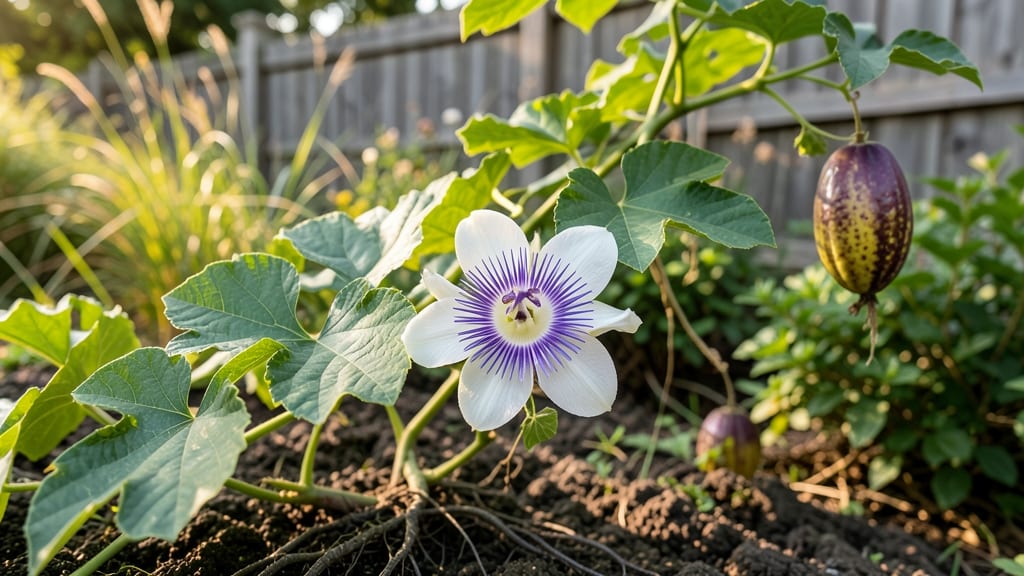
The passion fruit flower doesn’t just look exotic—it smells like vanilla and honey, drawing in hummingbirds and bees like nothing else. 🌸 I’ve grown these fragrant bloomers for years, and the secret to their success isn’t complicated: it’s all about sunlight, soil, and a little patience.
The first time I saw a passionflower vine heavy with blooms, I knew I’d never go back to store-bought flowers again.
Start with a sunny spot—at least 6 hours of direct light daily—and well-draining soil. Passiflora hates soggy roots, so amend heavy soil with compost or plant in raised beds.
Water deeply once a week (more in summer), and watch for those 3-inch-wide, intricate blooms that appear in late spring. The key? Pruning in early spring to encourage bushier growth and more flowers.
By mid-summer, you’ll have clusters of fragrant white and purple blooms that last just a day but attract pollinators all season. The fruit that follows—passion fruit—is a bonus, though it’s not always reliable in cooler climates. Even if you don’t get fruit, the scent alone makes it worth growing.
For colder zones, treat passiflora as an annual or overwinter potted plants indoors. Mulch heavily in fall to protect roots, and don’t prune until spring. With the right care, your vine will reward you with years of fragrant blooms and a garden that hummingbirds can’t resist.
📚 In This Guide
- What you need
- Instructions
- Tips and common mistakes
- Wrapping up and next steps
What you need
- ● Passiflora seeds or cuttings: Seeds: 5–10 (for multiple plants or higher success rates). Cuttings: 3–5 healthy, 4–6 inch long stems (with at least 2–3 nodes).
- ● Well-draining potting mix: 1–2 bags (5–10 quarts each). Mix with perlite or coconut coir (1:1 ratio) for aeration.
- ● Containers or garden bed: Containers: 5–7 inch pots (1 per cutting/seedling) with drainage holes. Garden bed: Full sun (6+ hours/day) with rich, slightly acidic soil (pH 6.0–7.0).
- ○ Rooting hormone (optional but recommended): 1 small bottle (for cuttings).
- ● Mulch: 1–2 bags (straw or shredded bark) to retain moisture.
- ● Hand trowel or small shovel (for transplanting).
- ● Pruning shears (sterilized with rubbing alcohol).
- ● Spray bottle (for misting seedlings).
- ○ Gloves (optional, to protect from thorns).
- ● Sunlight access: South-facing window or grow lights (12–16 hours/day for seedlings).
- ● Watering can or hose with gentle nozzle (avoid overwatering!).
- ● Slow-release fertilizer (e.g., 10-10-10 or fish emulsion) for faster growth.
- ● Trellis or stakes (4–6 feet tall) to support vining varieties.
- ● Pollinator-friendly companions: bee balm, lavender, or marigolds (plant nearby!).
- ● Humidity dome or plastic wrap (for seedling protection in dry climates).
How to grow passio fruit flower for pollinator-friendly blooms
Here’s my approach to cultivating these fragrant, pollinator magnets—proven to thrive in the right conditions.
🌱 Step 1: Select the Right Variety and Planting Location
Passio fruit flowers (Passiflora species) thrive in full sun to partial shade with at least 6 hours of direct sunlight daily. Choose a location that receives morning sun and afternoon shade in hotter climates to prevent leaf scorch. I recommend Passiflora incarnata (maypop) for native pollinator support or Passiflora caerulea (blue passionflower) for hardier blooms in cooler regions.
These vines need sturdy support—install a 6-8 foot trellis, fence, or arbor before planting. The flowers’ unique structure requires space to develop fully, and the vines can spread 8-10 feet annually if unchecked. I always plant mine near a fence or pergola to contain their growth while providing vertical interest.
☀️ Step 2: Prepare Soil and Plant at the Right Time
Passio fruit flowers prefer well-draining, slightly acidic soil with a pH between 6.0 and 7.0. Amend heavy clay soil with 2-3 inches of compost and a handful of perlite to improve aeration. I avoid garden soil from my yard—it’s too dense—and instead mix 50% potting mix with 50% compost for ideal conditions.
Plant in early spring after the last frost date when soil temperatures reach at least 60°F. Dig a hole twice as wide as the root ball but no deeper to prevent root rot. Gently remove the plant from its container, loosen the roots if they’re circling, and place it in the hole. Backfill with soil, firming it lightly around the base to eliminate air pockets.
💧 Step 3: Water Deeply and Establish a Consistent Routine
Water deeply once a week during the first growing season to encourage strong root development. The key is soaking the root zone until water drains 6-8 inches deep—you’ll know it’s enough when the soil feels damp but not soggy. I use a soaker hose to avoid wetting the foliage, which reduces fungal risks like powdery mildew.
Once established, Passio fruit flowers are drought-tolerant but produce more blooms with consistent moisture. Mulch around the base with 2-3 inches of organic mulch (like shredded bark) to retain soil moisture and suppress weeds. Watch for wilting leaves in afternoon heat—this is your signal to water if the top 1-2 inches of soil feel dry.
✂️ Step 4: Prune for Health and Encourage More Blooms
Prune in late winter or early spring before new growth begins. Remove dead, diseased, or crossing branches first to improve airflow. Then, cut back one-third of the oldest wood to stimulate new growth and more flowers. I always prune just above a leaf node or bud to encourage branching.
During the growing season, deadhead spent blooms by snipping the stem just below the flower. This redirects the plant’s energy toward producing new flowers rather than seed pods. I also trim any leggy growth that stretches beyond the trellis—this keeps the plant compact and encourages bushier growth with more blooms.
🪴 Step 5: Fertilize and Protect for Long-Term Success
Feed with a balanced, slow-release fertilizer (like 10-10-10) in early spring when new growth appears. I avoid high-nitrogen fertilizers—they promote leafy growth at the expense of flowers. Instead, I use a low-nitrogen, high-phosphorus fertilizer (like 5-10-10) to encourage blooming. Apply according to package instructions, usually every 6-8 weeks during the growing season.
Protect young plants from strong winds and late frosts, which can damage tender new growth. If your region experiences hard frosts below 20°F, mulch heavily around the base and cover with burlap or frost cloth for winter protection. In warmer climates, Passio fruit flowers can be evergreen, but they’ll still benefit from a light pruning in late winter to shape the plant.
Tips & tricks for growing fragrant passionflower blooms
Here’s what I’ve learned after years of cultivating these stunning pollinator magnets—simple adjustments that make all the difference.
Sunlight Strategy: While the instructions mention 6 hours of direct sunlight daily, I’ve found that morning sun with afternoon shade is even more critical in hot climates. If your area gets intense afternoon sun, consider planting near a north-facing wall or using shade cloth during peak heat hours. The goal is to prevent leaf scorch while still providing enough light for those signature blooms.
Soil pH Precision: Testing your soil’s pH before planting can save you from struggling with poor growth. Aim for that 6.0-7.0 range—if your soil tests higher, mix in sulfur or peat moss to lower it. I’ve seen passionflowers wither when planted in alkaline soil (pH 7.5+), even with perfect watering. A simple soil test kit from your local garden center makes this easy to check.
Watering Wisdom: The 6-8 inch deep watering recommendation is spot-on, but timing matters too. Water in the early morning to give foliage time to dry before evening, which dramatically reduces fungal risks like powdery mildew. I’ve noticed my plants stay healthier when I water before 9 AM rather than in the heat of the day.
Pruning Payoff: When pruning those one-third of oldest wood in late winter, focus on removing branches that are thinner than a pencil. These older stems produce fewer flowers and can harbor diseases. I also make sure to sterilize my pruning shears with rubbing alcohol between cuts—this prevents spreading any potential pathogens to healthy growth.
Pro Tips for Passio Fruit Flower
- Here’s what I’ve learned after years of cultivating these stunning pollinator magnets—simple adjustments that make all the difference.
- Sunlight Strategy: While the instructions mention 6 hours of direct sunlight daily, I’ve found that morning sun with afternoon shade is even more critical in hot climates.
- Soil pH Precision: Testing your soil’s pH before planting can save you from struggling with poor growth.
Frequently asked questions
Got questions about growing or caring for passio fruit flowers? You’re not alone! Here are some of the most common queries—plus quick, practical answers to keep your blooms thriving and pollinators buzzing.
How long does it take for passio fruit flowers to bloom after planting?
Passionflower vines (the plant behind those fragrant blooms!) typically take 6–12 months to produce flowers, depending on growing conditions. Fast-growing varieties like Passiflora edulis may bloom sooner in warm climates with full sun and consistent moisture. Patience pays off—those first flowers are worth the wait!
Why aren’t my passio fruit flowers attracting bees or hummingbirds?
If pollinators seem uninterested, check these fixes:
- Timing: Passionflowers bloom in morning—bees are most active then!
- Location: Plant near sunny, sheltered spots (hummingbirds avoid wind).
- Nectar: Ensure healthy vines (stress = less nectar).
- Alternatives: Pair with bee-friendly flowers like lavender or sunflowers.
Pro tip: Hand-pollinate with a soft brush if needed—gently transfer pollen between flowers!
Can passio fruit flowers survive cold winters? What’s the best way to protect them?
Most passionflowers are tender perennials (zones 8–11) and die back in frost. To overwinter:
- Cut vines to 6 inches before first frost.
- Mulch heavily with straw or leaves (3–4 inches).
- For potted plants, move to a cool, bright indoor spot (like a garage).
- In colder zones, grow as annuals or dig up tubers in fall.
With these steps, your vines will bounce back spring-ready!
Are there non-flowering passionfruit varieties that still look beautiful?
While Passiflora edulis (passionfruit) is prized for its blooms and fruit, varieties like Passiflora caerulea (blue passionflower) or Passiflora incarnata (maypop) offer stunning flowers with minimal care. They’re also native-friendly and drought-tolerant—perfect for pollinator gardens!
What should I do if my passio fruit flowers develop brown spots or wilt?
Brown spots or wilting often signal fungal issues (like powdery mildew) or overwatering. Try this:
- Prune affected leaves and dispose of them (don’t compost!).
- Spray with neem oil or a baking soda solution (1 tsp per quart of water).
- Ensure 6+ hours of sunlight and well-draining soil.
- Avoid wetting foliage when watering (target the base of the vine).
If the problem persists, your vine might need re-potting or a soil refresh.
Wrapping up and next steps
Discovering the passio fruit flower isn’t just about adding beauty to your garden—it’s about fostering a thriving ecosystem that supports pollinators like bees, butterflies, and hummingbirds. 🌸 These fragrant blooms are a natural magnet for wildlife, making your outdoor space both vibrant and eco-friendly.
Whether you’re a seasoned gardener or just starting, planting passio fruit flowers is a simple yet impactful way to contribute to local biodiversity.
Ready to take the next step? Start small—grow a few passio fruit plants in pots or your garden bed, and watch as your space transforms into a pollinator paradise. Share your progress with fellow gardeners or local conservation groups to inspire others to join the movement! 🌿