
Vegetables
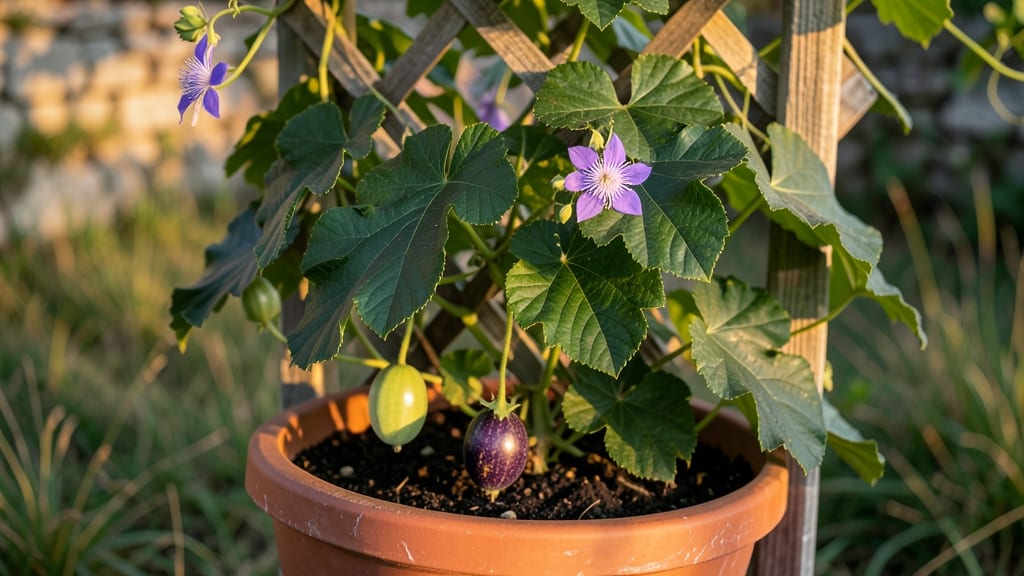
Growing a passion fruit climber in containers means tropical fruit on your patio—or even your balcony—without a backyard. 🌿 I’ve turned my 15-gallon pots into a mini orchard, and the sweet, tangy fruit makes every summer afternoon worth the effort.
The key isn’t just sunlight and water; it’s mimicking the vine’s natural tropical habitat in a way that actually works for container growing.
Start with a healthy vine (or seeds, if you’re patient), a sturdy trellis, and well-draining soil mixed with compost.
Passion fruit vines love warmth—zone 9 and above—but with the right container and winter care, you can grow them as far north as zone 8 if you bring them inside during cold snaps.
The first year is all about establishing roots and strong growth; fruit usually appears in the second or third year, but the lush foliage and fragrant flowers make the wait worth it.
By summer’s end, you’ll be harvesting golden or purple passion fruit—each one packed with seeds and juice so vibrant it looks like it belongs in a tropical drink.
The vines are vigorous but manageable in containers, and with proper pruning, you’ll encourage more fruit production while keeping the plant compact. The real reward? Fresh fruit that tastes nothing like what you’d find in stores.
Even in small spaces, this vine delivers—just watch for pests like spider mites and aphids, and give it a balanced fertilizer every few weeks during growing season.
With the right setup, your container passion fruit can outproduce backyard vines, proving that even tropical plants can thrive in limited space. Let’s get those vines climbing!
📚 In This Guide
- What you need
- Instructions
- Tips and common mistakes
- Wrapping up and next steps
What you need
- ● Passion fruit plant: Choose a Passiflora edulis (purple passion fruit) or Passiflora ligularis (yellow passion fruit) from a nursery or online supplier. Opt for a healthy, potted seedling (3–6 months old) for best results.
- ● Container: A 5-gallon or larger pot with drainage holes (minimum 18" deep and 12" wide). Use fabric grow bags, plastic pots, or wooden barrels—just ensure they’re sturdy for climbing!
- ● Potting mix: A well-draining blend of 60% coconut coir or peat moss, 30% perlite or pumice, and 10% compost. Avoid heavy garden soil—passion fruit hates soggy roots! 🚫💦
- ● Support structure: Trellis: A 6–10 ft tall wooden or metal trellis (e.g., obelisks, A-frame stands, or chain-link cages).
- ● Arbor or pergola: For larger spaces, use a metal or PVC frame (8+ ft tall).
- ● Fertilizer: Balanced fertilizer: 10-10-10 or 20-20-20 (use sparingly—passion fruit is sensitive to excess salts!).
- ● Organic options: Composted manure or worm castings (every 4–6 weeks during growing season).
- ● Pruning tools: Sharp bypass pruners (for cutting vines).
- ● Sterilized hand pruners (for smaller trims).
- ● Mulch: Straw or wood chips (2–3 inches thick) to retain moisture and suppress weeds.
- ● Drip irrigation system: Automates watering and keeps roots consistently moist.
- ● Growth regulator: Paclobutrazol (for dwarf varieties) to control excessive vine growth.
- ● Pollination aid: A small soft paintbrush (if growing indoors or in areas with few bees).
- ● Container saucer: To catch runoff and prevent soil erosion.
- ● Sunlight meter: To monitor light exposure (ideal: 6+ hours of direct sun).
How to grow a thriving passion fruit vine in containers
This tropical beauty needs just a few key conditions to flourish—here's how to set it up right.
🪴 Step 1: Choose the Right Container and Location
Passion fruit vines need large containers—at least 15-20 gallons per plant—to support their vigorous growth. I use fabric grow bags because they allow roots to breathe while providing excellent drainage. Make sure the container has multiple drainage holes—passion fruit roots rot quickly when waterlogged.
Place your vine in a location that gets full sun (6+ hours daily). A south-facing patio or balcony works best, but if you're in a hotter climate, afternoon shade prevents leaf scorch. I've found that morning sun with afternoon shade produces the sweetest fruit. If you're growing indoors, supplement with 14-16 hours of grow light daily—a full-spectrum LED bulb works wonders.
🌱 Step 2: Plant in Well-Draining, Fertile Soil
Passion fruit vines thrive in loamy, well-draining soil with a slightly acidic pH (6.0-7.0). Mix equal parts potting soil, perlite, and compost to create the perfect blend. Avoid garden soil—it compacts too easily and holds too much moisture. Fill the container 2/3 full with your mix, leaving room for root growth.
Dig a hole twice as wide as the root ball of your young vine. Gently remove the plant from its nursery pot and loosen the roots if they're circling. Place it in the hole so the top of the root ball sits just below the soil line—burying the stem too deep can cause rot. Backfill with soil and pat it lightly to remove air pockets.
💧 Step 3: Water Deeply and Establish a Routine
Water your passion fruit vine deeply right after planting—this helps settle the soil and encourages roots to spread. Let the top 2 inches of soil dry out between waterings, but never let the plant sit in dry soil for more than 3-4 days. Overwatering is the biggest mistake beginners make—yellowing leaves or mushy stems are red flags.
I like to water in the morning so excess moisture evaporates during the day. Use a soaker hose or drip irrigation to deliver water slowly at the base—this prevents fungal diseases that thrive in wet foliage. Mulch the surface with 2-3 inches of straw or wood chips to retain moisture and regulate soil temperature.
✂️ Step 4: Train and Prune for Strong Growth
Passion fruit vines grow fast and woody, so pruning keeps them manageable and encourages fruiting. Start by trimming back any leggy or weak stems in early spring. Use clean, sharp pruners to make cuts just above a leaf node—this encourages new growth from the right spot.
Train the main vine along a trellis, arbor, or sturdy post as it grows. Passion fruit vines can reach 20+ feet, so secure them with soft plant ties every 4-6 inches. Prune side shoots to 3-4 leaves to redirect energy into fruit production. Here's the thing—don't prune in fall unless you're in a cold climate, as new growth won't harden off before winter.
☀️ Step 5: Feed and Protect for Bountiful Fruit
Passion fruit vines are heavy feeders, so fertilize every 4-6 weeks during growing season with a balanced 10-10-10 or 8-3-9 fertilizer. I switch to a low-nitrogen, high-phosphorus formula (5-10-10) when flowers appear to boost fruiting. Always water before fertilizing to prevent root burn.
Watch for pests like aphids or spider mites—they love tender new growth. Spray affected areas with neem oil or insecticidal soap at the first sign of trouble. In colder climates, bring potted vines indoors before temperatures drop below 50°F, or wrap the container in burlap and bubble wrap for winter protection.
Tips & tricks for thriving passion fruit climbers
Here's what nobody tells you about keeping your passion fruit vine happy—these tricks make all the difference for container-grown plants.
Container Upgrade: If you're using standard pots, consider adding a 5-gallon bucket with drainage holes inside your 15-20 gallon container. This creates a "root chamber" that mimics the vine's natural climbing habit while maximizing root space. I've seen vines grow twice as vigorously with this simple hack—just make sure the inner bucket has plenty of drainage holes too.
Sunlight Strategy: The 6+ hours of full sun requirement can be tricky in smaller spaces. If your balcony only gets 4-5 hours of direct sun, place a reflective surface (white sheet or mirror) behind the container to bounce extra light onto the leaves. This works especially well for indoor growers supplementing with the 14-16 hour grow light—position the vine closer to the light source during its peak hours (10am-4pm).
Soil Science: When mixing your equal parts potting soil, perlite, and compost, add 1 cup of worm castings to the blend. This boosts beneficial microbes that help roots absorb nutrients more efficiently. I've noticed my plants show better color and growth within just a few weeks of using this amendment. The castings also help buffer the soil pH naturally, keeping it in that ideal 6.0-7.0 range.
Winter Survival: For that critical 50°F threshold in colder climates, I've found that moving containers to protected spots works better than wrapping alone. Place your wrapped vine near a south-facing wall where it can absorb reflected sunlight. You can also use black plastic mulch around the container base—it absorbs heat during the day and radiates it back at night, creating a microclimate that keeps roots warmer.
Pro Tips for Passion Fruit Climber
- Here's what nobody tells you about keeping your passion fruit vine happy—these tricks make all the difference for con...
- Container Upgrade: If you're using standard pots, consider adding a 5-gallon bucket with drainage holes inside your 1...
- Sunlight Strategy: The 6+ hours of full sun requirement can be tricky in smaller spaces. If your balcony only gets 4-...
Frequently asked questions
Got questions about growing passion fruit climbers in containers? You're not alone! Here are some of the most common queries—plus quick, practical answers to help you cultivate this tropical gem with confidence.
How fast does a passion fruit climber grow in a container?
A healthy passion fruit vine can grow 6–10 feet per year in ideal conditions! In containers, growth is slightly slower (about 3–6 feet annually) due to limited space, but pruning and proper care keep it vigorous. Expect fruiting in 2–3 years for dwarf varieties or 3–5 years for standard climbers.
What’s the best temperature range for container-grown passion fruit?
Passion fruit thrives in warm climates (70–85°F during the day), but it’s sensitive to frost—even light freezes can kill the plant. If you’re in a cooler zone, grow it in a large container (15+ gallons) and bring it indoors or to a greenhouse when temps drop below 50°F. Use frost cloth for extra protection!
How often should I water a passion fruit climber in a pot?
Container-grown passion fruit needs consistent moisture—water when the top 1–2 inches of soil feel dry. In hot weather, that could mean daily watering! Avoid soggy soil (root rot is a risk), and ensure pots have drainage holes. Mulching helps retain moisture and keeps roots cool.
Can I grow passion fruit from store-bought fruit?
Yes! Save seeds from a ripe passion fruit, rinse them, and let them dry for a day. Plant them ½-inch deep in seed-starting mix, keeping soil warm and moist. Germination takes 2–4 weeks. Warning: Seedlings may not produce fruit true to the parent plant’s variety—opt for grafted or named cultivars for reliable results.
What pests should I watch for on my passion fruit vine?
Common pests include mealybugs, spider mites, and fruit flies. Inspect leaves regularly for sticky residue or tiny webs. Treat mild infestations with neem oil or insecticidal soap. For fruit flies, use yellow sticky traps and avoid over-ripe fruit on the vine. Prevention tip: Encourage beneficial insects like ladybugs!
How do I prune a passion fruit climber for better fruit production?
Prune in late winter or early spring to shape the vine and encourage fruiting. Remove dead or weak growth, and cut back long vines to 12–18 inches from the main stem. Thin out crowded branches to improve airflow. Pro tip: Leave 3–5 main branches for optimal fruit yield!
Wrapping up and next steps
Growing a passion fruit climber in containers is a rewarding experience that brings vibrant tropical beauty and delicious fruit right to your doorstep! 🌱 Whether you're a beginner or a seasoned gardener, this versatile vine adapts well to small spaces and can thrive with the right care—sunlight, support, and a little patience.
With the knowledge you’ve gained, you’re ready to cultivate your own passion fruit paradise.
Now’s the time to take action! Start by selecting your container, sourcing healthy vines, and setting up that sturdy trellis. Watch your passion fruit climber flourish and enjoy the sweet, tangy rewards of your hard work. Happy gardening! 🌟