
Flowers
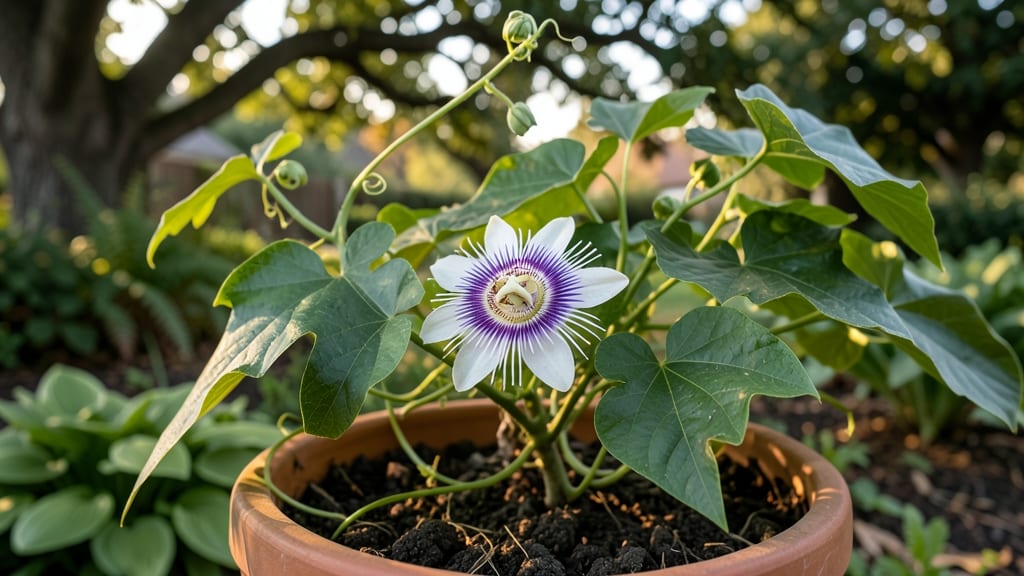
The passion fruit flower’s intoxicating fragrance is the first clue your vine is thriving—and the key to a bountiful harvest. 🌸 I’ve watched these exotic blooms transform my backyard into a hummingbird magnet, their intricate petals unfolding like nature’s own perfume bottles.
The secret lies in understanding their needs: the right sunlight, water balance, and a little help from pollinators (or your own hands) to turn those flowers into sweet, tangy fruit.
These vines aren’t fussy, but they do demand 6+ hours of direct sun daily and well-draining soil—think sandy loam mixed with compost. Overwatering is the silent killer, so let the top inch dry between waterings, especially in containers.
The real magic happens when you encourage pollination: either wait for bees and hummingbirds or gently shake the vines on calm mornings to release pollen.
By mid-summer, you’ll see those vibrant orange fruits forming where flowers once bloomed. Prune strategically after harvest to keep vines manageable, and watch as next year’s flowers appear even more prolifically. The scent alone makes it worth the effort—imagine waking to your garden smelling like tropical sunshine.
Whether you’re in a warm climate or a cooler zone with winter protection, passion fruit vines reward patience. Start with one plant, master the basics, and soon you’ll be sharing jars of homemade passion fruit curd with neighbors who’ve never seen a vine produce such exotic blooms.
📚 In This Guide
- What you need
- Instructions
- Tips and common mistakes
- Wrapping up and next steps
What you need
- ● Passion fruit seeds or cuttings: 1-2 passion fruit seeds (from organic fruit) OR
- ● 1 healthy passion fruit cutting (4–6 inches long, with 2–3 nodes)
- ● Well-draining potting mix: 5–10 gallons (for containers) OR enriched garden soil (pH 6.0–7.5)
- ○ Optional: Perlite or vermiculite (1 part per 4 parts soil) for aeration
- ● Containers (if not planting in ground): 1–2 large pots (12–18 inches in diameter) with drainage holes
- ● Basic gardening tools: 1 small trowel or pruning shears
- ● 1 pair of gardening gloves
- ● 1 watering can or hose with a gentle spray nozzle
- ● Slow-release balanced fertilizer (5-10-5 or 10-10-10 NPK ratio)
- ● Mulch (straw or wood chips) to retain moisture
- ● Trellis or sturdy stakes (for climbing support)
- ● Organic compost or worm castings (for nutrient boost)
- ● Humidity dome or plastic wrap (for seedling protection)
Step-by-step guide to growing fragrant passion fruit flowers
Here's how to coax those exotic, fragrant blooms from your passion fruit vine—naturally and reliably.
🌱 Step 1: Select and Prepare the Right Vine
Choose a healthy, mature passion fruit vine with strong, woody stems—look for 1-2 year-old growth that’s already produced fruit before. I always opt for passiflora edulis (purple passion fruit) for its reliable blooms and fragrance. Prune any weak or diseased stems back to healthy growth using clean, sharp pruners to prevent infection.
Passion fruit vines thrive in USDA zones 8-11, but you can grow them in containers in cooler climates. If starting from seed, expect 1-2 years before your vine flowers—patience is key here. For faster results, purchase a 1-gallon container-grown plant from a nursery, as these often bloom within 6-12 months.
☀️ Step 2: Position for Maximum Sun and Airflow
Passion fruit flowers adore full sun—place your vine in a spot where it gets at least 6-8 hours of direct sunlight daily. A south- or west-facing wall or trellis works best. If growing in containers, move them outside during the day and bring them indoors at night if temperatures drop below 50°F.
Good airflow is just as crucial as sunlight—crowded vines develop fungal issues like powdery mildew, which can kill blooms before they open. Space vines 6-10 feet apart if planting in the ground, or use a strong trellis to train vines upward. I’ve found that bamboo trellises work well because they’re sturdy and allow air to circulate freely.
💧 Step 3: Water and Fertilize for Optimal Blooming
Water deeply 2-3 times per week, ensuring the top 6 inches of soil stay consistently moist but not soggy. Passion fruit vines hate "wet feet," so always use pots with drainage holes if container-growing. I water in the early morning to allow foliage to dry before evening, reducing the risk of fungal diseases.
Feed your vine with a balanced, organic fertilizer (like 5-5-5) every 4-6 weeks during the growing season. Switch to a low-nitrogen, high-phosphorus fertilizer (like 2-10-10) when you notice new growth—this encourages flowering. Stop fertilizing in late summer to allow the plant to focus on setting fruit rather than producing more blooms.
🐝 Step 4: Encourage Pollinators and Protect Blooms
Passion fruit flowers are self-pollinating, but they produce far more fruit when pollinators like bees and hummingbirds visit. To attract them, plant native pollinator-friendly flowers like salvia, lantana, or bee balm nearby. Avoid using pesticides—even organic ones—during bloom time, as they can harm pollinators.
If you’re in an area with few pollinators (like urban settings), hand-pollinate by gently transferring pollen from one flower to another using a soft paintbrush. Do this in the morning when flowers are fully open. Watch for hummingbirds—they’re the most effective pollinators and will visit reliably if you provide a small water source nearby.
✂️ Step 5: Prune and Maintain for Continuous Blooms
Prune your vine 2-3 times per year to encourage new growth and more blooms. In early spring, cut back one-third of the oldest wood to stimulate fresh, flowering shoots. Throughout the growing season, trim any dead, diseased, or crossing branches to improve airflow and sunlight penetration.
After the first harvest, give your vine a light pruning to remove spent fruit and encourage a second flush of blooms. Passion fruit vines can produce two harvests per year in warm climates if cared for properly. Mulch around the base with 2-3 inches of organic mulch (like wood chips) to retain moisture and regulate soil temperature—this keeps roots happy and blooms coming.
Tips & tricks for growing fragrant passion fruit flowers
Here's what nobody tells you about coaxing those intoxicating blooms from your passion fruit vine—lessons I learned after watching three vines fail before finally getting it right.
Sunlight Strategy: Those 6-8 hours of direct sunlight are non-negotiable, but here's the secret: position your vine where it gets morning sun and afternoon shade in hot climates (above 85°F). I've seen vines in full afternoon sun develop sunburned leaves that drop blooms prematurely. A sheer curtain on the west side can save your flowers during peak heat.
Pruning Precision: When you cut back one-third of the oldest wood in early spring, focus on removing stems that are thicker than a pencil—these are energy vampires that drain resources from new growth. I mark the cuts with white tape before pruning to visualize the one-third rule clearly. Also, always cut at a 45-degree angle just above a leaf node to encourage faster healing.
Pollinator Partnership: Planting native pollinator-friendly flowers nearby isn't just about attracting bees—it's about creating a micro-ecosystem. I've had the most success with salvia and bee balm because they bloom at different times, providing continuous nectar. Place them within 10 feet of your vine so pollinators don't have to travel far between food sources. The more they visit, the more vigorous your blooms become.
Fertilizer Timing: The switch from balanced 5-5-5 to low-nitrogen 2-10-10 fertilizer is crucial, but here's what I've learned: make that switch when you see new growth with visible leaf buds, not just random shoots. This ensures your vine focuses on flowering rather than foliage. And stop fertilizing by mid-August—I've had vines that kept producing leaves but no blooms because they were still getting nutrients too late in the season.
Pro Tips for Passion Fruit Flower
- Here's what nobody tells you about coaxing those intoxicating blooms from your passion fruit vine—lessons I learned after watching three vines fail before finally getting it right.
- Sunlight Strategy: Those 6-8 hours of direct sunlight are non-negotiable, but here's the secret: position your vine where it gets morning sun and afternoon shade in hot climates (above 85°F).
- Pruning Precision: When you cut back one-third of the oldest wood in early spring, focus on removing stems that are thicker than a pencil—these are energy vampires that drain resources from new growth.
Frequently asked questions
Got questions about growing passion fruit flowers? You’re not alone! Here are some of the most common queries—plus quick, practical answers to help you nurture these fragrant blooms with confidence.
How long does it take for passion fruit flowers to bloom?
Passion fruit vines typically take 6–12 months to produce flowers after planting, depending on climate and care. In warm regions, you might see blooms as early as 4–5 months, while cooler areas may take longer. Patience is key—healthy vines reward you with stunning, fragrant flowers (and eventually fruit!).
Why aren’t my passion fruit flowers pollinating?
Passion fruit flowers rely on hummingbirds, bees, or butterflies for pollination. If blooms aren’t setting fruit, check for:
- Lack of pollinators: Plant near native flowers to attract them.
- Wind or rain damage: Protect vines during storms.
- Poor timing: Flowers open for just 24–48 hours—hand-pollinate with a soft brush if needed.
Can passion fruit flowers survive frost?
Nope! Passion fruit vines are tropical/subtropical and cannot tolerate frost. Even light freezes (<32°F/0°C) can kill the plant. If you live in a cold climate, grow them in containers and bring them indoors during winter or plant in a microclimate (like near a sunny wall).
What can I do with passion fruit flowers besides pollination?
These edible and aromatic blooms are versatile! Try:
- Garnishes: Float on drinks (like cocktails or lemonade) for a tropical touch.
- Tea infusions: Steep dried petals for a floral, citrusy tea.
- Natural dyes: Simmer petals for soft yellow or pink hues for fabric or crafts.
- Skincare: Some cultures use them in DIY facial masks for brightness.
What’s a good alternative if passion fruit flowers don’t thrive in my area?
If your climate is too harsh, consider these pollinator-friendly alternatives with similar beauty and benefits:
- Hibiscus (hardy, tropical vibes, edible flowers).
- Bougainvillea (drought-tolerant, vibrant blooms).
- Jasmine (fragrant, attracts pollinators, great for containers).
- Marigolds (easy, pest-repellent, and pollinator magnets).
Wrapping up and next steps
Growing passion fruit flowers isn’t just about cultivating a beautiful vine—it’s about nurturing a thriving ecosystem that delights pollinators like bees and hummingbirds. 🌸 From selecting the right soil to mastering pruning techniques, every step plays a role in unlocking those fragrant, star-shaped blooms.
Whether you’re a seasoned gardener or a curious beginner, the key is patience and observation.
Now that you’re armed with the know-how, why not take the next step? Plant your first passion fruit vine today—your garden (and local pollinators) will thank you! 🌱 For extra inspiration, explore companion plants or creative ways to train the vine vertically. Happy growing!