
Picking
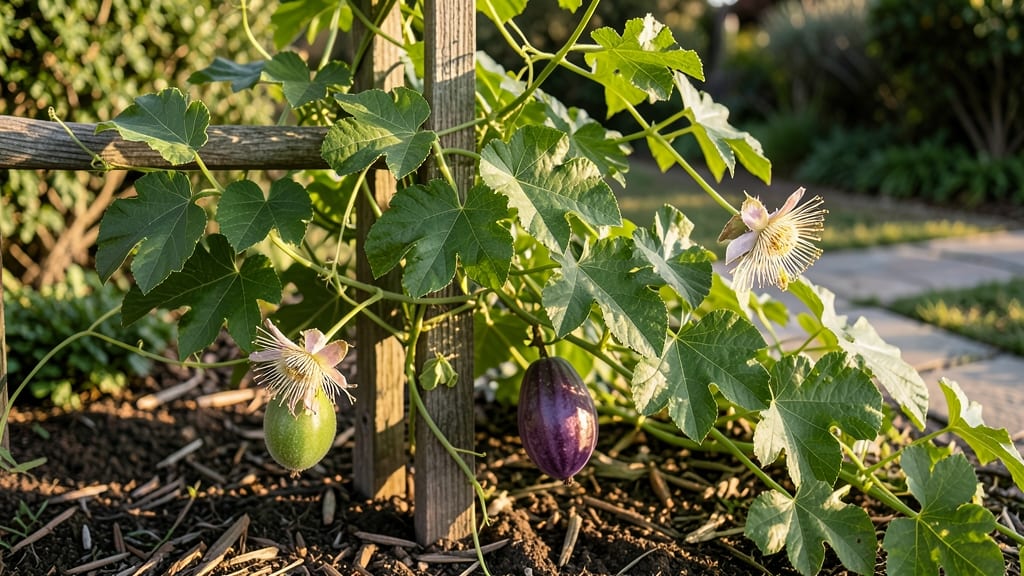
Passion fruit ripening stages reveal themselves in shocking color shifts and texture changes that turn green husks into golden treasure. 🌟 I learned the hard way—waiting for the perfect moment means no more bitter surprises or wasted fruit.
The transition from hard to soft, from dull green to vibrant yellow-orange, happens faster than you think when conditions are right.
Start watching for the first signs: a slight softening at the base and a shift from deep green to pale yellow-green, usually 3-4 weeks after flowering.
The real magic happens when the fruit turns bright yellow-orange—that’s your cue to harvest within 24 hours, or the pulp starts breaking down.
Size matters too: ripe passion fruit should feel heavy for their size, with a slightly wrinkled skin that gives just a tiny bit when gently squeezed.
You’ll know you’ve nailed it when the fruit releases a sweet, tropical aroma at the stem end—like a burst of summer in your hand. The pulp inside should be thick, jelly-like, and packed with those signature black seeds.
Harvest too early, and you’ll get bland, watery fruit; too late, and it turns mushy or attracts pests. Timing is everything for that perfect burst of flavor.
Uneven ripening? Check your vine’s sunlight—passion fruit needs 6+ hours of direct sun daily—and water only when the top inch of soil is dry. If fruits drop prematurely, it’s usually a temperature issue (below 50°F or above 90°F stresses them).
Store ripe fruit in the fridge for up to 5 days, or use it immediately for juices, desserts, or fresh eating—no more guessing when to pick!
How Nature Times Ripening
Passion fruit doesn’t ripen on a strict schedule—it’s a delicate dance between biology, environment, and even the plant’s own signals. Understanding why ripening unfolds the way it does helps you predict (and even influence) those perfect stages. Here’s the science behind the process:
Passion fruit ripening is primarily triggered by ethylene, a gaseous plant hormone that acts like a biological timer. Here’s how it works:
- Ethylene Production: As the fruit matures, its cells begin producing ethylene in higher concentrations. This hormone accelerates the breakdown of pectins (the compounds that hold cell walls together), softening the fruit and deepening its color.
- Climacteric vs. Non-Climacteric: Passion fruit is a climacteric fruit, meaning it ripens best after being harvested. Unlike non-climacteric fruits (e.g., citrus), it won’t sweeten on the vine indefinitely—it needs that ethylene kick to reach peak flavor.
- Temperature Sensitivity: Ethylene works best at room temperature (68–77°F / 20–25°C). Below 50°F (10°C), ethylene production slows dramatically, stalling ripening. That’s why passion fruit harvested in cool climates may need extra time (or warmth) to ripen properly.
Pro Tip: 🌡️ If your passion fruit isn’t ripening, try placing it in a paper bag with a banana or apple (both ethylene producers) for 2–3 days. The extra gas will speed up the process!
Sunlight and warmth aren’t just nice-to-haves—they’re essential for ripening. Here’s why:
- Chlorophyll Breakdown: Passion fruit starts green because of chlorophyll, the pigment that captures sunlight for photosynthesis. As ethylene kicks in, chlorophyll degrades, revealing carotenoids (orange/yellow) and anthocyanins (purple/red) beneath—giving the classic ripening color shift.
- Heat’s Role: Temperatures above 75°F (24°C) accelerate ethylene production and sugar development. Below 60°F (15°C), ripening grinds to a halt. That’s why tropical passion fruit ripens faster in summer than in fall.
- Day Length Matters: Shorter daylight hours (like in winter) can slow ripening because plants prioritize survival over fruit maturation. If you’re growing passion fruit in cooler climates, supplemental grow lights can help maintain the process.
Watch Out: ⚠️ Too much heat (above 90°F / 32°C) can cause sunscald—white or brown patches on the skin—while also stressing the plant, leading to uneven ripening.
Even the most perfect passion fruit won’t ripen well if the plant is stressed or malnourished. Here’s how water and nutrients play a role:
- Water Stress: Too little water = small, hard fruit that never softens properly. Too much? Overly watery, seedy pulp with poor flavor. The sweet spot is consistent moisture—about 1–1.5 inches of water per week (more in extreme heat).
- Potassium and Calcium: These minerals are critical for cell wall integrity and sugar development. A deficiency can lead to:
- Blossom-end rot (black, mushy spots on the bottom).
- Poor color development (fruit stays pale or striped).
- Nitrogen Timing: Too much nitrogen early on = leafy growth, few fruits. Too little later = stunted ripening. Balance is key—reduce nitrogen fertilizers as fruits set to encourage ripening.
Grower Hack: 💡 Use a balanced fertilizer (10-10-10 or 5-10-10) when flowers appear, then switch to a low-nitrogen, high-potassium (0-10-20) blend as fruits develop.
You can’t skip this one—passion fruit is self-pollinating, but it needs help. Here’s how it affects ripening:
- Bees and Hummingbirds: These pollinators transfer pollen from male flowers (which open in the morning) to female flowers (which open in the afternoon). Without pollination, the fruit won’t form at all.
- Hand Pollination Backup: If pollinators are scarce, use a soft paintbrush to transfer pollen from male to female flowers. Do this early morning for best results.
- Fruit Drop Risk: Poor pollination leads to small, misshapen fruits that may drop prematurely. Even if they stay on the vine, they’ll never ripen properly because ethylene production is tied to full fruit development.
Quick Fix: 🐝 If your vines have flowers but no fruit, check for pests (e.g., aphids) that may be deterring pollinators. A neem oil spray can help protect flowers without harming bees.
By mastering these natural triggers, you’ll not only spot the perfect ripening stages but also troubleshoot delays before they happen. Next up: how to harvest at peak ripeness without missing the window!
Fixing Ripening Issues Quickly
When your passion fruit isn’t ripening as expected—or worse, spoils before reaching peak flavor—don’t panic! Most problems have simple, actionable fixes. Below, we’ll tackle the most common causes of ripening mishaps and show you how to turn things around, plus how to prevent future headaches.
If your passion fruit is too green (underripe) or too soft/mushy (overripe), timing and handling are key.
🔥 Fix for Underripe Passion Fruit
Cause: Picked too early (hard, green exterior). Solution:
- 🍎 Place in a paper bag with a ripe banana or apple. The ethylene gas from these fruits speeds up ripening.
- 🌡️ Store at room temperature (68–77°F) away from direct sunlight.
Refrigeration slows ripening—only do this if you’re not ready to eat it yet. - ⏰ Check daily—it should soften and turn yellow/orange in 3–7 days.
Prevention Tip: ✨ Pick when ¾ yellow (not fully green). Gently squeeze—it should yield slightly but not feel mushy.
🍳 Fix for Overripe or Spoiled Fruit
Cause: Left on the vine too long (soft, wrinkled skin, fermented smell). Solution:
- 🔪 Use immediately—blend into smoothies, make jam, or ferment into passion fruit wine.
- 🧊 Freeze for later if you can’t use it now (peel, seed, and freeze pulp in ice cube trays).
- 🚫 Discard if moldy—don’t risk eating spoiled fruit.
Prevention Tip: 💡 Harvest at peak ripeness (when the skin turns mostly yellow with slight wrinkling). Avoid leaving fruit hanging past this stage.
If some fruits ripen while others stay green, it’s often a nutrient or environmental issue.
🌡️ Fix for Temperature or Sunlight Problems
Cause: Inconsistent heat, shade, or cold drafts slowing ripening. Solution: - ☀️ Ensure full sun exposure (6+ hours daily).
Prune nearby branches if shading occurs. - 🌡️ Protect from frost—cover plants with frost cloth if temps drop below 32°F. - 💧 Water deeply but less frequently (overwatering causes uneven ripening). Aim for 1–1.5 inches per week.
Prevention Tip: ✨ Choose a sunny, sheltered spot when planting. Passion vines thrive in USDA zones 7–11 with warm, consistent weather.
🍄 Fix for Pest or Disease Damage
Cause: Bugs (like passion vine hoppers) or fungal issues (like powdery mildew) stress the plant. Solution: - 🐜 Spray neem oil or insecticidal soap for pests.
Repeat every 5–7 days until infestation clears. - 🌿 Prune infected leaves and apply copper fungicide for mildew. - 🌱 Boost plant health with balanced fertilizer (10-10-10) every 4–6 weeks.
Prevention Tip: 🎯 Inspect vines weekly for early signs of pests. Healthy plants resist damage better!
Need a fast reference? Here’s how to diagnose and fix ripening issues at a glance:
| Problem | Cause | Fix | Prevent |
|---|---|---|---|
| Too green (hard) | Picked too early | Paper bag + banana trick | Harvest when ¾ yellow |
| Too soft/mushy | Overripe | Use immediately or freeze | Pick at peak ripeness |
| Uneven ripening | Poor sunlight/nutrients | Prune shade, fertilize | Plant in full sun, shelter from cold |
| Pests/disease | Infestation or fungal growth | Neem oil, fungicide, prune | Weekly inspections, healthy soil |
Final Pro Tip: 🔥 Test one fruit first! If you’re unsure about ripeness, pick a sample, taste it, and adjust your harvesting schedule accordingly. Passion fruit ripens best when left on the vine just past its prime—don’t rush it!
Frequently asked questions about passion fruit ripening
Why does passion fruit turn yellow-orange when ripe?
This color change happens because chlorophyll (the green pigment) breaks down as the fruit matures, revealing carotenoids (yellow-orange pigments) beneath. The shift signals peak sweetness and flavor development, triggered by the hormone ethylene—just like in tomatoes or bananas.
How long does it take for passion fruit to ripen after flowering?
From flower to ripe fruit takes about 3-4 months, but the final color change happens in the last 2-3 weeks. Warmer temperatures (above 75°F) speed this up, while cooler weather slows ripening. Watch for the skin turning from green to pale yellow first.
Can I speed up ripening for passion fruit that's still green?
Yes! Place the fruit in a paper bag with a banana or apple (both produce ethylene) for 2-3 days at room temperature. Store it away from direct sunlight—this mimics the natural ripening process and helps soften the fruit faster without overripening.
What does overripe passion fruit look like?
Overripe fruit has wrinkled, leathery skin that's mostly yellow with brown spots, and it may smell slightly fermented. The pulp inside becomes watery and loses its vibrant color. If it's this far gone, use it immediately in recipes or freeze the pulp for later.
Why are some passion fruits on my vine staying green while others ripen?
This usually means uneven sunlight or nutrient imbalances. Check for shading from nearby plants or structures, and ensure your vine gets 6+ hours of direct sun daily. A balanced fertilizer (like 10-10-10) can also help—apply it when flowers appear to support even development.