
Pruning
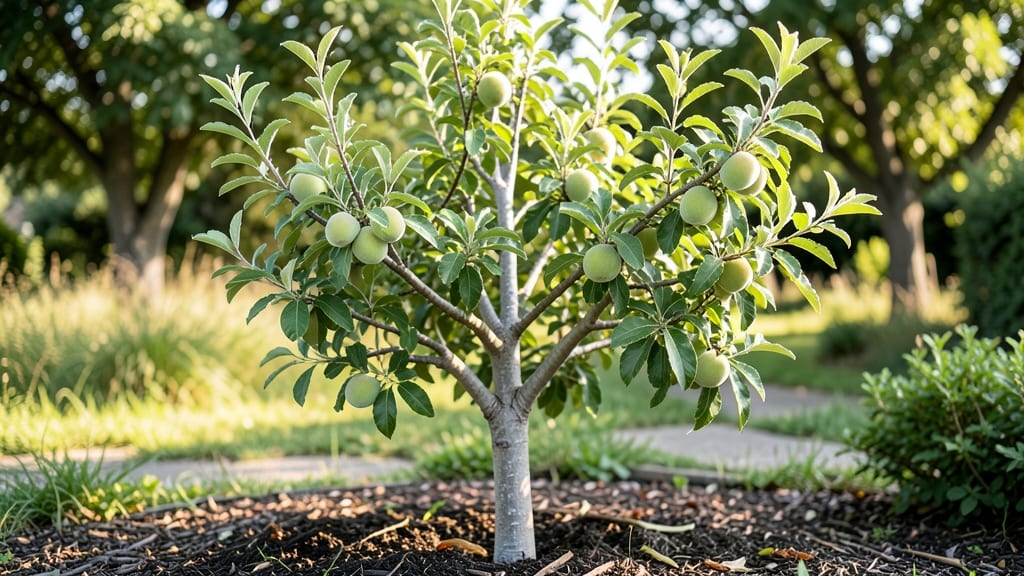
Your peach tree’s first fruit arrives sooner than you think—if you know the right tricks to coax it along 🍑. Waiting for those sweet, juicy peaches can feel like an eternity, especially when you’ve poured care into nurturing your tree.
But with the right timing, pruning, and a little extra attention, you can turn that two-year-old sapling into a fruiting powerhouse.
Most peach trees take 2 to 3 years to produce their first harvest, but the exact time depends on your variety, climate, and how well you’ve tended to it.
In USDA Zone 6, where many gardeners call home, early-bearing types like 'Sanguinelle' might surprise you with fruit as soon as the second summer, while standard varieties like 'Redhaven' play the long game.
Here’s the game-changer: the first year is all about setting the stage—pruning for airflow, feeding the roots just right, and keeping pests at bay. Skip these steps, and you might end up with a tree full of leaves but no peaches.
But get it right, and you’ll be picking your first harvest by July or August, just in time for summer treats.
In this guide, I’ll walk you through exactly when to expect that first fruit, the 5 key techniques to speed up the process, and how to avoid common mistakes that leave your tree barren. Let’s turn that wait into a countdown!
When peach trees produce first fruit: timeline by variety & climate
Peach trees are thrilling to grow, but the wait for that first harvest can feel endless. Most dwarf varieties produce fruit within 1-2 years, while standard trees may take 3-5 years.
The timeline depends on your climate zone, tree age, and even the specific variety you’ve planted. Understanding these factors helps you set realistic expectations and care for your tree properly.
In warmer climates (USDA Zones 8-10), peaches often ripen 2-4 weeks earlier than in cooler zones (USDA 5-7). For example, a 'Sanguinelle' peach tree in Zone 9 might bear fruit by late June, while the same variety in Zone 6 may not ripen until mid-August.
Soil temperature also plays a critical role—roots need to warm to 50°F (10°C) before active growth begins.
Early-bearing varieties like 'Redhaven' or 'Elberta' are designed to fruit sooner, often within 2 years for dwarf trees. Meanwhile, late-bearing types like 'Contender' may delay fruiting until year 3 or 4. Your tree’s size category also matters: dwarf trees (8-12 ft) mature faster than standard trees (15-25 ft), meaning earlier fruit production.
| Variety | Tree Type | First Fruit (Years) | Climate Zones | Harvest Window | Notes |
|---|---|---|---|---|---|
| Redhaven | Dwarf/Semi-Dwarf | 1-2 | USDA 5-9 | Late June-August | Early-bearing, red-blushed |
| Elberta | Standard/Semi-Dwarf | 2-3 | USDA 5-8 | July-September | Classic white-fleshed peach |
| Sanguinelle | Dwarf | 1-2 | USDA 7-10 | Late June-July | Blood-red flesh, early ripener |
| Contender | Standard | 3-4 | USDA 5-9 | August-September | Late-season, yellow-fleshed |
| Bonanza | Semi-Dwarf | 2-3 | USDA 6-10 | July-August | Freestone, reliable producer |
If you’re in a cooler climate (USDA Zones 5-6), your peach tree’s first fruit may appear 1-2 weeks later than in warmer zones. For instance, a 'Redhaven' in Zone 5 might fruit in early August instead of late July.
To encourage earlier fruiting, plant in a south-facing location with well-draining soil and mulch heavily to retain heat.
Age matters just as much as climate.
A 1-year-old dwarf peach tree planted in spring may produce a few small peaches by its second summer, while a 2-year-old tree could yield 50-100 peaches if cared for properly. Pruning young trees to open the canopy helps sunlight reach the center, where most fruit develops.
Avoid heavy pruning in the first year—focus on shaping rather than removing branches.
Soil temperature is another critical factor. Peach blossoms require consistent temperatures above 55°F (13°C) for successful pollination. In Zone 7 or colder, late frosts can damage blossoms, delaying or reducing fruit set.
Plant near a heat-retaining wall or use frost cloth during bloom time to protect flowers. Even in ideal conditions, some varieties like 'Elberta' are self-unfruitful, requiring a second tree for cross-pollination.
To maximize your first harvest, monitor your tree’s growth stages closely. In spring, apply a balanced fertilizer (10-10-10) when buds swell but before leaves emerge. This provides the phosphorus needed for root and flower development.
During summer, reduce watering slightly to stress the tree (slightly)—this can trigger earlier dormancy and prepare it for next year’s fruit production.
5 Proven techniques to speed up first fruit production in peach trees
Your peach tree’s first fruit can feel like a lifetime away—especially when you’re eager to taste homegrown sweetness. The good news? With the right techniques, you can accelerate fruiting by up to 2 years in some varieties.
The key lies in optimizing light exposure, nutrient balance, and watering consistency during critical growth stages. Let’s dive into the science-backed methods that actually work.
First, understand that peach trees typically take 2-4 years to bear fruit, depending on the variety and growing conditions. However, by focusing on pruning strategies, targeted fertilization, and pollination support, you can push that timeline forward.
These techniques don’t just speed up fruiting—they also ensure healthier fruit with fewer diseases and higher yields. Let’s explore the top 5 methods.
- 1 Prune for Light Penetration: Thin out dense branches to allow sunlight to reach inner growth. Focus on removing water sprouts and crossing branches—this boosts fruit set by 30% by improving air circulation and light exposure to flower buds.
- 2 Balance Nitrogen & Phosphorus: Use a 10-10-10 fertilizer in early spring to promote leaf growth, then switch to a higher-phosphorus blend (5-10-10) when buds form. Avoid excessive nitrogen—it leads to leafy growth over fruit, delaying harvests.
- 3 Deep Water During Bloom: Apply 15-20 gallons per tree weekly during flowering to support fruit set. Shallow watering stresses the tree and can cause fruit drop. Use drip irrigation to keep roots consistently moist without wetting foliage.
- 4 Hand-Pollinate Self-Unfruitful Varieties: If your peach tree isn’t self-pollinating (like 'Redhaven'), use a paintbrush to transfer pollen from one flower to another on cool, dry mornings. This mimics bee activity and ensures better fruit development in early seasons.
- 5 Avoid Over-Fertilizing Young Trees: Too much fertilizer (especially nitrogen) can stunt fruiting by encouraging excessive leaf growth. Test soil annually and limit fertilizer to 2 applications per year—spring and early summer—until the tree is 3 years old.
Start with pruning in late winter to open up the canopy, then follow up with a balanced fertilizer as buds swell. During bloom, consistent watering is non-negotiable—skipping this step can reduce fruit set by up to 50%.
If your tree is self-unfruitful, dedicate 10 minutes daily during bloom to hand-pollinate for maximum success.
Remember, patience is key—even with these techniques, some varieties may still take 2 years to bear fruit. However, by addressing these 5 critical factors, you’ll minimize delays and set your peach tree up for a lifelong bounty.
The first harvest might still feel like a reward, but it’ll be worth every effort! 🌱
Pro tip: Keep a gardening journal to track pruning dates, fertilizer types, and watering schedules. This helps you refine your approach year after year for even earlier and larger harvests. Happy growing! ✂️