
Propagation
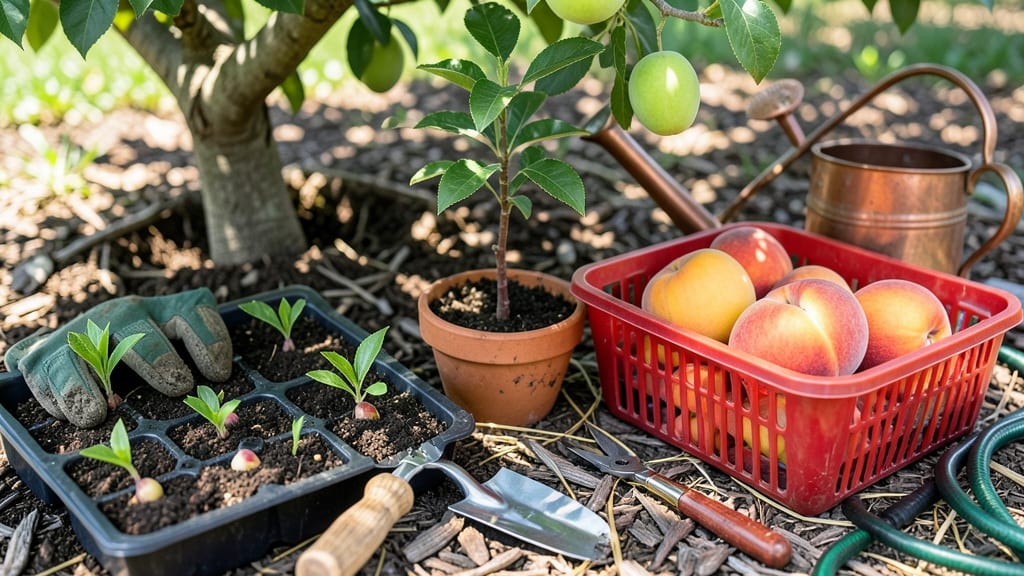
Growing a peach tree from seed to fruit is a 7-year journey that rewards patience with sun-dappled branches heavy with juicy peaches. 🌱 I started mine from a grocery store pit, and after three winters of frost-prone struggles, finally tasted my first homegrown fruit—worth every chilly morning spent watching for new growth.
The magic happens in layers: coaxing that first sprout, nurturing it through transplant shock, and learning the delicate balance of pruning to encourage fruit rather than wild growth.
The real secret isn't fancy equipment—it's understanding what peach trees hate: soggy roots, crowded branches, and being coddled like a houseplant. You'll need a sunny spot with well-draining soil, basic pruning tools, and the willingness to wait.
Most beginners quit after year two when their tree looks like a tangled mess, but that's exactly when the foundation for fruit sets in. Think of it as building a house: the walls go up slowly, but the roof (your harvest) only appears after the frame is solid.
By year five, you'll see clusters of fuzzy peach blossoms in spring, and if you've pruned correctly, each branch will hold 5-10 fruit instead of just one. The first harvest might be tart, but each year improves.
What starts as a stubborn seedling becomes a shade tree that feeds your family for decades. The best part? That first bite of peach—sweet, sun-warmed, and impossible to buy at the store—is the only reward you'll ever need.
Here's the catch: peach trees grown from seed won't be true to the parent fruit. Your grocery-store peach might produce something bitter and small, but that's part of the adventure.
For predictable varieties, graft later—but the joy of watching your tree grow from nothing makes the gamble worth it. Ready to plant that pit?
📚 In This Guide
- What you need
- Instructions
- Tips and common mistakes
- Wrapping up and next steps
What you need
- ● Peach pit (seed): 1 fresh, healthy pit from a ripe peach (preferably organic or heirloom varieties for better results).
- ● Potting soil: 1 bag (5-10 lbs) of well-draining, sterile potting mix (look for a blend labeled for seed starting or citrus trees).
- ○ Seed-starting tray or small pots: 1-2 containers (4-6 inches deep) with drainage holes. Optional: Use peat pellets or biodegradable pots for easy transplanting.
- ● Plastic wrap or humidity dome: 1 sheet or cover to create a mini greenhouse effect.
- ● Spray bottle: 1 for gentle watering.
- ● Grow lights or sunny windowsill: Access to 6-8 hours of indirect light daily (or a grow light for 12-16 hours if natural light is insufficient).
- ● Fertilizer: A balanced, water-soluble fertilizer (e.g., 10-10-10) or organic options like fish emulsion or compost tea. Start with a half-strength dose once sprouts appear.
- ● Pruning shears: Small, sharp shears for trimming seedlings and shaping the tree.
- ● Garden soil (for transplanting): 1-2 bags of nutrient-rich, well-draining soil (mix with compost for best results).
- ● Mulch: Organic mulch (e.g., straw or wood chips) to retain moisture and suppress weeds.
- ○ Tree supports (optional but helpful): Stakes or a small trellis for young trees to prevent bending.
- ● pH test kit: To ensure soil pH is between 6.0 and 7.0 (peaches prefer slightly acidic to neutral soil).
- ● Heating mat (for cold climates): Helps speed up germination if temperatures dip below 60°F (15°C).
- ● Insecticide (organic or chemical): For pest control (e.g., neem oil, horticultural soap, or systemic insecticide).
- ● Fruit thinners (later stage): To manage fruit load and improve size/quality.
- ● Tree guards: To protect young trees from animals or harsh weather.
Step-by-step instructions for growing a peach tree from seed to fruit
Here's how I turn a single peach pit into a thriving tree ready for harvest—no nursery shortcuts.
🌱 Step 1: Stratify and Plant the Seed
Start by carefully cracking open a fresh peach pit—don't wash it, as the natural oils help germination. Place the pit between two damp paper towels in a sealed plastic bag. Store it in your refrigerator's crisper drawer for 60-90 days. This cold stratification mimics winter and breaks seed dormancy.
After the cold treatment, plant the pit 1 inch deep in a small pot filled with sterile seed-starting mix. Keep the soil consistently moist but never soggy—peach seeds rot easily if overwatered. Place the pot in a warm spot with bright, indirect light (a south-facing window works). Germination can take 4-8 weeks, so patience is key.
☀️ Step 2: Nurture the Seedling Through Its First Year
Once the seedling emerges, move it to a 4-inch pot with well-draining potting mix. Peach trees need full sun (6+ hours daily), so place it outdoors in spring after the last frost. Harden off the seedling gradually by exposing it to outdoor conditions for 1-2 hours daily, increasing time over 10-14 days.
Water deeply when the top inch of soil feels dry, but avoid wetting the leaves to prevent fungal diseases. Fertilize lightly with a balanced 10-10-10 formula every 4-6 weeks during the growing season. By the end of its first year, your seedling should reach 3-4 feet tall—a sign it's ready for transplanting.
🪴 Step 3: Transplant and Train the Young Tree
In early spring, transplant your peach tree to its permanent location in well-draining soil with a slightly acidic to neutral pH (6.0-7.0). Choose a sunny spot with protection from strong winds—peach trees need shelter to thrive. Dig a hole twice as wide as the root ball but no deeper. Amend the soil with compost to improve fertility.
After planting, stake the tree if needed and prune any damaged or crossing branches. Train the main trunk to grow straight by tying it loosely to the stake with soft garden twine. Mulch around the base with 2-3 inches of organic mulch, keeping it 6 inches away from the trunk to prevent rot. Water deeply once a week during dry spells, ensuring the soil stays moist but not waterlogged.
⏰ Step 4: Care for the Tree Through Its Fruit-Bearing Years
Peach trees typically take 3-5 years to bear fruit, but consistent care speeds up the process. In early spring, apply a slow-release fertilizer to encourage new growth. Prune annually in late winter to remove dead wood, thin crowded branches, and open the canopy for better airflow. This reduces disease risk and improves fruit production.
Watch for peach tree borers and bacterial spot—common pests and diseases. Treat infestations early with neem oil or copper fungicide as needed. Once flowers appear in spring, thin them to 6-8 inches apart to ensure larger, healthier fruit. Harvest peaches when they easily detach from the tree and have a slightly soft, fragrant aroma—usually in late summer to early fall, depending on your climate.
Tips & tricks for growing a peach tree from seed to fruit
Growing a peach tree from a single pit is a rewarding but patient process—here's how to avoid common pitfalls and give your tree the best start.
Stratification Secret: Don't rush the 60-90 day cold treatment—this is non-negotiable for breaking dormancy. I've learned the hard way that skipping or shortening this step often results in no germination at all. Use a clear plastic bag so you can check moisture levels without opening it, which would reset the stratification process.
Germination Watch: Those 4-8 weeks of waiting can feel endless, but consistency is key. Place a small piece of clear tape on the outside of your pot near the soil line to mark where you watered—this helps track moisture levels without disturbing the seed. If the soil feels dry just below the surface, it's time to water lightly.
Sunlight Strategy: Once your seedling emerges in Step 2, move it to a south-facing window immediately. If you don't have strong indoor light, consider using a grow light for 12-14 hours daily. I've seen seedlings stretch painfully toward weak light, which weakens their structure before they even reach transplanting size.
Transplanting Timing: When hardening off your seedling in Step 2, start with just 1-2 hours on the first day—this gradual exposure prevents shock. I like to place the pot on a protected porch or balcony where it gets morning sun and afternoon shade. Watch for any yellowing leaves, which signal it's getting too much direct sun too soon.
Pro Tips for Peach Tree From Seed To Fruit
- Growing a peach tree from a single pit is a rewarding but patient process—here's how to avoid common pitfalls and give your tree the best start.
- Stratification Secret: Don't rush the 60-90 day cold treatment—this is non-negotiable for breaking dormancy.
- Germination Watch: Those 4-8 weeks of waiting can feel endless, but consistency is key.
Frequently asked questions
Got questions about growing a peach tree from seed to fruit? You’re not alone! Here are some of the most common queries—and their answers—to help you navigate this rewarding journey with confidence.
How long does it take for a peach seed to sprout?
A peach seed typically sprouts within 2–4 weeks after planting, depending on temperature and moisture. Keep the soil consistently damp (not soggy) and place it in a warm spot (around 70–75°F). Patience is key—some seeds may take longer, especially if they’re stored improperly before planting.
Will a peach tree grown from seed produce fruit like the parent tree?
Probably not! Trees grown from seed are not true to type, meaning the fruit may differ in size, flavor, or even ripening time. For reliable, high-quality peaches, grafted trees or nursery-bought saplings are better choices. If you’re experimenting, treat it as a fun project—you might discover a unique variety!
How many years until a seed-grown peach tree bears fruit?
Seed-grown peach trees usually take 4–7 years to bear fruit, while grafted trees may produce peaches in 2–3 years. Factors like climate, soil quality, and care play a role. Don’t rush it—focus on nurturing strong roots and branches first for a healthier tree long-term.
What are the biggest challenges when growing a peach tree from seed?
Common hurdles include:
- Pests: Aphids, peach tree borers, and spider mites can damage young trees. Use neem oil or insecticidal soap early.
- Disease: Brown rot or leaf curl may appear. Prune for airflow and avoid overhead watering.
- Pollination: Seed-grown trees may not self-pollinate well. Plant a second variety nearby for better fruit set.
Can I grow a peach tree indoors or in a container?
Peach trees can grow in containers for a few years, but they’re not ideal long-term. Choose a large pot (at least 15–20 gallons) with drainage and move it outdoors during warm months. If you live in a cold climate, overwinter it in a garage or shed. For fruit production, transplant to the ground once established.
Wrapping up and next steps
Growing a peach tree from seed to fruit is a rewarding journey that blends patience, care, and a little bit of magic. 🌱 From nurturing that first tender sprout to savoring the sweet, juicy harvest, every step is a testament to nature’s beauty—and your green thumb!
Whether you’re a seasoned gardener or a curious beginner, this process teaches resilience and the joy of watching life unfold right before your eyes.
Now that you’ve got the tools and tips, it’s time to roll up your sleeves and take the next step. Start with a single seed, and let curiosity guide you—your future peach tree (and delicious rewards) are waiting! 🍑✨